About Binsar - The Hidden Himalayan Sanctuary
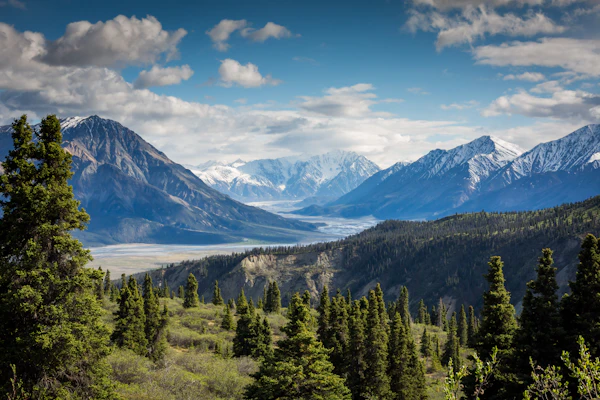
Perched at 2,420 meters in the Almora district of Uttarakhand, Binsar Wildlife Sanctuary is one of the Kumaon Himalayas' best-kept secrets. Unlike the bustling hill stations of Mussoorie or Nainital, Binsar offers an unspoiled wilderness experience where dense oak, rhododendron, and pine forests shelter over 200 bird species and a remarkable diversity of Himalayan wildlife. The sanctuary's crown jewel is Zero Point, which presents a 360-degree panoramic view of more than 300 snow-covered peaks stretching from Kedarnath in the west to Panchachuli in the east.
Binsar holds deep historical significance as the former summer capital of the Chand kings who ruled the Kumaon region from the 10th to 18th century. These warrior-kings chose this forested ridge for its commanding views and cool climate, establishing their summer court far above the heat of Almora. The ancient Bineshwar Mahadev Temple, dating to the 9th century, stands as a testament to the region's spiritual heritage, its stone carvings whispering tales of a bygone era.
Today, Binsar attracts birders, nature photographers, history enthusiasts, and those seeking a quiet retreat from the noise of modern life. With no commercial development inside the sanctuary, no honking traffic, and minimal light pollution, Binsar delivers an authentic Himalayan experience that is increasingly rare in today's world. The walks through its ancient forests, the dawn views from Zero Point, and the evening birdsong create memories that linger long after you leave.
360° Himalayan Panorama
300+ peaks visible from Zero Point
Birding Paradise
200+ species in oak-rhododendron forests
Ancient Heritage
9th century Bineshwar Mahadev Temple
Chand Kings Legacy
Former summer capital of Kumaon rulers
Zero Point - The 360° Himalayan Viewpoint
Zero Point is the undisputed highlight of Binsar and arguably one of the finest Himalayan viewpoints in all of Uttarakhand. Situated at the highest elevation of the sanctuary at 2,420 meters, this vantage point offers an extraordinary 360-degree sweep of the snow-capped Himalayan range. On clear mornings, the panorama stretches across nearly 300 kilometers from the Garhwal peaks in the west to the Kumaon-Nepal peaks in the east, painting an unforgettable wall of white against the sky.
Major Peaks Visible from Zero Point
Nanda Devi
7,816mDistance: ~80 km
India's second highest peak, dominates the eastern horizon from Zero Point
Kedarnath
6,968mDistance: ~120 km
Sacred peak housing one of the twelve Jyotirlingas of Lord Shiva
Chaukhamba
7,138mDistance: ~130 km
Four-pillared massif near Badrinath, prominent in the Garhwal range
Trishul
7,120mDistance: ~70 km
Trident-shaped peak named after Lord Shiva's weapon, first 7000m peak climbed
Other Visible Peaks
Wildlife & Birding in Binsar Sanctuary
Spread across 47.04 square kilometers of protected forest, Binsar Wildlife Sanctuary is a biodiversity hotspot in the Kumaon Himalayas. The sanctuary's varied habitat of broadleaf oak, rhododendron, pine, and deodar forests supports a rich assemblage of Himalayan fauna. While large mammals like the Himalayan Black Bear and leopard are elusive, the sanctuary is primarily celebrated as one of the finest birding destinations in the western Himalayas, with over 200 documented species attracting ornithologists and bird photographers from across the country.
Mammals
Himalayan Black Bear
VulnerableRare - early mornings near forest edges
Leopard
Near ThreatenedRare - nocturnal, pug marks often seen
Barking Deer (Muntjac)
Least ConcernCommon - forest clearings at dawn/dusk
Himalayan Goral
Near ThreatenedOccasional - rocky slopes
Red Fox
Least ConcernOccasional - open meadows
Indian Porcupine
Least ConcernRare - nocturnal, quills found on trails
Notable Birds (200+ species)
Khalij Pheasant
State Bird sightingCommon - forest floor near KMVN
Himalayan Woodpecker
ResidentCommon - oak & conifer forests
Lammergeier (Bearded Vulture)
Near ThreatenedOccasional - soaring over ridges
Koklass Pheasant
VulnerableUncommon - dense undergrowth at dawn
Forktail
ResidentCommon - near streams and waterfalls
Verditer Flycatcher
MigratoryCommon (Mar-Jun) - open canopy areas
Wildlife Viewing Tips
- Start walks before 7 AM for best mammal and bird sightings
- Maintain absolute silence on trails - noise scares away animals
- Hire a sanctuary guide (Rs. 300-500) who knows animal habitats and bird calls
- Carry binoculars and a telephoto lens for bird photography
- Wear muted, earth-toned clothing to blend with the forest
- March to June is peak birding season when migratory species arrive
Nature Trails & Walks in Binsar
Binsar offers some of the most tranquil walking experiences in the Himalayas. Unlike strenuous high-altitude treks, the trails here are gentle, well-shaded, and wander through ancient forests alive with birdsong. Whether you seek the panoramic reward of Zero Point or a meditative stroll through dappled oak groves, Binsar's paths invite you to slow down and reconnect with the natural world.
Zero Point Trek
1-2 hours one way | 2 km from KMVN
Max: 2,420mThe crown jewel of Binsar. A gentle walk through oak and rhododendron forest leads to the highest point in the sanctuary, offering an unmatched 360-degree view of the Himalayan range from Kedarnath to Panchachuli.
Start Point: KMVN Tourist Rest House | Best Time: Early morning (sunrise)
Binsar Nature Trail (Circular)
2-3 hours | 5 km loop
Max: 2,400mA well-marked circular trail through the heart of the sanctuary passing through towering oak, deodar, and rhododendron forests. Ideal for birding enthusiasts and nature photographers seeking the tranquil essence of the Kumaon hills.
Start Point: Forest Rest House | Best Time: Morning (birding) or afternoon
Binsar to Artola Bend
3-4 hours | 8 km one way
Max: 2,100mA scenic downhill trail descending from Binsar through traditional Kumaoni villages to the famous Artola Bend, a hairpin turn offering sweeping views of the snow-capped Himalayan range and the terraced fields below.
Start Point: Binsar Sanctuary Gate | Best Time: October - March
Pariyadeva Pashan Trek
1-2 hours | 2 km from KMVN
Max: 2,350mA short walk through dense forest to mysterious rock formations with historical and archaeological significance. These large boulders scattered across a clearing are believed to be remnants of an ancient temple complex or a prehistoric site.
Start Point: KMVN Tourist Rest House | Best Time: Year-round
Bineshwar Mahadev Temple - 9th Century Heritage
The Bineshwar Mahadev Temple is the spiritual heart of Binsar, an ancient Shiva shrine that predates even the Chand dynasty's association with this region. Dating to the 9th-10th century, this stone temple was built in the traditional Kumaoni Nagara architectural style and is believed to have given Binsar its very name - "Bineshwar" meaning "Lord of the Forest."
Temple Highlights
Deity: Lord Shiva (Bineshwar)
Style: Kumaoni Nagara Architecture
Period: 9th - 10th Century
Annual Fair: Maha Shivaratri
Setting: Dense forest clearing
Historical Significance
Dynasty: Predates Chand Kings
Significance: Gave Binsar its name
Material: Local stone with carvings
Access: Forest trail from KMVN
Timings: 6:00 AM - 6:00 PM
Kumaoni Cuisine - What to Eat in Binsar
The cuisine of the Kumaon Himalayas is hearty, warming, and deeply rooted in the region's agricultural traditions. While dining options inside Binsar sanctuary are limited to hotel kitchens, the food served reflects authentic Kumaoni culinary heritage. The best place to sample the full range of local specialties is in Almora, where traditional sweet shops and small eateries have perfected recipes passed down through generations.
Aloo Ke Gutke
Main CourseBoiled potatoes tempered with local spices and jakhiya (wild mustard seeds). A quintessential Kumaoni comfort food served at every meal.
Bhatt Ki Churkani
Main CourseA rich, earthy curry made from black soybeans (bhatt) slow-cooked with ground rice paste. A signature protein-rich dish of the Kumaon region.
Kafuli
Main CourseA thick spinach and fenugreek preparation cooked with rice paste, resulting in a creamy, nutritious green curry unique to Garhwal-Kumaon.
Bal Mithai
SweetAlmora's most famous sweet - chocolate-brown fudge coated with white sugar balls (kheel). Made from roasted khoya, it is a must-buy souvenir.
Singori
SweetA delicate sweet made from khoya (reduced milk) wrapped in maalu (a local green leaf), giving it a unique aroma and green tint.
Dubuk
Main CourseThick lentil preparation made from a mix of Kumaoni pulses, slow-cooked without water until incredibly dense and flavorful.
Food Tips for Binsar
- Buy Bal Mithai and Singori from Almora's Lala Bazaar before heading to Binsar
- KMVN Rest House serves set meals (thali) - pre-order to avoid delays
- Mary Budden Estate offers the best dining experience with organic Kumaoni cuisine
- Carry packaged snacks and water bottles as there are no shops inside the sanctuary
- Try fresh Rhododendron juice (Buransh) available at local stalls in spring season
- Almora's Glory Restaurant and Dolma's are popular for local food
Places to Visit in & Around Binsar
Binsar and the surrounding Kumaon region offer a rich tapestry of natural wonders, ancient temples, colonial heritage, and cultural experiences. From the sanctuary's own treasures to fascinating excursions within a few hours' drive, here are the must-visit spots to include in your Binsar itinerary.
 Must Visit
Zero Point
Viewpoint2 km trek from KMVN
The highest point of Binsar Wildlife Sanctuary offering an unparalleled 360-degree panorama of over 300 Himalayan peaks including Kedarnath, Chaukhamba, Trishul, Nanda Devi, and Panchachuli.
 Must Visit
Bineshwar Mahadev Temple
Ancient Temple3 km from KMVN
A 9th-10th century Shiva temple built in Kumaoni Nagara style with intricate stone carvings. Believed to have given Binsar its name - Bineshwar meaning Lord of the Forest.
Must VisitKMVN Tourist Rest House
Heritage Building & ViewpointInside Sanctuary
The iconic government rest house sits at the heart of the sanctuary. Its lawns offer excellent Himalayan views, and the surrounding forest is prime birding territory with Khalij Pheasants often seen nearby.
Pariyadeva Pashan
Rock Formations2 km from KMVN
Mysterious large rock formations in a forest clearing, believed to be remnants of an ancient temple or prehistoric site. The site has archaeological significance and offers a quiet, contemplative atmosphere.
Must VisitGolu Devta Temple, Chitai
Religious Site25 km from Binsar
Famous temple of the Kumaoni deity of justice, known for thousands of brass bells and written petitions hung by devotees. A unique cultural and spiritual experience found nowhere else in India.
Kasar Devi
Temple & Geomagnetic Zone35 km from Binsar
A hilltop village with an ancient temple and a unique NASA-recognized geomagnetic field similar to Machu Picchu. Former hippie trail destination with stunning sunset views of the Himalayas.
Almora Town & Bazaar
Heritage Town30 km from Binsar
The cultural capital of Kumaon with a charming heritage bazaar, Nanda Devi Temple, and traditional Kumaoni architecture. Famous for Bal Mithai sweet, copper crafts, and panoramic ridge-top setting.
Jageshwar Temples
ASI Heritage Complex55 km from Binsar
A cluster of 124 ancient stone temples (7th-14th century) dedicated to Lord Shiva, set in a mystical deodar valley. One of the most significant archaeological sites in Uttarakhand and an ASI-protected monument.
Deer Park & Museum
Nature EducationNear Sanctuary Gate
A small deer park near the Binsar sanctuary entrance where spotted deer and barking deer can be observed at close range. Includes a small museum on the sanctuary's flora, fauna, and history.
Khali Estate
Colonial Heritage5 km from KMVN
A beautifully preserved British-era estate surrounded by pine and oak forest. Now a heritage resort, the property grounds are open for nature walks with magnificent Himalayan views and colonial charm.
Binsar Weather & Best Time to Visit
Binsar enjoys a temperate Himalayan climate with distinct seasons. The sanctuary is pleasant from March to June when rhododendrons bloom and birdlife peaks, and again from October to November when the air is crystal clear and Himalayan views are at their sharpest. Monsoon months bring heavy rain and leeches, while winter offers solitude but bone-chilling cold.
| Month | Min Temp | Max Temp | Snowfall | Condition | Recommended |
|---|---|---|---|---|---|
| January | -2°C | 8°C | Occasional | Cold Winter - Misty Mornings | No |
| February | 0°C | 10°C | Rare | Late Winter - Clear Spells | No |
| March | 4°C | 16°C | None | Early Spring - Rhododendron Bloom | Yes |
| April | 8°C | 21°C | None | Spring - Wildflowers & Birding | Yes |
| May | 12°C | 25°C | None | Pleasant Summer - Peak Season | Yes |
| June | 14°C | 27°C | None | Pre-Monsoon - Warm Days | Yes |
| July | 15°C | 22°C | None | Monsoon - Heavy Rainfall | No |
| August | 15°C | 22°C | None | Monsoon - Lush Greenery | No |
| September | 12°C | 21°C | None | Post Monsoon - Clearing Skies | No |
| October | 8°C | 20°C | None | Autumn - Crystal Clear Views | Yes |
| November | 3°C | 15°C | None | Early Winter - Best Visibility | Yes |
| December | -1°C | 10°C | Occasional | Winter - Quiet & Serene | No |
Spring: March - June
Best for birding, rhododendron blooms, wildflowers, and pleasant weather. Temperature ranges from 4°C to 27°C. Peak tourist season with the widest range of activities.
Autumn: October - November
Crystal-clear Himalayan views, excellent photography conditions, and comfortable daytime temperatures. Best visibility for Zero Point panorama. Fewer crowds than spring.
Monsoon: July - September
Heavy rainfall, leeches on trails, poor visibility, and landslide risks on approach roads. Sanctuary is open but not recommended.
How to Reach Binsar
Binsar is located in the Kumaon Hills, accessible via the heritage town of Almora. While not as well-connected as major hill stations, the journey through the Kumaon countryside is scenic and rewarding in itself.
By Air
Airport: Pantnagar Airport
Distance: 152 km from Binsar
Duration: 5-6 hours by road
Airlines: IndiGo, Air India Regional
By Train
Station: Kathgodam Railway Station
Distance: 117 km from Binsar
Duration: 4-5 hours by road
Trains: Ranikhet Express, Uttarakhand Sampark Kranti, Kathgodam Shatabdi
By Road - Route Options
From Delhi
395 km9-10 hoursRoute: Moradabad - Rampur - Nainital Road - Almora - Binsar
From Kathgodam
117 km4-5 hoursRoute: Bhimtal - Bhowali - Almora - Binsar
From Nainital
95 km3-4 hoursRoute: Bhowali - Almora - Binsar
From Almora
30 km1-1.5 hoursRoute: Takula - Ayarpani - Binsar Gate
Almora to Binsar
Shared Jeep
Duration: 1-1.5 hours
Available from Almora bus stand
Private Taxi
Duration: 1 hour
Hired from Almora; needed inside sanctuary
Where to Stay in Binsar
Accommodation in Binsar ranges from the iconic KMVN government rest house inside the sanctuary to exquisite heritage boutique stays like Mary Budden Estate. Staying inside the sanctuary is highly recommended for the full Binsar experience - the evening forest sounds, starlit skies, and pre-dawn walks to Zero Point are not possible with a day visit from Almora.
Government (KMVN)
KMVN Tourist Rest House, Binsar
GovernmentKMVN Tourist Rest House, Almora
GovernmentPremium Resorts & Heritage Stays
Mary Budden Estate
Heritage BoutiqueThe Grand Oak Manor
Luxury LodgeBinsar Forest Retreat
Eco ResortAlmora (Base Town)
Hotel Shikhar
PrivateKalmatia Sangam Himalaya Resort
HeritageHotel Kailas
BudgetAccommodation Tips
- Mary Budden Estate is Binsar's premier stay - book 2-3 months in advance for peak season
- KMVN Rest House offers the most authentic sanctuary experience at budget-friendly rates
- Properties inside the sanctuary have limited electricity hours and no Wi-Fi (or slow)
- Carry warm sleeping layers even in summer as night temperatures drop significantly
- Almora offers more options but you miss the evening and dawn sanctuary experience
- Book KMVN online at kmvn.gov.in or call their Almora office directly
Binsar Tour Packages 2026
Choose from our carefully curated Binsar packages designed for wildlife enthusiasts, heritage lovers, photographers, and those seeking peaceful Himalayan retreats. All packages include expert local guidance and seamless arrangements.
 Bestseller
Binsar Wildlife & Birding Escape
KMVN Accommodation | All Meals | Nature Guide | Sanctuary Entry | Transport from Almora
 Popular
Kumaon Heritage & Binsar Tour
Boutique Stay | Breakfast & Dinner | Private Car | Guide | All Entry Fees
LuxuryLuxury Binsar Retreat
Heritage Accommodation | All Gourmet Meals | Private Guide | Transfers | All Activities
UniqueBinsar Photography Workshop
Accommodation | All Meals | Photography Mentor | Transport | Sanctuary Permits
Quick TripBinsar Weekend Getaway
Resort Stay | Breakfast & Dinner | Transport from Kathgodam | Guide
Binsar Photo Gallery
Zero Point Himalayan PanoramaSnow-capped Peaks from Binsar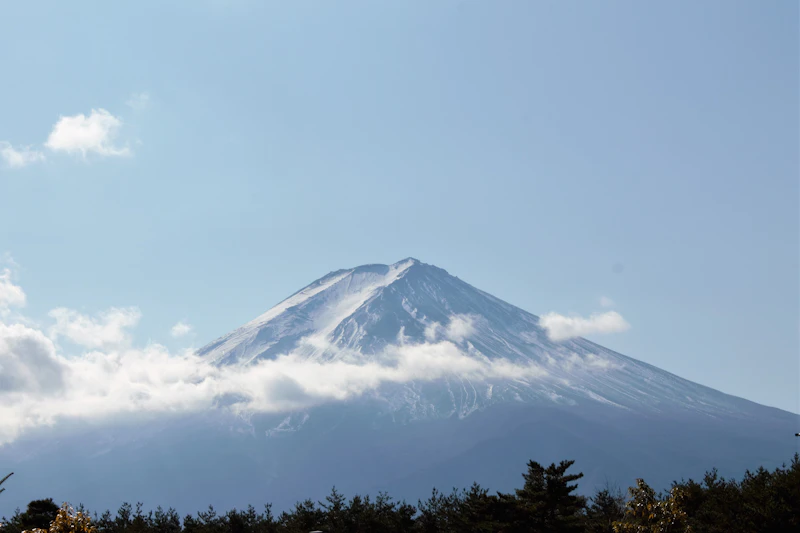 Bineshwar Mahadev TempleOak & Rhododendron ForestSunrise from Zero PointBirding in Binsar Sanctuary
Frequently Asked Questions
The best time to visit Binsar is March to June for pleasant weather, blooming rhododendrons, and excellent birding, and October to November for crystal-clear Himalayan views and autumn colors. March-April is particularly special when the sanctuary bursts with red and pink rhododendron blossoms. Winter (December-February) offers solitude and occasional snowfall but can be very cold. The monsoon months of July-September bring heavy rainfall and leeches on trails.
Binsar is approximately 395 km from Delhi (9-10 hours drive). The route follows Delhi - Moradabad - Rampur - Haldwani - Kathgodam - Almora - Binsar. You can also take an overnight train from Delhi to Kathgodam (6-7 hours), then hire a taxi for the remaining 117 km (4-5 hours). Pantnagar Airport (152 km away) has limited flights from Delhi. Self-drive is comfortable on NH9 until Almora; the last 30 km to Binsar is a narrow mountain road.
Zero Point is the highest point of Binsar Wildlife Sanctuary at 2,420 meters and offers a breathtaking 360-degree panoramic view of over 300 Himalayan peaks. On clear days, you can see Kedarnath (6,968m), Chaukhamba (7,138m), Trishul (7,120m), Nanda Devi (7,816m), Nanda Kot (6,861m), and Panchachuli (6,904m) among others. The panorama stretches from the Garhwal Himalayas in the west to the Kumaon Himalayas and Nepal peaks in the east. Sunrise from Zero Point is considered one of the finest Himalayan viewpoints in all of Uttarakhand.
Yes, Binsar is an excellent family destination. The trails are gentle and well-marked, making them suitable for children above 5 years. The KMVN Tourist Rest House and several resorts are family-friendly with basic amenities. Children enjoy spotting birds, deer, and monkeys along the trails. The sanctuary environment is peaceful and safe. However, there are no amusement parks or commercial entertainment - the appeal is purely nature-based. Carry sufficient warm clothing for children in all seasons as evenings can be chilly at 2,400 meters.
Binsar Wildlife Sanctuary is home to over 200 documented bird species, making it one of the premier birding destinations in the Kumaon Himalayas. Notable species include Khalij Pheasant, Koklass Pheasant, Himalayan Woodpecker, Lammergeier (Bearded Vulture), Forktail, various flycatchers, warblers, tits, and thrushes. The best birding months are March to June when migratory species join the resident population. Early morning hours (6-8 AM) near the KMVN Rest House and along the nature trail offer the highest species count. Hiring a local birding guide significantly enhances the experience.
Binsar has a rich historical legacy as the summer capital of the Chand dynasty kings who ruled the Kumaon region from the 10th to 18th century. The Chand rajas established their summer court here to escape the heat of their capital at Champawat and later Almora. The Bineshwar Mahadev Temple, dating back to the 9th-10th century, predates even the Chand period and is dedicated to Lord Shiva. After British colonial rule, Binsar became a favored retreat for British officers. In 1988, the area was designated as the Binsar Wildlife Sanctuary to protect its rich biodiversity.
Binsar Wildlife Sanctuary harbors diverse Himalayan fauna. Mammals include the Himalayan Black Bear, leopard, barking deer (muntjac), Himalayan goral, red fox, Indian porcupine, flying squirrel, and langur. The leopard and bear are elusive and rarely seen, but deer and goral sightings are common. The sanctuary is more celebrated for its birdlife (200+ species) than large mammals. Butterflies are abundant in spring and summer. For the best wildlife sighting chances, take early morning or late evening walks with a sanctuary guide and maintain silence on the trails.
Yes, all visitors need an entry permit to enter Binsar Wildlife Sanctuary. The entry fee is approximately Rs. 150 for Indian nationals and Rs. 600 for foreign nationals per day. Vehicles are charged separately (Rs. 250 for small cars). Permits are available at the sanctuary gate at Ayarpani, about 5 km before the KMVN Rest House. The sanctuary is open from 6:00 AM to 6:00 PM. If staying at KMVN or any property inside the sanctuary, your entry is typically arranged by the accommodation provider. Carrying a valid photo ID is mandatory.
The Bineshwar Mahadev Temple is an ancient Shiva temple dating back to the 9th-10th century, located about 3 km from the KMVN Tourist Rest House inside the Binsar sanctuary. Built in the traditional Kumaoni Nagara style of architecture, the temple features intricate stone carvings and is dedicated to Lord Shiva (Bineshwar - Lord of the Forest). The temple is believed to have given Binsar its name. It is a peaceful pilgrimage spot set amidst dense forest, attracting both devotees and architecture enthusiasts. A Shivaratri fair is held here annually.
Kasar Devi is a small hilltop village about 35 km from Binsar (near Almora) famous for its ancient Kasar Devi Temple and a unique geomagnetic field similar to Machu Picchu and Stonehenge. NASA has reportedly identified this zone as having abnormal geomagnetic activity. In the 1960s-70s, it became a hippie haven visited by Timothy Leary, Bob Dylan, and Cat Stevens, earning it the nickname "Crank's Ridge." Today it attracts spiritual seekers, artists, and travelers seeking tranquility. The sunset views of the Himalayas from Kasar Devi ridge are stunning. It makes an excellent half-day excursion from Binsar.
Mobile connectivity in Binsar is limited. BSNL has the most reliable (though patchy) signal inside the sanctuary. Jio and Airtel may work at certain elevated spots but are generally unreliable inside the forest. Most premium properties like Mary Budden Estate offer Wi-Fi (often slow or intermittent). The KMVN Rest House has no Wi-Fi. Almora (30 km away) has full network coverage. Plan for limited connectivity - Binsar is best enjoyed as a digital detox destination. Download maps and content beforehand, and inform family about limited contact availability.
Dining options in Binsar are limited to hotel and resort restaurants since there are no standalone restaurants inside the sanctuary. The KMVN Rest House serves basic North Indian meals (dal, rice, roti, sabzi) at reasonable prices. Premium stays like Mary Budden Estate offer gourmet Kumaoni cuisine with organic ingredients. Traditional Kumaoni dishes to try include Aloo Ke Gutke (spiced potatoes), Bhatt Ki Churkani (black soybean curry), Bal Mithai (local sweet), Singori (sweet wrapped in maalu leaf), and Kafuli (spinach preparation). Stock up on snacks from Almora before entering the sanctuary.
Essential packing for Binsar: Clothing - layered clothing for all seasons (mornings and evenings are cool even in summer), waterproof jacket, comfortable trekking shoes with grip, warm fleece/jacket (essential Oct-Mar), woolen cap and gloves (winter). Accessories - binoculars (essential for birding), camera with telephoto lens, sunscreen, insect repellent (summer months), torch/headlamp, reusable water bottle. Medicines - basic first aid, personal medications, anti-leech salt (monsoon visits). Miscellaneous - power bank (limited charging options in KMVN), downloaded bird identification guide, cash (no ATMs in Binsar).
Golu Devta (also called Golu Dev or Golu Devata) is one of the most revered deities in the Kumaon region, considered a dispenser of justice. The main Golu Devta Temple at Chitai (about 25 km from Binsar, 8 km from Almora) is famous for thousands of bells tied by devotees and written petitions (applications) requesting justice. Devotees write their wishes on stamp paper and hang them at the temple, believing Golu Devta fulfills genuine appeals. The temple is surrounded by dense pine forest and offers a fascinating cultural experience. Another important Golu temple is at Ghorakhal near Nainital.
A day trip from Almora (30 km, 1-1.5 hours) is feasible and common - you can visit Zero Point, the Bineshwar Mahadev Temple, and do a short nature walk within 5-6 hours. From Nainital (95 km, 3-4 hours one way), a day trip is rushed and not recommended; the long drive leaves very little time for exploration. We strongly recommend spending at least one night inside the sanctuary to experience the sunrise from Zero Point and the evening forest ambiance. The real magic of Binsar unfolds in the quiet of early morning and late evening hours.
Binsar stands apart from commercialized hill stations like Mussoorie, Nainital, or Shimla in several key ways: 1) It is a protected wildlife sanctuary with zero commercial development inside, 2) No honking vehicles, traffic jams, or tourist crowds, 3) Unmatched 360-degree Himalayan panorama of 300+ peaks from a single viewpoint, 4) One of the best birding destinations in the western Himalayas (200+ species), 5) Rich historical legacy as the Chand kings' summer capital, 6) Dense virgin oak and rhododendron forests, 7) Authentic Kumaoni cultural experience. Binsar is ideal for those seeking nature, silence, and mountains without the typical hill station chaos.
There are NO ATMs, banks, or money exchange facilities in Binsar or anywhere inside the sanctuary. The nearest ATMs are in Almora (30 km away), which has multiple bank branches and ATMs (SBI, PNB, Uttarakhand Gramin Bank). Some premium resorts may accept credit/debit cards, but don't rely on it as POS machines may not work due to poor connectivity. The KMVN Rest House operates on cash basis. We recommend carrying Rs. 5,000-10,000 in cash per person for a 2-3 day trip. Get cash from Kathgodam or Almora before heading to Binsar.
Jageshwar is one of the most important Hindu pilgrimage sites in Uttarakhand, located about 55 km from Binsar (2-2.5 hours drive). It is a cluster of 124 ancient stone temples dating from the 7th to 14th century, dedicated primarily to Lord Shiva. Set in a valley surrounded by towering deodar trees along a sacred stream, Jageshwar is an ASI-protected monument and one of the twelve Jyotirlingas according to some traditions. The architectural beauty and spiritual ambiance are exceptional. It makes an excellent full-day excursion from Binsar, often combined with a visit to the nearby Vriddha Jageshwar temple.