About Chakrata - Uttarakhand's Hidden Gem
Perched at 2,118 meters in the Dehradun district of Uttarakhand, Chakrata is a military cantonment town that stands as one of India's last unspoiled hill stations. While crowds flock to Mussoorie and Shimla, Chakrata remains a closely guarded secret among those who seek the Himalayas in their truest form - dense ancient forests, thundering waterfalls, limestone caves, and a tribal culture that has survived for centuries untouched by mainstream tourism.
Established as a British cantonment in the 19th century, Chakrata owes its pristine character to the Indian Army's continued presence, which has shielded it from the unchecked commercialization that has transformed other hill stations. There are no bustling malls, no traffic-choked roads, no neon-lit tourist markets. Instead, you find towering deodar forests that are among the densest in the Himalayas, a 312-foot waterfall that ranks among India's highest, and the warm hospitality of the Jaunsari people whose customs date back to the age of the Mahabharata.
The region around Chakrata - known as Jaunsar-Bawar - is the ancestral homeland of the Jaunsari tribe, whose unique culture, architecture, festivals, and cuisine make this destination as rich in heritage as it is in natural beauty. From the ancient 250-year-old deodar forests of Kanasar to the unexplored limestone caverns of Budher, from the panoramic ridgeline of Deoban at 3,200 meters to the emerging ski slopes of Mundali, Chakrata offers experiences that no other hill station in northern India can match.
Tiger Falls (312 ft)
One of India's highest direct waterfalls
Deoban Forest (3,200m)
Densest deodar forest in the Himalayas
Jaunsari Tribal Heritage
Ancient Pandava-lineage tribal culture
Least Commercialized
Military cantonment preserves pristine beauty
Tiger Falls - Chakrata's Crown Jewel
Tiger Falls is the undisputed highlight of any Chakrata visit. Plunging 312 feet (95 meters) from a rocky cliff face into a crystal-clear natural pool, this is one of the highest direct waterfalls in India. The falls are named not after the animal but after a British-era officer who discovered this hidden cascade deep within the forests.
Tiger Falls Trek Details
Trek Information
Difficulty: Easy to Moderate
Trail Type: Downhill (steep return)
Best Months: March - June, September - October
Swimming: Natural pool at base - suitable for dipping
What to Carry
Footwear: Sturdy trekking shoes (trail is rocky)
Water: At least 1 liter per person
Clothes: Quick-dry clothes if planning to swim
Other: Towel, camera in waterproof bag, light snacks
Tiger Falls Tips
- Start early in the morning to avoid afternoon heat on the return climb
- The trail is downhill going - the return uphill climb is strenuous, so pace yourself
- The waterfall is most spectacular during September-October after the monsoon
- Do not stand directly under the falls - the force of water is extremely powerful
- Carry your own water and snacks as there are no shops on the trail
- Leeches can be present during monsoon months - carry salt or tobacco
Deoban & Panoramic Viewpoints
Chakrata is blessed with some of the most spectacular viewpoints in the lower Himalayas. From the ancient deodar cathedral of Deoban to the sunset paradise of Chilmiri Neck, these vantage points offer vistas that rival destinations at twice the altitude.
Deoban
3,200mDistance: 16 km from Chakrata
Dense ancient deodar forest at 3,200 meters with views of Swargarohini, Bandarpunch, and Black Peak. One of the thickest deodar forests in India.
Chilmiri Neck
2,200mDistance: 3 km from Chakrata
The highest point near Chakrata town, offering spectacular 360-degree sunset views over the Yamuna valley and distant Himalayan ranges.
Moila Top
2,750mDistance: 28 km from Chakrata
Panoramic viewpoint with vistas of snow-clad Himalayan peaks including Swargarohini and Bandarpunch. Dense forest trails lead to the summit.
Mundali
2,800mDistance: 35 km from Chakrata
High-altitude meadow that transforms into a skiing destination in winter. Surrounded by pristine oak and deodar forests with panoramic mountain views.
Viewpoint Tips
- Deoban road is rough - a 4x4 vehicle or trek is strongly recommended
- Chilmiri Neck is best visited 1 hour before sunset for the golden light
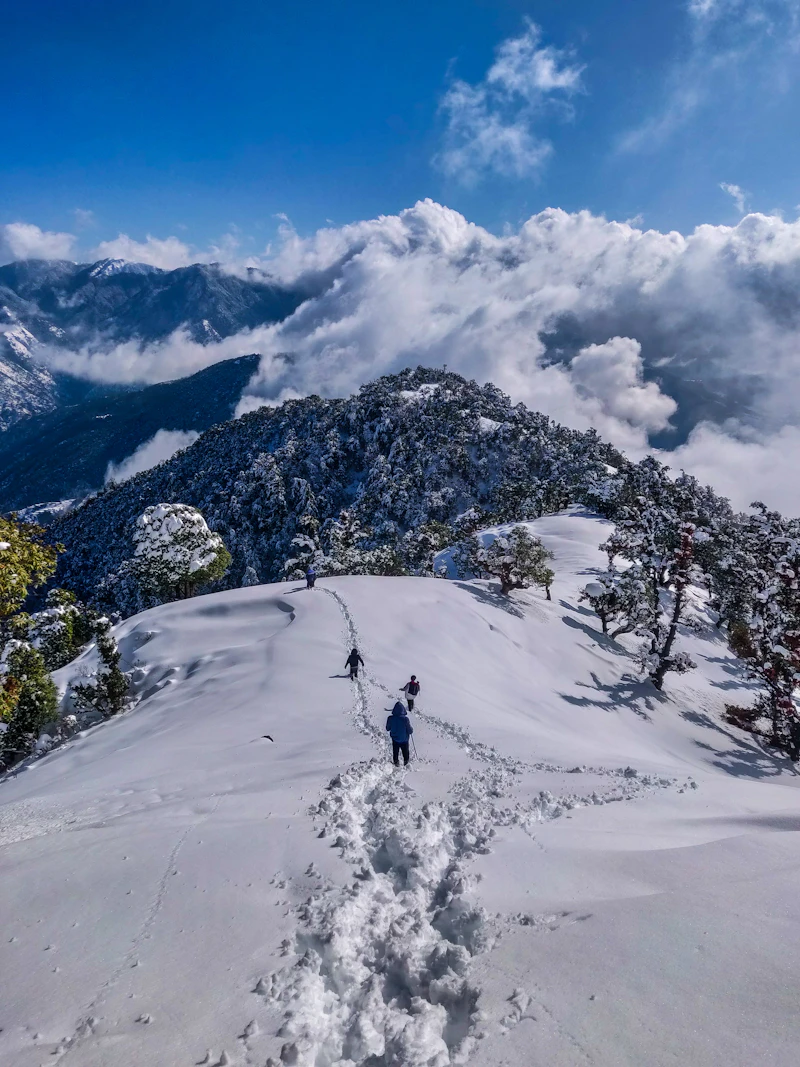
- Deoban offers the best Himalayan views in winter when skies are crystal clear
- Moila Top trek is best combined with a Kanasar forest visit as a 2-day trip
- Carry binoculars for spotting distant Himalayan peaks from viewpoints
Jaunsari Tribal Culture & Heritage
The Jaunsar-Bawar region around Chakrata is home to the Jaunsari tribe, whose traditions are believed to trace back to the Pandavas of the Mahabharata. Their culture is remarkably distinct from mainstream Garhwali and Kumaoni traditions, with unique festivals, architecture, dance forms, and culinary practices that have survived largely intact for centuries.
Bissu Fair
Mid-April (Baisakhi)
The biggest Jaunsari festival celebrating the harvest season with traditional dance, music, and wrestling competitions. Villages compete in folk performances, and the celebrations last for several days.
Magh Mela
January (Makar Sankranti)
A winter gathering where Jaunsari communities come together for bonfires, folk songs, and communal feasting. Traditional delicacies like siddu and aktori are prepared in large quantities.
Jaunsari Architecture
Year-round
Distinctive multi-story wooden houses with slate roofs, intricately carved wooden balconies, and stone foundations. The construction technique is earthquake-resistant, perfected over centuries.
Harul Dance
During festivals & weddings
The signature Jaunsari folk dance performed in circles with rhythmic steps and traditional instruments like dhol, damau, and ransingha. Men and women dance together in celebration.
Experiencing Jaunsari Culture
- Stay in a Jaunsari homestay for authentic food, stories, and cultural immersion
- Visit during Bissu Fair (mid-April) for the grandest cultural celebrations
- Ask permission before photographing people or their homes - most are happy to oblige
- The Jaunsari people are known for generous hospitality - accept food or chai when offered
- Look for traditional wooden houses with carved balconies - some are centuries old
- Local artisans make beautiful woolen shawls and wooden handicrafts as souvenirs
Trekking & Adventure in Chakrata
Chakrata is an emerging adventure destination with trails that range from easy forest walks to challenging multi-day treks. The relatively unexplored nature of these trails means you are likely to have them entirely to yourself - a luxury that established trekking destinations can no longer offer.
Tiger Falls Trek
3-4 Hours (Round Trip) | 5 km one way
Max: 1,600mA gentle downhill trek through mixed oak and deodar forests leading to one of India's highest direct waterfalls. The natural pool at the base is ideal for a refreshing dip.
Start Point: Chakrata (Tiger Falls trailhead) | Best Time: March - June, September - November
Deoban Trek
1 Day (5-6 hours) | 8 km from road end
Max: 3,200mA trek through one of the densest deodar forests in the Indian Himalayas, culminating at a viewpoint with breathtaking views of Swargarohini, Bandarpunch, and the greater Himalayan range.
Start Point: Deoban Forest Rest House | Best Time: April - June, September - November
Budher Caves Exploration
4-5 Hours | 3 km from Budher village
Max: 2,300mAn intriguing trail leading to ancient limestone caves with natural stalactite and stalagmite formations. The caves remain largely unexplored and offer a sense of true wilderness adventure.
Start Point: Budher Village (30 km from Chakrata) | Best Time: March - November
Kanasar to Moila Top Trek
2 Days | 18 km one way
Max: 2,750mA rewarding multi-day trek starting from the magnificent Kanasar deodar plantation, passing through pristine forests and high meadows before reaching the summit of Moila Top for panoramic Himalayan views.
Start Point: Kanasar Forest (26 km from Chakrata) | Best Time: April - June, October - November
Chakrata Food Guide - Jaunsari Cuisine
The culinary traditions of Chakrata are deeply rooted in Jaunsari tribal cuisine, featuring ingredients native to the Himalayan foothills. The food here is hearty, flavourful, and unlike anything you will find in other parts of Uttarakhand. Seeking out these local delicacies through homestays and small village eateries is one of the most rewarding aspects of a Chakrata visit.
Must-Try Jaunsari Dishes
Siddu: Steamed wheat bread stuffed with poppy seeds or walnuts, served drenched in fresh ghee. The quintessential Jaunsari comfort food.
Aktori: Sweet buckwheat pancake prepared during festivals and celebrations. Crispy on the outside, soft within.
Jhangora Ki Kheer: Creamy dessert made from barnyard millet slow-cooked with milk and sugar. A nutritious mountain delicacy.
Baadi: Thick, protein-rich lentil preparation cooked with local herbs and served with steamed rice.
More Local Specialties
Kafuli: A thick, creamy spinach curry made with fenugreek and churned with a special wooden ladle called a mathan.
Chainsoo: Slow-roasted black gram dal cooked with local spices until rich and aromatic. A comfort food staple.
Jaunsari Mutton: Goat meat cooked with indigenous spices, mustard oil, and slow-simmered over wood fire for hours.
Pahadi Raita: Fresh curd preparation with wild herbs and Himalayan rock salt - a perfect side dish.
Where to Eat
- Jaunsari homestays offer the most authentic local food - always prefer these over hotels
- Chakrata town has a few small dhabas serving North Indian food and basic Jaunsari dishes
- Ask your host to prepare Siddu with fresh ghee - it is the signature dish of the region
- Local honey from Jaunsari apiaries is exceptional - buy directly from villagers
- Try the local apple and plum preserves available at Ram Tal Garden and village shops
- Carry snacks and packed food when heading to Deoban, Mundali, or Budher as there are no eateries
Places to Visit in & Around Chakrata
From thundering waterfalls and ancient forests to limestone caves and panoramic viewpoints, Chakrata and its surroundings pack an extraordinary variety of attractions into a compact area. The absence of tourist crowds makes every spot feel like a personal discovery.
 Must Visit
Tiger Falls
Waterfall5 km trek from Chakrata
At 312 feet, one of the highest direct waterfalls in India. A gentle forest trek leads to this magnificent cascade with a natural pool at its base ideal for swimming.
 Must Visit
Deoban
Forest & Viewpoint16 km from Chakrata
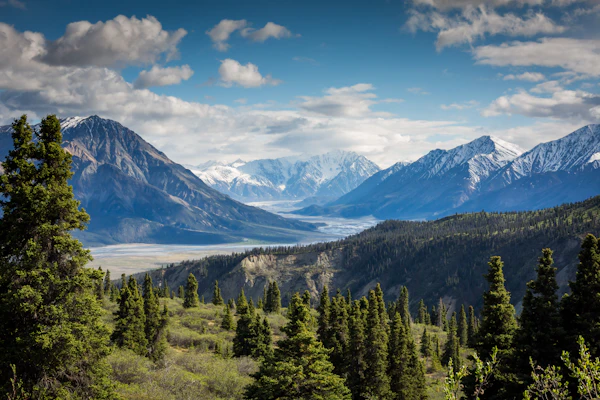
One of the thickest deodar forests in India at 3,200 meters altitude. The viewpoint offers panoramic vistas of Swargarohini, Bandarpunch, and the greater Himalayan range.
 Must Visit
Chilmiri Neck
Sunset Viewpoint3 km from Chakrata
The highest point near Chakrata town, offering a breathtaking 360-degree panorama. Famous as the best sunset point in the region with views stretching across the Yamuna valley.
Must VisitKanasar
Ancient Forest26 km from Chakrata
Home to a 250-year-old deodar plantation with towering trees reaching over 50 meters. A serene forest retreat with camping facilities and a Forest Rest House.

Ram Tal Horticultural Garden
Garden4 km from Chakrata
A beautiful garden maintained by the horticulture department featuring apple orchards, flower beds, and diverse plant species. A peaceful spot for nature walks and picnics.

Mundali
Meadow & Ski Point35 km from Chakrata
A high-altitude meadow at 2,800 meters that serves as a skiing destination in winter and a scenic trekking spot in summer. Surrounded by oak and deodar forests.
Budher Caves
Limestone Caves30 km from Chakrata
Ancient limestone caves with natural stalactite and stalagmite formations. Largely unexplored, these caves offer a genuine adventure experience in a wilderness setting.
Moila Top
Summit Viewpoint28 km from Chakrata
A panoramic summit offering magnificent views of snow-clad Himalayan peaks including Swargarohini and Bandarpunch. Reached via a forest trek from Kanasar.
Yamuna Bridge & Lakhamandal
Heritage & Scenic45 km from Chakrata
The ancient Lakhamandal temple complex dates back to the Mahabharata era. The Yamuna river crossing en route offers stunning valley views and photography opportunities.
Devban Temple
Temple2 km from Chakrata
An ancient temple dedicated to local deities, showcasing traditional Jaunsari architectural style with intricate woodwork. A spiritual and cultural landmark of the region.
Chakrata Weather & Best Time to Visit
Chakrata enjoys a temperate climate thanks to its 2,118-meter altitude. Summers are warm and pleasant, winters bring occasional snowfall, and the monsoon transforms the landscape into a lush green paradise. The best visiting windows are spring (March-June) and autumn (September-November).
| Month | Min Temp | Max Temp | Snowfall | Condition | Recommended |
|---|---|---|---|---|---|
| January | -2°C | 10°C | Light | Cold Winter - Occasional Snow | No |
| February | 0°C | 12°C | Light | Late Winter - Clearing Skies | No |
| March | 5°C | 18°C | None | Early Spring - Wildflowers Bloom | Yes |
| April | 10°C | 24°C | None | Pleasant Spring - Perfect Trekking | Yes |
| May | 14°C | 28°C | None | Warm Summer - Peak Tourist Season | Yes |
| June | 16°C | 30°C | None | Hot Summer - Pre-Monsoon | Yes |
| July | 16°C | 25°C | None | Monsoon - Heavy Rainfall | No |
| August | 15°C | 24°C | None | Monsoon - Landslide Risk | No |
| September | 12°C | 24°C | None | Post Monsoon - Lush Greenery | Yes |
| October | 8°C | 22°C | None | Autumn - Clear Panoramas | Yes |
| November | 3°C | 16°C | None | Early Winter - Crisp Air | Yes |
| December | 0°C | 12°C | Light | Winter Begins - Cold Nights | No |
Spring & Summer: March - June
Best overall season for Chakrata. Pleasant weather (10-30°C), wildflowers in bloom, all treks and attractions accessible. Peak tourist season is May-June but crowds remain minimal compared to other hill stations.
Autumn: September - November
Post-monsoon clarity offers the best Himalayan views from Deoban and Chilmiri Neck. Tiger Falls is at full flow. Lush green forests, comfortable temperatures (3-24°C), and very few tourists.
Monsoon: July - August
Heavy rainfall causes landslides and road blocks. Leeches on forest trails. Deoban and Mundali roads become impassable. Tiger Falls is dangerous due to heavy water flow. Best avoided.
How to Reach Chakrata
Chakrata is accessible primarily by road from Dehradun, which serves as the gateway city. The journey from Dehradun passes through scenic mountain roads with views of the Yamuna valley. Public transport is limited, so private vehicles or pre-booked taxis are recommended.
By Air
Airport: Jolly Grant Airport, Dehradun
Distance: 98 km from Chakrata
Duration: 3-4 hours by road
Airlines: IndiGo, Air India, SpiceJet, Vistara
By Train
Station: Dehradun Railway Station
Distance: 92 km from Chakrata
Duration: 3-3.5 hours by road
Trains: Shatabdi Express, Nanda Devi Express, Dehradun Express, Jan Shatabdi
By Road - Route Options
From Delhi
330 km8-9 hoursRoute: Delhi - Meerut - Roorkee - Dehradun - Mussoorie Road - Yamuna Bridge - Chakrata
From Dehradun
92 km3-3.5 hoursRoute: Dehradun - Mussoorie Road - Barkot Bypass - Yamuna Bridge - Chakrata
From Mussoorie
90 km3.5-4 hoursRoute: Mussoorie - Kempty Falls Road - Yamuna Bridge - Chakrata
From Haridwar
150 km5-6 hoursRoute: Haridwar - Dehradun - Mussoorie Road - Chakrata
Local Transport in Chakrata
Local Taxi / Jeep
Duration: As needed
Best way to explore surrounding attractions
Shared Jeeps
Duration: Irregular timings
Available for Tiger Falls and nearby villages
Where to Stay in Chakrata
Accommodation in Chakrata ranges from government rest houses and forest lodges to private resorts and authentic Jaunsari homestays. The homestay experience is particularly recommended as it offers an immersive window into the local tribal culture and cuisine that hotels simply cannot replicate.
Government & Forest Rest Houses
GMVN Tourist Rest House Chakrata
GovernmentForest Rest House Deoban
Forest Dept.PWD Rest House Chakrata
GovernmentPrivate Hotels & Resorts
Hotel Snow View Chakrata
HotelChakrata Heights Resort
ResortThe Deodar Retreat
BoutiqueHomestays & Camps
Jaunsari Heritage Homestay
HomestayCamp Chakrata (Kanasar)
CampingMundali Meadow Camps
CampingAccommodation Tips
- Book Jaunsari homestays through local contacts or tourism offices - they are not on major booking platforms
- Forest Rest Houses require advance booking through the Forest Department in Dehradun
- Carry warm sleeping bags in winter as heating may be basic in budget accommodations
- Kanasar camps are seasonal (April-November) and must be booked in advance
- Weekends and holidays see higher occupancy - book at least 1-2 weeks ahead for peak season
- Confirm power supply and hot water availability before booking in winter months
Chakrata Tour Packages 2026
Explore our handpicked Chakrata packages designed for every type of traveler - from weekend adventurers and cultural explorers to winter sports enthusiasts. All packages include local expertise and seamless logistics in this remote paradise.
 Bestseller
Chakrata Explorer Weekend
Accommodation | All Meals | Transport from Dehradun | Guide | Bonfire
 Adventure
Chakrata & Deoban Adventure
Accommodation | All Meals | Transport | Trek Guide | Camping Equipment
 Cultural
Jaunsari Cultural Immersion
Homestay Accommodation | Traditional Meals | Cultural Activities | Transport | Local Guide
CompleteComplete Chakrata Circuit
Resort Stay | All Meals | Private Vehicle | Trek Guide | All Entry Fees
 Winter Special
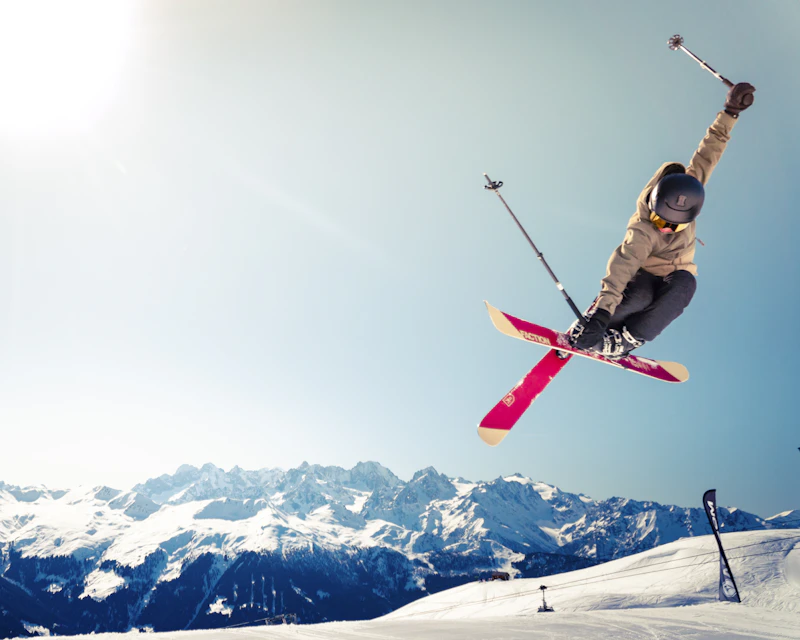
Mundali Winter Skiing Trip
Accommodation | All Meals | Ski Equipment | Instructor | Transport
Chakrata Photo Gallery
 Tiger Falls MajestyDeoban Forest TrailChilmiri Neck SunsetMundali Snow MeadowsJaunsari Heritage Village
 Kanasar Ancient Deodars
Frequently Asked Questions
Chakrata is one of the least commercialized hill stations in India. As a military cantonment town, it has been protected from unchecked development. There are no malls, crowded markets, or tourist traps. Instead, you get pristine deodar forests, the unique Jaunsari tribal culture, hidden waterfalls, and unexplored caves. It offers an authentic Himalayan experience that hill stations like Mussoorie and Shimla lost decades ago.
Chakrata is approximately 330 km from Delhi, taking 8-9 hours by road. The recommended route is Delhi - Meerut - Roorkee - Dehradun - Mussoorie Road - Yamuna Bridge - Chakrata. You can drive your own vehicle or take a UTC bus from Dehradun ISBT (92 km, 3-3.5 hours). The nearest airport is Jolly Grant Dehradun (98 km) and the nearest railway station is Dehradun (92 km). From Dehradun, hire a taxi or take the state bus.
The best times to visit Chakrata are March to June and September to November. Spring (March-April) brings wildflowers and pleasant weather with temperatures of 10-24 degrees Celsius. Summer (May-June) is warm but comfortable at this altitude. Post-monsoon autumn (September-November) offers crystal-clear Himalayan views and lush greenery. Avoid July-August due to heavy monsoon rainfall and landslide risks. Winter (December-February) is cold but appealing for snow lovers.
Tiger Falls is absolutely worth visiting and is Chakrata's crown jewel. At 312 feet (95 meters), it is one of the highest direct waterfalls in India. The trek to the falls is about 5 km through a beautiful mixed forest of oak and deodar. It takes around 1.5-2 hours to walk down. At the base, there is a natural pool where you can take a refreshing dip. The waterfall is at its most magnificent during and after the monsoon season (September-October). Entry fee is approximately Rs. 50 per person.
Deoban is a forested ridge located 16 km from Chakrata at an altitude of 3,200 meters, and it houses one of the thickest and most ancient deodar (Himalayan cedar) forests in India. The main attraction is the panoramic viewpoint offering breathtaking views of snow-capped peaks including Swargarohini, Bandarpunch, and Black Peak. The forest is incredibly dense and pristine, making it a paradise for birdwatchers and nature photographers. The road to Deoban is rough and a 4x4 vehicle or trek is recommended.
The Jaunsari tribe is the indigenous community of the Jaunsar-Bawar region around Chakrata. They have a distinct culture with roots believed to trace back to the Pandavas of the Mahabharata. Their unique traditions include the Harul folk dance, distinctive multi-story wooden architecture with carved balconies, festivals like Bissu Fair and Magh Mela, and traditional cuisine. Jaunsari homes are architecturally remarkable - earthquake-resistant structures built with wood and stone without modern materials. Experiencing their warm hospitality through a homestay is highly recommended.
Yes, Chakrata is considered very safe for solo travelers and women. Being a military cantonment, the area has a strong security presence. The local Jaunsari people are known for their warmth and hospitality. The town is small and walkable, and crime rates are extremely low. However, as with any remote destination, inform someone of your itinerary, carry a fully charged phone (BSNL works best here), and avoid trekking alone in dense forests. Mobile network can be patchy in areas like Deoban and Budher.
Budher Caves are ancient limestone caves located about 30 km from Chakrata near Budher village. The caves feature natural stalactite and stalagmite formations and remain largely unexplored, adding to their mystery and appeal. To reach them, drive to Budher village and then trek approximately 3 km through the forest. The caves are not well-marked, so hiring a local guide from Budher village is essential. The best time to visit is March to November. Carry a good torch and wear sturdy shoes as the cave floor can be slippery.
Yes, Mundali (35 km from Chakrata) at 2,800 meters is an emerging skiing destination. During winter months (January-February), Mundali receives adequate snowfall for basic skiing and snow activities. While not as developed as Auli, Mundali is being developed by the Uttarakhand government as a skiing and winter sports hub. Basic ski equipment can sometimes be arranged locally. For a more organized skiing experience, check with the Uttarakhand tourism department for seasonal courses. Mundali is also spectacular in summer with its green alpine meadows.
Chakrata offers unique Jaunsari tribal cuisine you will not find elsewhere. Must-try dishes include: Siddu - steamed wheat bread stuffed with poppy seeds or walnuts, traditionally eaten with ghee; Aktori - a sweet pancake made with buckwheat flour during festivals; Jhangora Ki Kheer - dessert made from barnyard millet; Baadi - a thick lentil preparation; Kafuli - spinach-based thick curry; and Chainsoo - roasted black gram dal slow-cooked with local spices. For non-vegetarian options, the local preparation of goat meat cooked in Jaunsari spices is exceptional. Most hotels serve North Indian fare, but seek out homestays for authentic Jaunsari food.
Mobile connectivity in Chakrata is limited. BSNL has the most reliable network in the town area. Jio works intermittently in the main town but drops out quickly once you leave. Airtel and Vodafone have very weak or no signal. There are 1-2 ATMs in Chakrata town (State Bank of India) but they are not always operational. It is strongly recommended to carry sufficient cash (Rs. 5,000-10,000) from Dehradun. Most hotels do not accept cards. Wi-Fi is available at select hotels but is typically slow.
Kanasar is a forest area located 26 km from Chakrata, famous for housing a deodar plantation believed to be over 250 years old. The trees here are massive - some reaching over 50 meters in height with enormous girths. The Forest Department maintains a rest house here surrounded by these ancient giants. Kanasar is also a popular camping spot with organized tent accommodations available. The forest is rich in birdlife including the Himalayan monal, koklass pheasant, and various woodpecker species. It serves as the starting point for the Moila Top trek.
Essential packing for Chakrata varies by season. Summer (March-June): Light woolens for evenings, comfortable trekking shoes, rain jacket, sunscreen SPF 50+, sunglasses, insect repellent, water bottle, and a small daypack. Winter (November-February): Heavy woolens including thermal innerwear, down jacket, waterproof boots, gloves, woolen cap, and hand warmers. Year-round essentials: Torch/headlamp (many areas have no street lights), power bank (electricity can be unreliable), basic medicines, cash, and a good camera. If visiting Deoban or Budher Caves, carry a sturdy walking stick.
While Chakrata is a military cantonment, civilian visitors are generally welcome without special permits. The Indian Army maintains the cantonment area which keeps the town clean and orderly. However, photography near military installations is strictly prohibited. Some areas within the cantonment may have restricted access. During sensitive periods, additional checkpoints may be in place. Always carry valid photo ID. The military presence is actually a positive aspect - it has prevented unchecked commercialization and keeps the area safe and well-maintained.
Chakrata is excellent for family trips with children. The Tiger Falls trek is manageable for children above 6 years, the Chilmiri Neck sunset point is easily accessible by car, and the general environment is safe and peaceful. Children especially enjoy the forest walks, spotting birds and butterflies, and the camping experiences at Kanasar. However, the Deoban trek and Budher Caves may be challenging for very young children. The homestay experiences give children a wonderful exposure to rural mountain life and Jaunsari culture.
A minimum of 3 days is recommended to experience Chakrata properly. Day 1: Arrive, explore Chakrata town, Chilmiri Neck sunset. Day 2: Tiger Falls trek, Ram Tal Horticultural Garden. Day 3: Deoban trip or Kanasar forest visit. For a comprehensive experience covering Mundali, Budher Caves, Moila Top, and cultural immersion, 5 days is ideal. Weekend trips (2 nights) are possible if you focus only on Tiger Falls and Chilmiri Neck, but you will miss the deeper wilderness experiences that make Chakrata special.
The forests around Chakrata are home to diverse wildlife. Mammals include Himalayan black bear, leopard, barking deer, goral (Himalayan chamois), yellow-throated marten, and langur monkeys. The region is particularly rich in bird species - Himalayan monal (Uttarakhand state bird), koklass pheasant, khalij pheasant, great barbet, Himalayan woodpecker, and various species of laughingthrushes. The Deoban and Kanasar forests are prime birdwatching territories. While leopard and bear sightings are rare, their signs (pugmarks, claw marks) are commonly seen on forest trails. Always maintain safe distance and make noise while trekking.
If you are seeking peace and solitude over commercial amenities, Chakrata is significantly better than Mussoorie. Mussoorie offers Mall Road shopping, established restaurants, and tourist infrastructure, but is extremely crowded especially on weekends and holidays. Chakrata offers pristine nature, untouched forests, genuine tribal culture, and minimal crowds even during peak season. However, Chakrata has limited dining options, fewer hotels, and no nightlife or shopping. Choose Mussoorie for a conventional hill station experience with facilities; choose Chakrata for an authentic, off-grid Himalayan retreat.