About Chopta Tungnath
Chopta, often called the "Mini Switzerland of India", is a pristine hill station nestled in the Rudraprayag district of Uttarakhand at an altitude of 2,680 meters. This enchanting destination serves as the base for the trek to Tungnath - the world's highest Shiva temple at 3,680 meters - and the stunning Chandrashila peak at 4,000 meters.
Unlike the challenging treks to other high-altitude temples, the Chopta to Tungnath trek is remarkably accessible, covering just 3.5 km through enchanting rhododendron and oak forests. This makes it perfect for families, first-time trekkers, and pilgrims alike. The additional 1.5 km climb to Chandrashila peak rewards trekkers with one of the most spectacular Himalayan panoramas - a 360-degree view of peaks including Nanda Devi, Trisul, Kedar Peak, and Chaukhamba.
Tungnath is the third temple in the Panch Kedar circuit, where according to legend, the arms of Lord Shiva appeared when he was hiding from the Pandavas in the form of a bull. The ancient temple, believed to be over 1,000 years old, features intricate stone architecture that has withstood centuries of harsh Himalayan winters.
Beyond its spiritual significance, Chopta is a paradise for nature lovers, bird watchers, and photographers. The meadows burst with wildflowers in spring, while winter transforms the landscape into a magical snow-covered wonderland. The region is home to rare Himalayan birds including the magnificent Monal, Koklass Pheasant, and the elusive Western Tragopan.
World's Highest Shiva Temple
Tungnath at 3,680m - 3rd of Panch Kedar
Chandrashila Summit
4,000m peak with 360° Himalayan views
Camping Paradise
Alpine meadows perfect for camping
Bird Watching
Monal, Koklass Pheasant & rare species
Winter Snow Trek
Magical Dec-Feb snow adventures
Photographer's Dream
Sunrise, stars, wildlife & landscapes
Tungnath Temple - The Divine Abode
Tungnath Temple stands as a testament to ancient Indian architecture and spiritual devotion. Perched at 3,680 meters in the Tungnath range of the Rudraprayag district, it holds the distinction of being the highest Shiva temple in the world. The temple is dedicated to Lord Shiva and is the third in the sacred Panch Kedar pilgrimage circuit.
Mythology & Legend
According to Hindu mythology, after the Kurukshetra war, the Pandavas sought Lord Shiva's blessing to atone for the sin of killing their kinsmen. Shiva, unwilling to forgive them, disguised himself as a bull (Nandi) and hid among a herd of cattle. When Bhima recognized him and tried to catch him, Shiva dove into the ground. Different parts of his body appeared at five different locations, forming the Panch Kedar. At Tungnath, Lord Shiva's arms (bahu) emerged, and this is worshipped here.
Temple Architecture
Built in the North Indian temple style, Tungnath showcases remarkable stone architecture that has survived over a millennium of harsh mountain weather. The temple complex houses several smaller shrines dedicated to the Pandavas, Vyasa, and other deities. The main sanctum contains a self-manifested Shiva lingam. Despite its remote location, the temple attracts thousands of devotees and trekkers annually.
The Panch Kedar Circuit
- Kedarnath (Hump): Main temple at 3,583m - most sacred
- Tungnath (Arms): Highest at 3,680m - most accessible
- Rudranath (Face): Most difficult at 2,286m - through dense forests
- Madhyamaheshwar (Navel): Remote at 3,497m - scenic meadows
- Kalpeshwar (Hair): Only one open year-round at 2,200m
Chopta to Chandrashila Trek Guide
The trek from Chopta to Chandrashila via Tungnath is one of the most rewarding short treks in the Himalayas. Covering just 5 km one way, it offers an incredible variety of experiences - dense forests, ancient temple, and a summit with world-class views - all achievable in a single day.
Trek Route Breakdown
Chopta (Base)
2,680m0 kmThe starting point of the trek, often called "Mini Switzerland of India". Beautiful meadows, camping sites, and stunning views of Himalayan peaks. Multiple cafes and shops available.
Baniya Kund
2,900m1.5 kmA small clearing in the dense rhododendron and oak forest. Good rest point with natural water source. The forest is home to various Himalayan birds including the Monal.
Time from previous point: 45-60 mins
Tungnath Temple
3,680m3.5 kmThe world's highest Shiva temple and third of the Panch Kedar. Ancient stone temple believed to be over 1,000 years old. Stunning architecture with intricate carvings.
Time from previous point: 2-2.5 hours
Chandrashila Peak
4,000m5 km (from Chopta)The summit offering 360-degree panoramic views of Himalayan peaks including Nanda Devi, Trisul, Kedar Peak, Bandarpunch, and Chaukhamba. Famous for breathtaking sunrise.
Time from previous point: 30-45 mins
Trek Tips for Success
- Start early (4:30-5:00 AM) to catch the magical sunrise at Chandrashila
- Carry a headlamp for pre-dawn starts - the trail is well-marked but dark
- Take breaks every 30-45 minutes to avoid altitude fatigue
- The last 500m to Tungnath is the steepest - pace yourself
- Chandrashila summit can be windy - carry a windcheater even in summer
- Return before noon in winter as conditions deteriorate in afternoon
- Carry 1-2 liters of water - refill points are limited after Chopta
Winter Snow Trek (December-February)
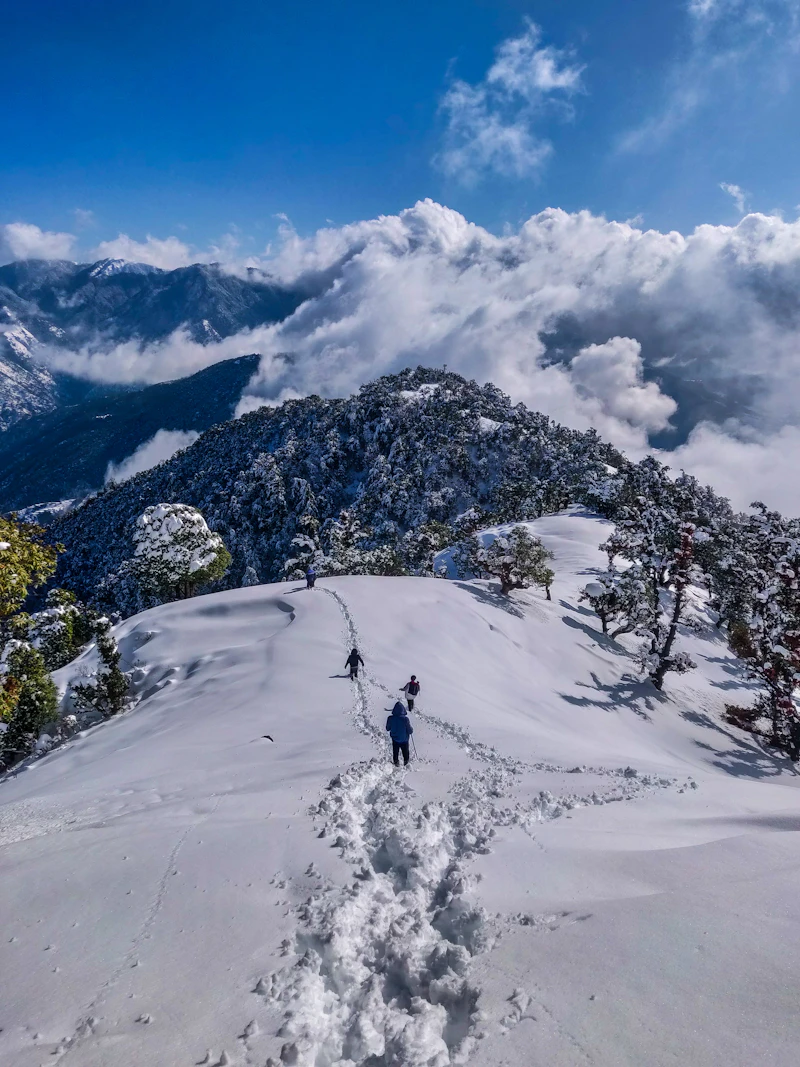
Winter trekking to Tungnath and Chandrashila has become increasingly popular among adventure enthusiasts. The trail is covered in 2-4 feet of pristine snow, creating a magical landscape unlike anything you'll see in other seasons. The temple remains closed, but the snow-covered trail and panoramic views from Chandrashila make it worth the extra effort.
- Essential gear: Crampons, gaiters, waterproof boots, layered clothing
- Hire a local guide familiar with winter conditions
- Start earlier (4:00 AM) and return before 2:00 PM
- Trail markers may be obscured - follow footprints and guide
- Carry hot water in an insulated bottle and high-energy snacks
- Snow blindness is a risk - UV-protected sunglasses are mandatory
Bird Watching at Chopta
Chopta and the surrounding forests are a haven for bird enthusiasts. The region's diverse habitats - from dense oak-rhododendron forests to alpine meadows - support an impressive variety of Himalayan bird species. The area is particularly famous for pheasants, including the spectacular Himalayan Monal (state bird of Uttarakhand).
Himalayan Monal
Lophophorus impejanusState bird of Uttarakhand. Males have iridescent plumage with metallic green, purple, and orange colors. Best spotted early morning.
Koklass Pheasant
Pucrasia macrolophaMedium-sized pheasant with streaked plumage. Known for its distinctive loud call echoing through the forest.
Blood Pheasant
Ithaginis cruentusNamed for red streaks on males. Found at higher altitudes near Tungnath. Travels in small groups.
Himalayan Griffon
Gyps himalayensisLarge vulture species often seen soaring above Chandrashila. Wingspan can exceed 3 meters.
Western Tragopan
Tragopan melanocephalusOne of the rarest pheasants. Males have bright red and black plumage with white spots. Extremely shy.
Spotted Laughingthrush
Garrulax ocellatusSocial bird found in dense undergrowth. Distinctive spotted pattern and melodious call.
Bird Watching Tips
- Best time: Early morning (5:30-8:00 AM) and late afternoon (4:00-6:00 PM)
- Walk slowly and quietly - sudden movements scare birds away
- Wear muted colors (green, brown, grey) to blend with environment
- Carry binoculars (8x42 or 10x42 recommended) and a field guide
- The trail between Chopta and Baniya Kund is best for forest birds
- Higher elevations near Tungnath offer better chances for pheasants
- Spring (March-May) is peak breeding season with most activity
Camping at Chopta
Camping at Chopta is a quintessential Himalayan experience. The vast alpine meadows, clear night skies perfect for stargazing, and morning mists rolling through the valleys create unforgettable memories. Whether you prefer organized camps with all amenities or wish to pitch your own tent, Chopta has options for everyone.
Chopta Meadows Camping
Fixed CampsCapacity: 2-4 persons per tent
Best For: Families, First-timers
Forest Edge Camps
Semi-luxuryCapacity: 2-3 persons per tent
Best For: Couples, Comfort seekers
Backpacker Camping
BudgetCapacity: 2-3 persons per tent
Best For: Solo travelers, Budget trips
Winter Snow Camping
AdventureCapacity: 2-4 persons per tent
Best For: Adventure enthusiasts
Season: December - February
Camping Tips & Guidelines
- Book fixed camps in advance during peak seasons (April-June, Sept-Nov)
- For own camping, carry all supplies - options at Chopta are limited
- Use established campsites to minimize environmental impact
- Night temperatures drop to 0-5°C even in summer - carry warm sleeping bags
- No campfires in forest areas - use only designated fire pits at camps
- Carry out all trash - Leave No Trace principles are essential
- Store food properly to avoid attracting wildlife
- Best stargazing: New moon nights in October-November (least cloud cover)
Places to Visit in & Around Chopta
Beyond the main attractions of Tungnath and Chandrashila, the Chopta region offers numerous other beautiful destinations. From pristine high-altitude lakes to wildlife sanctuaries and ancient temples, there's much to explore in this blessed corner of Uttarakhand.
 Must Visit
Tungnath Temple
Main Temple - Panch Kedar3.5 km trek from Chopta
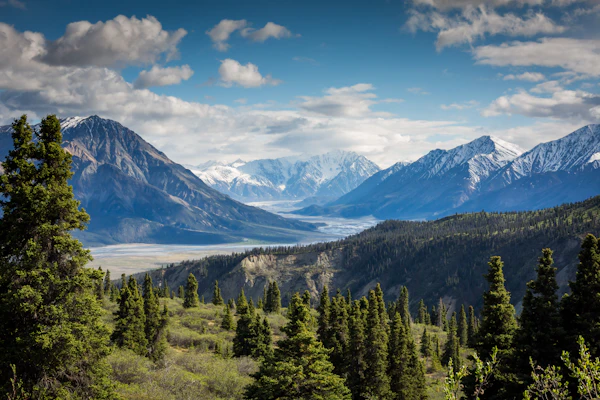
The world's highest Shiva temple at 3,680 meters, and third of the Panch Kedar. Built in the 8th century, the temple houses a self-manifested Shiva lingam. According to legend, the arms of Lord Shiva appeared here when he was hiding from the Pandavas in the form of a bull.
 Must Visit
Chandrashila Peak
Summit - Viewpoint5 km trek from Chopta
The "Moon Rock" summit at 4,000 meters offers spectacular 360-degree views of the Himalayas. On clear days, you can see Nanda Devi, Trisul, Kedar Peak, Bandarpunch, and Chaukhamba. The sunrise from here is legendary, painting the snow-capped peaks in golden hues.
Must VisitDeoria Tal
High Altitude Lake12 km from Chopta (3 km trek from Sari)
A pristine emerald lake at 2,438 meters reflecting the Chaukhamba peaks. According to mythology, the Pandavas were tested here by Yaksha. The 3 km trek from Sari village passes through beautiful oak and rhododendron forests. Camping is possible near the lake.
Must VisitChopta Meadows
Alpine Meadow0 km (Base)
Known as "Mini Switzerland of India", these stunning alpine meadows sit at 2,680 meters. The grasslands are carpeted with wildflowers in spring and summer. Perfect for camping, photography, and stargazing. Multiple viewpoints offer stunning Himalayan panoramas.

Ukhimath Temple
Religious Site25 km from Chopta
The winter seat of Lord Kedarnath and Madhyamaheshwar. During winter, the deities from Kedarnath are ceremoniously brought here. Ancient temple complex with significant religious importance. Also houses Usha temple, believed to be the birthplace of Usha (wife of Aniruddha).
Kanchula Korak Musk Deer Sanctuary
Wildlife Sanctuary10 km from Chopta
A 5 sq km sanctuary dedicated to the endangered Himalayan Musk Deer. The dense oak and rhododendron forests also shelter leopards, bharal, and various pheasants. Guided nature walks available. Best for wildlife photography and bird watching.
Dugalbitta
Viewpoint5 km from Chopta
A scenic viewpoint on the way to Chopta offering excellent views of the Himalayan range. The meadow here is perfect for a short stop, photography, and picnic. During winters, the area is covered in snow, creating a magical landscape.
Rohini Bugyal
High Altitude Meadow8 km trek from Chopta
A stunning high-altitude meadow at 3,400 meters. Less crowded than main tourist spots, it offers pristine natural beauty. The bugyal (meadow) is carpeted with colorful wildflowers in summer. Excellent camping spot with spectacular star-gazing opportunities.
Chopta Weather & Best Time to Visit
Chopta experiences distinct seasons, each offering unique experiences. Unlike lower-altitude destinations, Chopta remains pleasant even in summer, while winters bring heavy snowfall that transforms the landscape into a winter wonderland. Understanding the weather patterns helps plan the perfect trip.
| Month | Min Temp | Max Temp | Rainfall | Condition | Recommended |
|---|---|---|---|---|---|
| January | -10°C | 2°C | 45mm | Heavy Snow - Winter Trek | No |
| February | -8°C | 5°C | 50mm | Snow Trek Season | No |
| March | -2°C | 10°C | 40mm | Snow Melting - Beautiful | Yes |
| April | 3°C | 15°C | 35mm | Spring Bloom - Excellent | Yes |
| May | 8°C | 20°C | 50mm | Peak Season - Pleasant | Yes |
| June | 12°C | 22°C | 150mm | Pre-Monsoon - Warm | Yes |
| July | 12°C | 18°C | 400mm | Monsoon - Heavy Rain | No |
| August | 12°C | 18°C | 380mm | Monsoon - Landslide Risk | No |
| September | 8°C | 18°C | 150mm | Post Monsoon - Clear Views | Yes |
| October | 4°C | 16°C | 30mm | Autumn - Best Weather | Yes |
| November | -2°C | 12°C | 20mm | Early Winter - Cold | Yes |
| December | -8°C | 5°C | 30mm | Winter - Snow Trek | No |
Spring Season: March - May
Rhododendrons bloom in vibrant reds and pinks. Snow melts creating waterfalls. Pleasant weather for trekking. Bird activity peaks as breeding season begins. Ideal for photography.
Autumn Season: September - November
Clearest skies and best mountain views. Post-monsoon freshness with washed landscapes. Comfortable temperatures. Fewer crowds than summer. Best overall season for the trek.
Winter Season: December - February
Heavy snowfall creates magical landscapes. Snow trekking adventure opportunities. Temple closed but Chandrashila trek is spectacular. Requires proper gear and preparation. Not for beginners.
Monsoon Season: July - August
Heavy rainfall makes trails slippery and dangerous. Leeches common on forest trail. Landslide risks on roads. Poor visibility. Strongly advised to avoid this period.
Where to Stay - Accommodation Guide
Accommodation options around Chopta range from basic homestays to comfortable resorts and organized camps. The area is relatively undeveloped, which preserves its natural charm but means limited luxury options. Most visitors prefer camping for the authentic experience.
At Chopta
GMVN Tourist Rest House
GovernmentChopta Meadows Resort
PrivateCamp Chopta
CampingMagpie Camp
Eco CampNear Tungnath (Seasonal)
Tungnath Temple Dharamshala
ReligiousSmall Tea Shops
BasicUkhimath (25 km)
GMVN Ukhimath
GovernmentHotel Snow View
PrivateSari Village (12 km)
Deoria Tal Homestays
HomestayVillage Guest Houses
BasicAccommodation Tips
- Book camps and hotels in advance during peak seasons (April-June, Oct-Nov)
- Camping is the most popular option - book through reputed operators
- GMVN properties offer reliable basic accommodation
- Carry your own sleeping bag for extra warmth in all seasons
- Sari village offers good homestay options for Deoria Tal base
- Ukhimath has better facilities if you prefer comfort over proximity
Chopta Trek Packing List
Proper packing is essential for a comfortable and safe Chopta trek. The weather can change rapidly in the mountains, and being prepared makes all the difference. This comprehensive checklist covers both regular season and winter trek requirements.
Clothing
Footwear
Camping Gear (if camping)
Medicines & Health
Essentials
Winter Trek Special
Chopta Tungnath Tour Packages 2026
Choose from our carefully curated Chopta packages - from quick weekend getaways to comprehensive photography tours and winter adventures. All packages include accommodation, meals, and expert guidance for a hassle-free experience.
 Bestseller
Chopta Tungnath Weekend Trek
Camping | Meals | Transport from Haridwar | Guide | Bonfire
PopularChopta Deoria Tal Combo
Camping at both locations | All Meals | Transport | Guide | Trek Equipment
AdventureWinter Snow Trek - Chopta
Winter Gear | Insulated Tents | All Meals | Expert Guide | Transport
 Special
Photography Tour - Chopta
Accommodation | Meals | Photography Guide | Transport | Best Spots Access
 Spiritual
Panch Kedar Trek
All Accommodation | All Meals | Guide | Transport | Temple Assistance
BudgetChopta Budget Backpacker
Basic Camping | Dinner & Breakfast | Transport from Rishikesh
Chopta Tungnath Photo Gallery
Tungnath TempleChandrashila SunriseChopta MeadowsDeoria Tal ReflectionWinter Snow TrekHimalayan PanoramaFrequently Asked Questions
Tungnath is the world's highest Shiva temple at 3,680 meters (12,073 ft). It is the third temple in the Panch Kedar pilgrimage circuit, believed to be over 1,000 years old. According to legend, the arms (bahu) of Lord Shiva appeared here when he was hiding from the Pandavas in bull form. The temple architecture is stunning, with intricate stone carvings. Unlike Kedarnath, Tungnath is accessible via a relatively easy 3.5 km trek from Chopta.
The Chopta to Tungnath trek is considered easy to moderate. The 3.5 km well-maintained path has a gradual ascent through beautiful rhododendron and oak forests. Most people complete it in 2-3 hours. The additional 1.5 km to Chandrashila is steeper but still manageable. First-time trekkers can easily do this trek with basic fitness. The total elevation gain from Chopta (2,680m) to Chandrashila (4,000m) is about 1,320 meters.
Chandrashila, meaning "Moon Rock", is famous for its spectacular 360-degree Himalayan views and breathtaking sunrise. From the summit at 4,000m, you can see peaks including Nanda Devi (India's second highest), Trisul, Kedar Peak, Bandarpunch, and Chaukhamba. The sunrise paints the snow-capped peaks in golden and pink hues, making it one of the most photographed sunrise points in Uttarakhand. A small temple dedicated to Goddess Ganga sits at the summit.
The best time to visit is March-May and September-November. March-April offers blooming rhododendrons and some snow. May-June has pleasant weather but can be crowded. September-October offers clearest views post-monsoon with autumn colors. November has early snow and fewer crowds. For winter snow trek enthusiasts, December-February offers magical snow-covered landscapes but requires proper gear and experience. Avoid July-August due to heavy monsoon.
Yes, winter trekking (December-February) to Tungnath is increasingly popular but requires preparation. The trail is covered in 2-4 feet of snow, making it more challenging and beautiful. Essential requirements: 1) Proper winter gear (crampons, gaiters, insulated clothing), 2) Experience with snow trekking or hire a guide, 3) Good fitness level, 4) The temple remains closed in winter, but the trek to Chandrashila is the main attraction, 5) Start early and return before 2 PM as conditions worsen in afternoon.
Deoria Tal is a beautiful emerald lake at 2,438m that perfectly reflects the Chaukhamba peaks. It is located 12 km from Chopta near Sari village. To reach: Drive 12 km from Chopta to Sari village, then trek 3 km (1.5-2 hours) uphill through oak forests to the lake. Camping is available near the lake. Many visitors combine Deoria Tal with Chopta Tungnath for a 4-5 day trip. The lake has mythological significance - it's where Yaksha tested the Pandavas.
Chopta is a bird watcher's paradise. Key species include: 1) Himalayan Monal - the state bird with iridescent plumage (best: April-June), 2) Koklass Pheasant - known for loud calls, 3) Blood Pheasant - found at higher altitudes, 4) Western Tragopan - extremely rare, 5) Himalayan Griffon - large vulture seen soaring, 6) Various laughingthrushes, rosefinches, and warblers. Early morning (5-7 AM) is the best time for bird watching. Carry binoculars and move quietly.
Yes, camping is very popular at Chopta. Options include: 1) Fixed camps run by operators (Rs 1,500-6,000 per night with meals), 2) Bring your own tent and camp in designated areas, 3) Winter snow camping with special gear. Best camping spots are in the meadows near the parking area. Facilities at camps usually include tents, sleeping bags, meals, and bonfire. For own camping, carry all supplies as options are limited. Respect nature - use established campsites and follow Leave No Trace principles.
From Delhi (400 km, 10-12 hours): Delhi > Haridwar > Rishikesh > Devprayag > Rudraprayag > Ukhimath > Chopta. From Haridwar (200 km, 7-8 hours): Take NH-58 to Rishikesh, continue to Devprayag, then Rudraprayag, Ukhimath, and finally Chopta. From Rishikesh (180 km, 6-7 hours): Same route via Devprayag. No direct public transport to Chopta; hire a taxi from Haridwar/Rishikesh (Rs 4,000-6,000 one way). The road is scenic but has hairpin bends.
Panch Kedar refers to five sacred Shiva temples in Garhwal Himalayas, connected to the legend of Pandavas seeking Shiva's blessings. When Shiva transformed into a bull and dived into the ground, different parts appeared at five locations: 1) Kedarnath (hump) - 3,583m, 2) Tungnath (arms) - 3,680m, 3) Rudranath (face) - 2,286m, 4) Madhyamaheshwar (navel) - 3,497m, 5) Kalpeshwar (hair) - 2,200m. Traditionally completed in order starting from Kedarnath. The full circuit takes 12-14 days.
Mobile Network: BSNL has the best coverage at Chopta, though patchy. Jio works intermittently. Airtel/Vodafone have poor coverage. At Tungnath and Chandrashila, expect no network. ATM: There is no ATM at Chopta. The nearest ATM is at Ukhimath (25 km) or Rudraprayag (50 km). Carry sufficient cash (Rs 3,000-5,000 minimum). Most camps accept cash only, though some larger establishments may accept UPI when network works.
Essential packing: Clothing - layered system with thermal base, fleece mid-layer, waterproof outer layer, warm cap, gloves. Footwear - sturdy trekking shoes with ankle support. Health - Diamox for altitude, basic medicines, sunscreen, lip balm. Gear - headlamp, trekking poles, water bottle, power bank, camera. For winter: add crampons, gaiters, balaclava, hand warmers. Keep backpack under 6-8 kg. Even in summer, carry warm clothes as temperatures drop significantly after sunset.
Yes, with some considerations. For seniors (60+): The trek is manageable for fit seniors, but take it slow. Acclimatize at Chopta for a few hours before trekking. The first 2 km are easier; the last 1.5 km to Tungnath is steeper. Consider doing only the Tungnath trek, skipping Chandrashila. For children (8+): Most children handle the trek well if they are active. The forest trail is engaging for them. Carry snacks and let them set the pace. Children under 8 may find Chandrashila challenging.
Tungnath Temple timings: Summer season (May-November) - Opens 6:00 AM, Closes 7:00 PM. Morning aarti at 6:00 AM, evening aarti at 6:00 PM. The temple remains closed during winter (December-April) due to heavy snowfall. The deity is moved to Makkumath village during winter. For the best experience, reach Tungnath by 5:30 AM to attend morning aarti and then proceed to Chandrashila for sunrise. Evening visits offer golden light but you must descend before dark.
Monsoon (July-September) visits are NOT recommended. Heavy rainfall makes the trail slippery and dangerous. Leeches are common on the forest trail. Visibility is poor, defeating the purpose of the trek. Landslides can block roads. If you must visit during late September, check weather forecasts and local conditions. The post-monsoon period (late September-October) is excellent with clear skies and washed clean landscapes.
Chandrashila has multiple legends. The most popular states that Lord Rama meditated here after defeating Ravana to atone for killing a Brahmin (Ravana was a Brahmin scholar). The moon (Chandra) is said to have spent time here, giving the peak its name "Moon Rock". Another legend connects it to the Pandavas' journey through the Himalayas. The small temple at the summit is dedicated to Goddess Ganga. The spiritual energy of the place is considered powerful for meditation.
A day trip is possible but not recommended. From Haridwar/Rishikesh, you would need to start at 3-4 AM, drive 6-7 hours, trek 5 km up and 5 km down (4-5 hours total), and drive back - exhausting and you would miss the best parts (sunrise, camping, stargazing). Minimum recommended: 2 days/1 night - drive to Chopta, evening exploration, early morning trek for sunrise at Chandrashila, return by afternoon. Ideally, spend 3-4 days to fully enjoy the destination.
At Chopta: Multiple cafes and dhabas serve Maggi, parathas, dal-rice, omelettes, momos, and chai. Some camps offer proper meals. Prices are higher than plains (Maggi Rs 60-80, meal Rs 150-250). At Tungnath: One or two small shops offer Maggi, biscuits, and chai during season. Nothing available in winter or off-season. On the trek: Carry your own snacks, dry fruits, chocolates, and water. The water from natural streams is drinkable but carry purification tablets just in case.