About Gangotri - Origin of the Sacred Ganga
Perched at 3,100 meters in the Uttarkashi district of Uttarakhand, Gangotri is one of the holiest pilgrimage destinations in India and the second stop in the revered Char Dham Yatra. This is where, according to Hindu mythology, the heavenly River Ganga descended to Earth after King Bhagirath's centuries of penance, and Lord Shiva caught her mighty force in his matted locks to prevent the destruction of the world.
The 18th-century Gangotri Temple, built in gleaming white granite by Gorkha General Amar Singh Thapa, stands majestically on the banks of the Bhagirathi River. The temple marks the sacred spot where King Bhagirath meditated on a rock known as Bhagirathi Shila. Each year, the temple opens on Akshaya Tritiya in May and closes on Diwali in November, with the deity being ceremonially moved to Mukhba village near Harsil for winter worship.
Beyond its spiritual significance, Gangotri is the gateway to some of the most spectacular treks in the Himalayas. The 18-kilometer trek to Gaumukh Glacier - the actual source of the Bhagirathi (Ganga) River at 3,892 meters - is a life-changing experience combining pilgrimage and adventure. Further beyond lies Tapovan, a lush meadow at 4,463 meters with jaw-dropping views of the Shivling peak, considered one of the most beautiful mountains on Earth.
Origin of River Ganga
Gaumukh Glacier - source of Bhagirathi
Char Dham Pilgrimage
2nd sacred stop in the Yatra
18th Century Temple
White granite, Goddess Ganga
Epic Himalayan Treks
Gaumukh, Tapovan & Kedartal
Gangotri Temple - The Sacred Shrine
The Gangotri Temple is the principal shrine at Gangotri, dedicated to Goddess Ganga. Built in the 18th century by the Gorkha General Amar Singh Thapa, this stunning white granite temple sits on the left bank of the Bhagirathi River. It was later renovated by the Jaipur royal family. The temple architecture follows the traditional Garhwali Himalayan style with intricate carvings and a serene sanctum housing the deity.
Temple Darshan & Rituals
Temple Timings
Morning Darshan: 6:00 AM - 2:00 PM, 3:00 PM - 9:30 PM (summer)
Morning Aarti: Morning 6:15 AM
Evening Aarti: Evening 6:30 PM
Opens: Akshaya Tritiya (May) to Diwali (November)
Temple Details
Material: White granite
Built By: Gorkha General Amar Singh Thapa
Dedicated To: Goddess Ganga
Architecture: Garhwali Himalayan style with intricate carvings
The Legend of King Bhagirath
The story of Gangotri is deeply intertwined with the legend of King Bhagirath, a descendant of the Ikshvaku dynasty. His ancestors, the 60,000 sons of King Sagar, were reduced to ashes by the curse of Sage Kapila. To liberate their souls, Bhagirath performed intense penance for thousands of years at the spot now marked by Bhagirathi Shila near the temple. Pleased by his devotion, Goddess Ganga agreed to descend from heaven. Lord Shiva received her in his matted locks to break the mighty force of her descent, releasing her gently as the River Bhagirathi.
Sacred Sites at Gangotri
Bhagirathi Shila
Near TempleThe sacred rock where King Bhagirath sat in deep meditation and penance. It lies adjacent to the temple and is an essential part of the pilgrimage.
Surya Kund
Near TempleA natural hot water spring where pilgrims take a holy dip before temple darshan. The warm water amid the cold mountain air is a rejuvenating experience.
Submerged Shivling
DownstreamA natural rock Shivling in the Bhagirathi River, visible only in winter when water levels drop. Its appearance is considered highly auspicious by devotees.
Pandava Gufa
1.5 km from TempleA natural cave believed to have sheltered the Pandavas during their ascent to heaven. A short, scenic walk from the main temple complex.
Pilgrimage Tips
- Reach the temple by 5:30 AM for the morning aarti - it is a deeply moving experience
- Evening Ganga Aarti at 6:30 PM on the river bank is unmissable
- The temple complex allows photography outside but not inside the sanctum
- Carry warm clothes even in summer - temperatures drop sharply after sunset
- Respect the sacred atmosphere - alcohol and non-vegetarian food are prohibited
- The Mukhba village winter shrine is accessible from Harsil (October onwards)
Gaumukh Glacier Trek - To the Source of Ganga
The trek from Gangotri to Gaumukh Glacier is one of the most spiritually and visually rewarding treks in the Himalayas. Gaumukh, meaning "cow's mouth," is the snout of the Gangotri Glacier at 3,892 meters from where the Bhagirathi River gushes out with tremendous force. This 18-kilometer trail follows the mighty river through narrow gorges, birch forests, and stunning alpine terrain, offering an unforgettable journey to the very source of India's holiest river.
Trek Route Breakdown
Gangotri to Chirbasa
3,600m9 km | 3-4 hoursThe first half of the trek passes through dense Chir Pine and Deodar forests along the Bhagirathi River. Relatively gentle gradient with well-marked trail.
Chirbasa to Bhojbasa
3,792m5 km | 2-3 hoursThe trail emerges from the tree line into open terrain with birch (Bhoj) forests. Bhojbasa has a GMVN rest house and is the recommended overnight halt. Stunning sunset views.
Bhojbasa to Gaumukh
3,892m4 km | 2-3 hoursThe final stretch over rocky moraine terrain to the glacier snout. The trail becomes rough with loose stones. The sight of the river emerging from the glacier is awe-inspiring.
Permit Details
Indian Nationals: Rs. 150 per person
Foreign Nationals: Rs. 600 per person
Where to Get: DM Office, Uttarkashi or Online
Daily Limit: 20 persons per day
Essential Gear
Footwear: Sturdy trekking boots
Clothing: Multiple warm layers, windproof jacket
Sleeping: Sleeping bag (-10°C rated)
Other: Trekking poles, headlamp, first aid
Trekking Trails from Gangotri
Gangotri serves as the base for some of the most spectacular treks in the Garhwal Himalayas. From the iconic Gaumukh and Tapovan to the remote Kedartal lake, the trekking options here range from moderate pilgrim trails to challenging mountaineering approaches, all offering breathtaking Himalayan scenery.
Gangotri to Gaumukh Trek
2-3 Days | 18 km one way
Max: 3,892mThe classic pilgrimage-cum-trek to the snout of Gangotri Glacier, locally called Gaumukh (cow's mouth), from where the Bhagirathi River emerges. The trail follows the river through stunning gorges and birch forests.
Start Point: Gangotri Temple | Best Time: May - June, September - October
Gaumukh to Tapovan Trek
3-4 Days | 24 km one way (from Gangotri)
Max: 4,463mAn extension of the Gaumukh trek, Tapovan is a lush green meadow perched above the glacier with jaw-dropping views of the majestic Shivling peak. Crossing the glacier moraine is the toughest section.
Start Point: Gangotri Temple (via Gaumukh) | Best Time: May - June, September - October
Gangotri to Kedartal Trek
5-6 Days | 17 km one way
Max: 4,750mOne of the most rewarding yet demanding treks in the Garhwal Himalayas. Kedartal is a glacial lake reflecting the majestic Thalaysagar, Jogin, and Bhrigupanth peaks in its crystal-clear waters.
Start Point: Gangotri Temple | Best Time: May - June, September - October
Dayara Bugyal Trek (via Barsu)
3-4 Days | 26 km round trip
Max: 3,638mOne of the most beautiful high-altitude meadows in India, Dayara Bugyal offers sweeping views of Bandarpoonch, Draupadi Ka Danda, and other peaks. A gentler alternative to Gaumukh for those seeking meadow beauty.
Start Point: Barsu Village (45 km from Uttarkashi) | Best Time: May - June, September - November
Food & Cuisine at Gangotri
As a sacred pilgrimage site, Gangotri is a strictly vegetarian zone. No non-vegetarian food or alcohol is available anywhere in the town. The food is simple, nourishing, and prepared to sustain pilgrims and trekkers in the high-altitude cold. Several small dhabas and ashram kitchens serve wholesome meals throughout the temple season.
Local Specialties
Rajma Chawal: Kidney beans with rice - the signature mountain dish of the region, especially famous from Harsil Valley
Aloo Ke Gutke: Spiced potatoes with local herbs, a traditional Garhwali preparation served with roti
Kafuli: A spinach and fenugreek preparation unique to Garhwal, thick and nutritious
Mandua Ki Roti: Finger millet flatbread, a staple of the Garhwal hills rich in iron and calcium
Common Food Available
Breakfast: Paranthas, poha, bread-butter, chai (Rs. 100-200)
Lunch/Dinner: Dal-chawal, roti-sabzi, rajma-chawal (Rs. 150-300)
Snacks: Maggi noodles, pakoras, samosas, biscuits (Rs. 50-100)
Drinks: Chai, lemon water, hot chocolate (Rs. 20-80)
Food on the Gaumukh Trek
Food options become very limited beyond Gangotri. At Chirbasa (9 km), a few seasonal tea stalls serve Maggi and chai. At Bhojbasa (14 km), the GMVN rest house provides basic dal-rice and chapati meals. Beyond Bhojbasa toward Gaumukh and Tapovan, there is no food available at all. Carry sufficient dry fruits, energy bars, glucose, and trail mix for the trek.
Food Tips for Visitors
- Try the local Harsil Rajma - it is famous across Uttarakhand for its unique flavor
- Carry dry fruits, energy bars, and glucose for treks beyond Gangotri
- All food is vegetarian - plan accordingly if this affects your diet
- Hot chai at the dhabas is the best way to warm up in the cold mountain air
- Water from the Bhagirathi is considered pure by pilgrims, but carry purification tablets as a precaution
- Ashram langars (community kitchens) sometimes serve free meals to pilgrims
Places to Visit in & Around Gangotri
From ancient temples and sacred rocks to mighty glaciers and hidden valleys, the Gangotri region offers a wealth of experiences for pilgrims, trekkers, and nature lovers alike. Here are the essential places to explore.
 Must Visit
Gangotri Temple
Pilgrimage / Temple0 km (main site)
The 18th-century white granite temple dedicated to Goddess Ganga, built by Gorkha General Amar Singh Thapa. It stands on the banks of the Bhagirathi River at the spot where King Bhagirath meditated to bring Ganga to Earth.
 Must Visit
Gaumukh Glacier
Glacier / Trek18 km trek from Gangotri
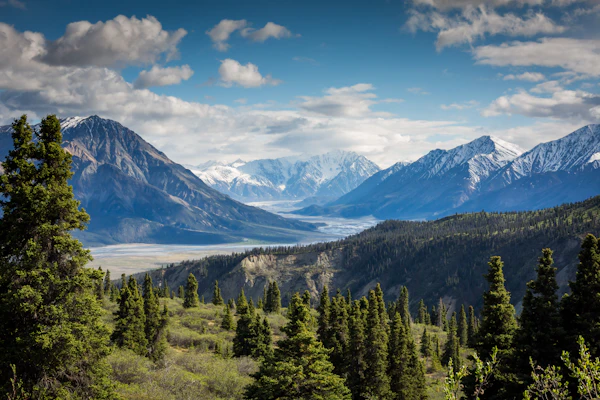
The snout of the Gangotri Glacier at 3,892m, shaped like a cow's mouth, from where the Bhagirathi (Ganga) River originates. One of the most sacred and awe-inspiring natural wonders in the Himalayas.
 Must Visit
Tapovan
High-Altitude Meadow24 km trek from Gangotri
A stunning alpine meadow at 4,463m above Gaumukh Glacier, offering breathtaking close-up views of the Shivling peak (6,543m). Revered as a place of penance and spiritual practice by sadhus.
 Must Visit
Bhagirathi Shila
Sacred Rock / PilgrimageNear Gangotri Temple
The sacred rock where King Bhagirath is believed to have sat in deep meditation and penance to please Lord Shiva and bring the heavenly Ganga down to Earth. A deeply spiritual landmark at the temple complex.
Submerged Shivling
Natural Rock Formation / SacredDownstream from Gangotri Temple
A natural rock Shivling in the Bhagirathi River that remains submerged during summer but becomes visible in winter when the water level recedes. Devotees consider its appearance highly auspicious.
Surya Kund
Hot Spring / SacredNear Gangotri Temple
A natural hot water spring near the temple where pilgrims traditionally take a holy dip before offering prayers at the Gangotri Temple. The warm water in the cold mountain setting is a welcome experience.
Pandava Gufa (Cave)
Cave / Mythological1.5 km from Gangotri Temple
A natural cave believed to be the resting place of the Pandavas during their journey to heaven (Swargarohini). The small cave set amid rocky terrain is a short walk from the temple and offers views of the river valley.
Harsil Valley
Scenic Valley / Nature25 km before Gangotri
A picturesque valley along the Bhagirathi River, often called the hidden gem of Uttarakhand. Surrounded by cedar forests and apple orchards, it was a favorite of the British and serves as a stunning approach to Gangotri.
Dharali Village
Village / Apple Orchards20 km before Gangotri
A quiet village near Harsil known for its terraced apple orchards, traditional Garhwali architecture, and hot springs. The village offers a peaceful retreat and an authentic Himalayan rural experience.
Nelong Valley (Jadung)
Restricted Area / Nature45 km from Gangotri
Often called the Ladakh of Uttarakhand, this high-altitude cold desert valley near the Tibet border was reopened for tourism in 2015. Permits are required. The barren landscape and Tibetan-style terrain are extraordinary.
Gangotri Weather & Best Time to Visit
Gangotri's weather is defined by its high altitude and temple season cycle. The shrine is accessible only from May to November, with heavy snowfall sealing the area in winter. Understanding the seasonal patterns is crucial for planning your pilgrimage or trek.
| Month | Min Temp | Max Temp | Snowfall | Condition | Recommended |
|---|---|---|---|---|---|
| January | -10C | 2C | Heavy | Severe Winter - Temple Closed | No |
| February | -8C | 4C | Heavy | Heavy Snow - Temple Closed | No |
| March | -4C | 8C | Moderate | Late Winter - Temple Closed | No |
| April | 0C | 14C | Light | Snow Melting - Temple Closed | No |
| May | 4C | 18C | None | Temple Opens - Pilgrimage Begins | Yes |
| June | 8C | 20C | None | Peak Pilgrimage - Pleasant Weather | Yes |
| July | 10C | 18C | None | Monsoon - Heavy Rainfall | No |
| August | 10C | 17C | None | Monsoon - Landslide Risk | No |
| September | 6C | 16C | None | Post Monsoon - Clear Skies | Yes |
| October | 2C | 13C | None | Autumn - Last Pilgrimage Month | Yes |
| November | -4C | 8C | Light | Temple Closes Diwali - Early Winter | No |
| December | -8C | 3C | Heavy | Severe Winter - Temple Closed | No |
Summer: May - June
Best for both pilgrimage and trekking. Temple freshly opened, pleasant weather (4°C to 20°C), clear skies, and all trails accessible. Peak season for Gaumukh and Tapovan treks.
Autumn: September - October
Post-monsoon clarity with brilliant blue skies and stunning autumn colors. Less crowded than summer. Ideal for trekking and photography. Nights get cold (2°C to 16°C).
Monsoon: July - August
Heavy rainfall causes landslides and road closures. Treks are dangerous with slippery trails and swollen rivers. Temple remains open but access is risky. Best avoided.
How to Reach Gangotri
Gangotri is located in the remote upper reaches of the Garhwal Himalayas. While the journey is long, the route along the Bhagirathi River through Uttarkashi and Harsil Valley is spectacularly scenic, making the travel itself part of the experience.
By Air
Airport: Jolly Grant Airport, Dehradun
Distance: 240 km from Gangotri
Duration: 8-9 hours by road
Airlines: IndiGo, Air India, SpiceJet
By Train
Station: Dehradun Railway Station
Distance: 229 km from Gangotri
Duration: 8-9 hours by road
Trains: Shatabdi Express, Jan Shatabdi, Nanda Devi Express
By Road - Route Options
From Delhi
480 km12-14 hoursRoute: Haridwar - Rishikesh - Chamba - Uttarkashi - Harsil - Gangotri
From Dehradun
229 km8-9 hoursRoute: Mussoorie bypass - Chamba - Uttarkashi - Gangotri
From Rishikesh
249 km9-10 hoursRoute: Chamba - Uttarkashi - Gangotri
From Uttarkashi
100 km3-4 hoursRoute: Direct road along Bhagirathi River
Local Transport to Gangotri
Shared Taxi (Uttarkashi-Gangotri)
Duration: 3-4 hours
Available during temple season
Private Taxi (Uttarkashi-Gangotri)
Duration: 3 hours
Can stop at Harsil en route
Where to Stay in Gangotri
Accommodation at Gangotri is basic and designed primarily for pilgrims. Options range from government GMVN rest houses to dharamshalas and ashrams. For more comfortable stays, Harsil (25 km before Gangotri) and Uttarkashi (100 km) offer better facilities. Advance booking is recommended during peak season (May-June).
Government (GMVN)
GMVN Tourist Rest House Gangotri
GovernmentGMVN Harsil Tourist Lodge
GovernmentDharamshalas & Ashrams
Ganga Niketan Dharamshala
DharamshalaLaxmi Narayan Ashram
AshramBhojbasa GMVN Camp
Government CampPrivate Hotels & Lodges
Hotel Gangotri Himalaya
Private HotelHarsil Retreat
ResortHotel Devlok Uttarkashi
Private HotelAccommodation Tips
- Book GMVN Gangotri and Bhojbasa rest houses well in advance for peak season
- Dharamshalas are extremely basic but affordable for budget pilgrims
- Harsil offers the best accommodation quality in the region with valley views
- Carry a sleeping bag even for rest house stays - blankets may not be warm enough
- Hot water availability can be limited - confirm before booking
- For Gaumukh trekkers, Bhojbasa GMVN camp is the only sheltered option on the trail
Gangotri Tour Packages 2026
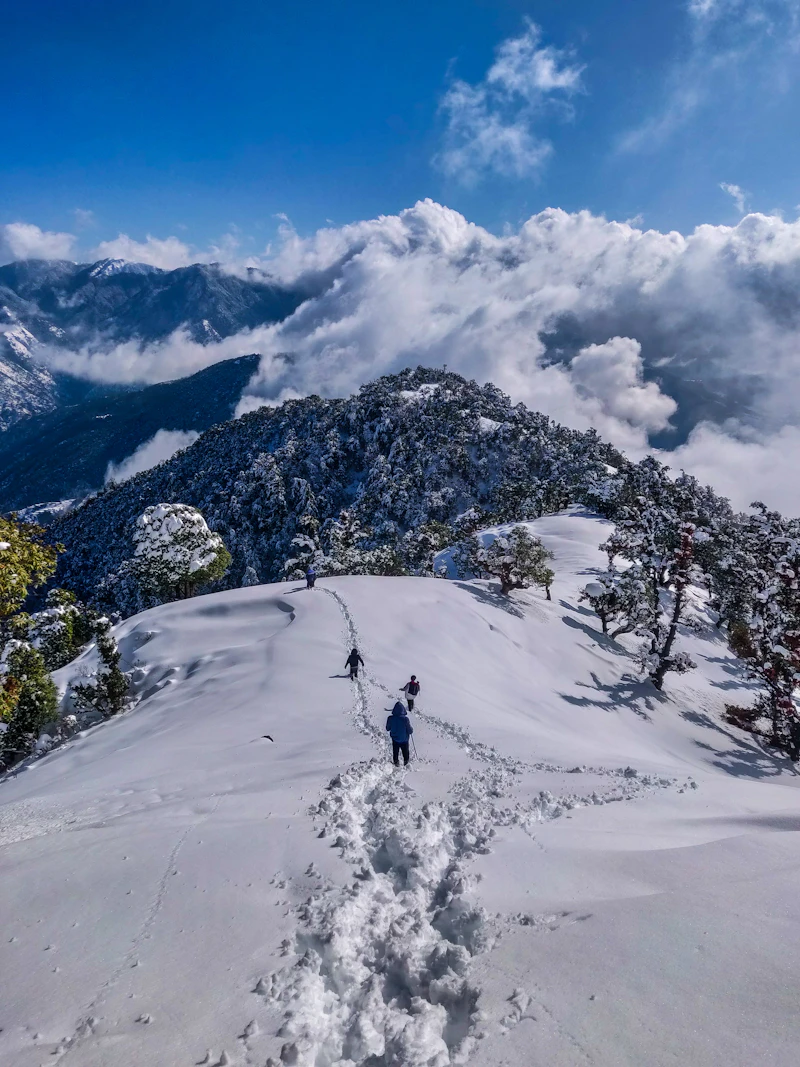
Choose from our curated Gangotri packages covering pilgrimage tours, glacier treks, and Char Dham combinations. All packages include experienced guides and seamless arrangements for a worry-free spiritual and adventure journey.
 Bestseller
Gangotri Dham Pilgrimage
Accommodation | Meals | Transport from Dehradun | Temple Guide | Sightseeing
 Adventure
Gaumukh Glacier Trek
Camping Equipment | All Meals | Trek Guide | Porter | Permits | First Aid
 Epic
EpicGangotri-Gaumukh-Tapovan Trek
All Camping Gear | Meals | Expert Guide | Porters | Permits | Transport
PopularChar Dham Yatra (Gangotri + Yamunotri)
Accommodation | All Meals | Transport | Temple Assistance | Ponies at Yamunotri
ChallengingKedartal Trek from Gangotri
Camping Equipment | All Meals | Guide & Porter | Permits | First Aid Kit
Gangotri Photo Gallery
Gangotri TempleGaumukh GlacierTapovan Meadow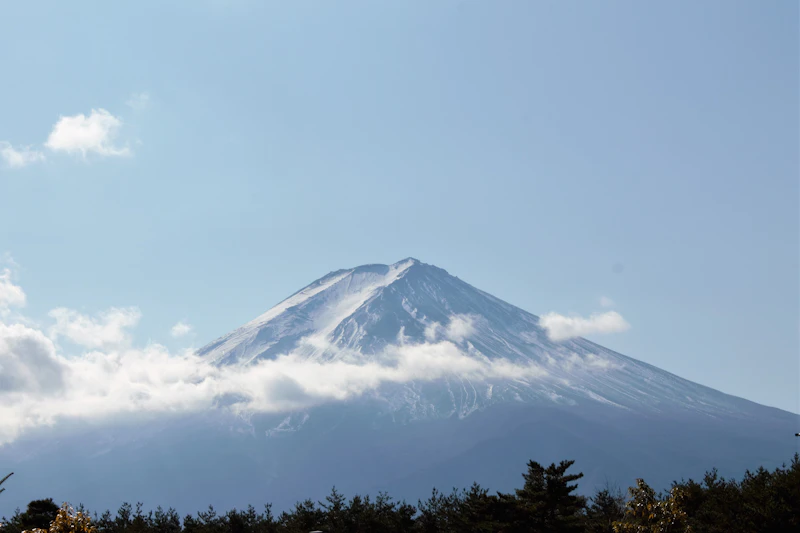 Bhagirathi River ValleyHarsil ValleySnow-capped Himalayan Peaks
Frequently Asked Questions
The Gangotri Temple opens on the auspicious day of Akshaya Tritiya, which usually falls in late April or early May. It closes on Diwali day in October or November. The exact dates are decided by the temple committee based on the Hindu calendar. During closure, the idol is moved to Mukhba village near Harsil, where winter worship continues.
The Gaumukh trek is rated moderate to challenging. It covers 18 km one way from Gangotri Temple to the glacier snout at 3,892m. The trail is well-defined but involves steady altitude gain, rocky terrain near the glacier, and river crossings. Prior trekking experience and reasonable fitness are recommended. Most trekkers complete it in 2 days with an overnight stay at Bhojbasa (14 km from Gangotri). A permit is mandatory.
Yes, a permit is mandatory for the Gaumukh trek as the area falls under the eco-sensitive zone. Indian nationals pay Rs. 150 and foreign nationals pay Rs. 600. Permits can be obtained from the District Magistrate's office in Uttarkashi or applied for online through the Uttarakhand Forest Department website. Only 20 persons are allowed per day to minimize environmental impact.
The best months for Gangotri pilgrimage are May-June and September-October. May and June offer pleasant weather (4°C to 20°C) with clear skies and the temple freshly opened. July-August brings heavy monsoon rains and landslide risks. September-October has post-monsoon clarity with stunning autumn colors, though nights get cold. The temple closes in November, so plan accordingly.
Gangotri holds immense religious significance as the place where River Ganga descended from heaven to Earth. According to mythology, King Bhagirath performed severe penance here to bring Ganga down to liberate the souls of his ancestors (sons of King Sagar). Lord Shiva received the mighty river in his locks to break her fall. The Bhagirathi Shila rock near the temple marks the exact spot of his meditation.
From Gangotri: Yamunotri is approximately 227 km (9-10 hours via Uttarkashi and Barkot), Kedarnath is approximately 460 km (15-16 hours via Uttarkashi, Rudraprayag, and Guptkashi), and Badrinath is approximately 480 km (16-17 hours via Uttarkashi and Joshimath). Most Char Dham Yatra itineraries follow the sequence: Yamunotri, Gangotri, Kedarnath, Badrinath.
The Submerged Shivling is a natural rock formation in the Bhagirathi River downstream from the Gangotri Temple that resembles a Shiva Lingam. During summer months (May-October) when water levels are high, it remains submerged. In winter (November-April), as the river flow reduces, the Shivling becomes visible above water. Devotees consider its winter appearance highly sacred and auspicious.
No. The road to Gangotri (NH-108 from Uttarkashi) is typically open only from May to November, coinciding with the temple season. During winter (December-April), heavy snowfall blocks the road beyond Lanka (about 25 km before Gangotri). The road from Uttarkashi to Gangotri is narrow and winding, and may also be temporarily closed during monsoon due to landslides.
Essentials include: warm layers (even in summer, mornings and evenings are cold), a waterproof jacket, sturdy trekking shoes, thermal innerwear, woolen socks, gloves, cap, sunscreen SPF 50+, sunglasses, lip balm, personal medicines, torch/headlamp, and a reusable water bottle. For Gaumukh trek, add a sleeping bag, trekking poles, and high-energy snacks. Carry cash as ATMs are only available in Uttarkashi.
There are NO ATMs in Gangotri. The nearest ATMs are in Uttarkashi (100 km away). Carry sufficient cash (Rs. 5,000-10,000 recommended). Mobile network is extremely limited - BSNL has the best coverage with intermittent signals. Jio and Airtel barely work. There is no reliable internet at Gangotri. Harsil has slightly better connectivity. Inform family before you go as communication will be difficult.
Tapovan is a high-altitude meadow at 4,463m located above the Gaumukh Glacier. It offers spectacular close-up views of the Shivling peak (6,543m) and is considered a place of deep spiritual energy where sadhus meditate. To reach Tapovan, you first trek to Gaumukh (18 km) and then climb another 6 km over the glacier moraine. The glacier crossing can be tricky and a guide is essential. The total trek takes 3-4 days from Gangotri.
Yes, Gangotri Temple is accessible by road, so elderly pilgrims can visit without trekking. Vehicles go right up to the town, and the temple is a short walk from the parking area. The approach has some steps but is manageable for most people. However, the Gaumukh trek is not recommended for elderly visitors without good fitness. For the temple darshan, palki (palanquin) services are available for those with mobility issues.
Gangotri has numerous small dhabas and restaurants serving simple vegetarian food. Non-vegetarian food and alcohol are strictly prohibited in the area as it is a sacred pilgrimage zone. Common dishes include dal-chawal, roti-sabzi, rajma-chawal, Maggi noodles, paranthas, and chai. Food at Bhojbasa (en route to Gaumukh) is limited to basic dal-rice and chapatis. Carry energy bars and dry fruits for treks.
Harsil Valley, 25 km before Gangotri, has fascinating history. British officer Frederick Wilson settled here in the 1800s, married a local Garhwali woman, and became a timber merchant. The valley was beloved by the British for its cedar forests and trout-filled streams. The movie Sholay's famous song "Yeh Dosti" was shot near here at Dharali. Today, Harsil is famous for Rajma (kidney beans) and apple orchards.
In the traditional Char Dham Yatra, Gangotri is the second stop after Yamunotri. The prescribed sequence is: Yamunotri (source of Yamuna), Gangotri (source of Ganga), Kedarnath (Lord Shiva), and Badrinath (Lord Vishnu), moving west to east. This order follows the geographical convenience and the Hindu tradition of visiting the origins of sacred rivers before the main shrines.
Bhojbasa is a camping ground at 3,792m, located 14 km from Gangotri on the Gaumukh trek route. It serves as the overnight halt for most trekkers. GMVN operates a basic tourist rest house here with dormitory beds (Rs. 800-1,500) and simple meals (dal-rice, chapati). Advance booking through GMVN is recommended during peak season (May-June). Private camping is allowed with permits. Night temperatures can drop below freezing.
No, trekking to Gaumukh during monsoon (July-August) is highly risky and not recommended. The trail becomes slippery with loose rocks, the river swells dangerously, and there is significant landslide and flash flood risk. The glacier moraine becomes unstable. Even the road to Gangotri may be blocked. Always trek in May-June or September-October when conditions are stable and visibility is good.
Medical facilities at Gangotri are extremely basic. There is a small government dispensary that handles minor ailments. For any serious medical emergency, patients need to be evacuated to Uttarkashi District Hospital (100 km, 3-4 hours) or Dehradun (229 km). Carry personal medicines, altitude sickness tablets (Diamox), basic first aid kit, and consider travel insurance with emergency evacuation coverage. The nearest well-equipped hospital is in Dehradun.