About Kausani - The Switzerland of India
Perched on a narrow ridge at 1,890 metres in the Bageshwar district of Uttarakhand, Kausani is a tranquil hill station that has captivated travellers for over a century with its extraordinary 300-kilometre panoramic view of the snow-capped Himalayan range. Mahatma Gandhi, who spent fourteen transformative days here in 1929, was so enchanted by the vista that he called Kausani the "Switzerland of India" - a title it has worn with quiet grace ever since.
Unlike bustling hill stations such as Nainital or Mussoorie, Kausani has deliberately preserved its unhurried charm. The town unfolds along a crescent-shaped ridge flanked by the Someshwar valley on one side and the Kosi and Garur valleys on the other, with the mighty peaks of Nanda Devi, Trishul, and Panchachuli forming an ever-present backdrop. Dense pine and deodar forests drape the hillsides, while terraced fields of rice and wheat cascade down the slopes in a patchwork of green and gold.
Kausani's attractions extend well beyond its views. The Kausani Tea Estate, one of India's highest tea gardens, produces a distinctive organic orthodox tea. Anasakti Ashram preserves the spiritual atmosphere where Gandhi wrote his commentary on the Bhagavad Gita. The nearby Baijnath Temple stands as a masterwork of 13th-century North Indian architecture. Together, these elements make Kausani an ideal destination for those seeking a meaningful connection with nature, history, and Himalayan culture.
300 km Himalayan Panorama
Nanda Devi, Trishul & Panchachuli views
Gandhi's Switzerland
Named by Mahatma Gandhi in 1929
High-Altitude Tea Gardens
Organic orthodox tea at 1,800m+
Heritage & Spirituality
Ancient temples & ashrams
Anasakti Ashram - Gandhi's Kausani Legacy
Mahatma Gandhi visited Kausani in 1929 and stayed here for 14 days. So captivated was he by the Himalayan scenery that he called Kausani the "Switzerland of India." During his stay, Gandhi wrote his commentary on the Bhagavad Gita titled "Anasakti Yoga" (The Yoga of Detachment), after which the ashram is named.
Museum with Gandhi's photographs, letters, and personal belongings
Prayer hall where Gandhi meditated with Himalayan views
Library with extensive collection on Gandhian philosophy
Simple rooms available for visitors seeking spiritual retreat
The ashram maintains the same austere atmosphere Gandhi experienced
Visitor Information
- Timings: 7:00 AM - 7:00 PM (All days)
- Entry Fee: Free
- The ashram terrace is the most popular sunrise viewpoint in Kausani
- Simple accommodation is available for visitors on a donation basis
- Maintain silence and respect the meditative atmosphere during your visit
Kausani Tea Estate - Himalayan Tea Experience
The Kausani Tea Estate, managed by the Uttarakhand Tea Development Board, is one of the most uniquely situated tea gardens in the world. Established in the 1960s, the estate sprawls across 210 hectares at elevations between 1,800 - 2,000 meters. The combination of altitude, clean mountain air, and mineral-rich soil produces an organic orthodox tea with a delicate floral character found in no other Indian tea.
What the Tea Estate Tour Includes
One of the highest tea gardens in India
Produces organic orthodox tea with a distinct Himalayan flavour
Guided tours through lush green tea plantations
On-site factory where visitors watch tea processing
Tasting lounge with freshly brewed Kausani tea varieties
Tea shop selling premium loose-leaf tea and gift packs
Tea Estate Tips
- Visit between 9 AM and 3 PM for the best guided tour experience
- The estate is closed on Sundays; plan accordingly
- Buy tea directly from the estate shop for the freshest quality and best prices
- Photography is allowed throughout the plantations
- The best tea-plucking season is March to May for the first flush
Panoramic Himalayan Views from Kausani
Kausani's defining feature is its unmatched 300-kilometre panoramic view of the Himalayan range - one of the widest mountain panoramas accessible from any Indian hill station. On clear mornings, the entire snow-capped horizon stretches from Chaukhamba in the west to Panchachuli in the east, with over a dozen major peaks visible simultaneously. The sunrise here, when the first golden light transforms the white peaks into shades of pink, orange, and crimson, is considered one of the most spectacular natural displays in the Indian Himalayas.
Nanda Devi
7,816mDistance: ~90 km
India's second highest peak, dominates the eastern skyline from Kausani
Trishul
7,120mDistance: ~70 km
Trident-shaped peak sacred to Lord Shiva, strikingly visible at sunrise
Panchachuli
6,904mDistance: ~130 km
Five peaks resembling five cooking hearths of the Pandavas
Nanda Kot
6,861mDistance: ~85 km
Fortress of Nanda Devi, a magnificent standalone peak
Other Visible Peaks
Places to Visit in & Around Kausani
Kausani and its surroundings offer a rich tapestry of attractions spanning spiritual heritage, natural wonders, literary history, and mountain trekking. From Gandhi's ashram to ancient temples and scenic waterfalls, each spot tells a different story of this remarkable corner of the Kumaon hills.
 Must Visit
Anasakti Ashram (Gandhi Ashram)
Historical & Spiritual0.5 km from town centre
Where Mahatma Gandhi spent 14 days in 1929 and wrote his commentary on the Bhagavad Gita. Houses a museum with Gandhi's photographs, letters, and personal items. The terrace offers the most celebrated sunrise view in Kausani.
 Must Visit
Kausani Tea Estate
Plantation & Factory2 km from town centre
One of the highest tea gardens in India spread across 210 hectares. Guided tours cover the full tea production cycle from plucking to processing. The tasting lounge serves freshly brewed organic orthodox tea.
Must VisitBaijnath Temple
Ancient Temple17 km from Kausani
A masterpiece of 13th-century North Indian temple architecture on the banks of the Gomti River. Built in 1204 AD, the temple houses an exquisite Shiva lingam and features intricately carved stone panels depicting scenes from Hindu mythology.
Must VisitRudradhari Falls & Temple
Waterfall & Temple12 km from Kausani
A picturesque waterfall cascading through dense deodar and pine forests into a natural pool. An ancient Shiva temple near the falls adds spiritual significance. The forest trail leading here is ideal for nature walks.
Sumitranandan Pant Gallery
Literary Museum1 km from town centre
Housed in the ancestral home of celebrated Hindi poet Sumitranandan Pant, this gallery displays his handwritten manuscripts, personal effects, photographs, and awards including the prestigious Jnanpith Award.
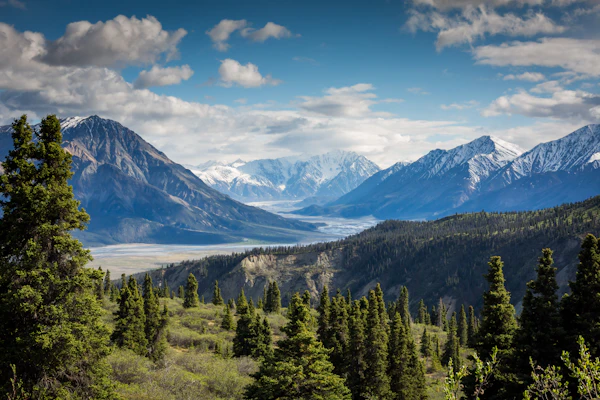
Pinnath
Trekking & Viewpoint8 km trek from Kausani
A hilltop temple reached via a moderate trek through pine forests and terraced farmlands. The summit rewards trekkers with a breathtaking 360-degree panorama of Himalayan peaks and the Someshwar valley below.
Lakshmi Ashram
Ashram & Social Centre1 km from town centre
Founded by Sarala Behn, a disciple of Gandhi, this ashram empowers rural women and tribal communities through education and skill development. Visitors can learn about Kumaoni handicrafts and support community initiatives.
Must VisitKausani Sunrise Viewpoint
Scenic Viewpoint0.5 km from town centre
The ridge-top viewpoint offering an unbroken 300-kilometre panorama of the snow-capped Himalayan range. Visible peaks include Nanda Devi, Trishul, Panchachuli, and Nanda Kot. Best visited at dawn for the spectacular sunrise.
Bageshwar
Pilgrimage Town38 km from Kausani
A sacred town at the confluence of the Gomti and Saryu rivers, home to the ancient Bagnath Temple dedicated to Lord Shiva. Bageshwar serves as a gateway to the Sunderdhunga and Pindari glacier treks and hosts the famous Uttarayani Fair in January.
Kumaoni Food & Local Cuisine of Kausani
The cuisine of the Kumaon hills is a revelation for food lovers seeking authentic regional flavours. Shaped by the mountain climate, locally available ingredients, and centuries of culinary tradition, Kumaoni food is hearty, nutritious, and deeply satisfying. Kausani, being at the heart of the Kumaon region, is an excellent place to experience these distinctive flavours that are rarely found in restaurants outside the hills.
Baal Mithai
SweetThe iconic Kumaoni sweet made from roasted khoya (reduced milk) coated with white sugar balls. Distinct chocolate-like appearance with a unique caramelised flavour found nowhere else in India.
Must TrySingodi
SweetA traditional sweet prepared from grated coconut and khoya, wrapped in a maalu (a broad local leaf). The leaf imparts a subtle forest aroma to the sweet, making it a memorable taste experience.
Must TryBhatt ki Churkani
Main CourseA protein-rich curry made from local black beans (bhatt), slow-cooked with garlic, ginger, and regional spices. This hearty dish is traditionally served with steamed rice and is a winter staple in Kumaoni households.
Must TryAloo ke Gutke
Side DishBoiled potatoes tempered with mustard seeds, cumin, coriander leaves, red chillies, and a squeeze of lemon. This seemingly simple preparation showcases the brilliance of Kumaoni home cooking with its flavour depth.
Must TryKafuli
Main CourseA spinach-like preparation made from locally foraged palak and fenugreek greens, cooked slowly with rice paste for thickness. Rich in iron and vitamins, it is the everyday comfort food of the Kumaon hills.
Chainsoo
Lentil DishRoasted black gram dal ground on a stone slab and cooked into a thick, smoky curry. The roasting process gives this dal a distinctive nutty flavour that sets it apart from any other lentil preparation.
Dubuk
Main CourseA thick, wholesome curry made from mixed lentils and beans cooked with local herbs and spices. Nutritious and filling, it is often prepared during festivals and served with mandua (finger millet) roti.
Kausani Organic Tea
BeverageFreshly brewed from leaves grown at the high-altitude Kausani Tea Estate. The orthodox processing method produces a light, fragrant liquor with floral notes distinct from plains-grown teas. Best enjoyed without milk.
Must TryWhere to Eat in Kausani
- Local dhabas near the main market serve the most authentic Kumaoni food
- Baal Mithai and Singodi are best purchased from shops in the Almora market (53 km)
- Request Kumaoni thali at your hotel for a curated regional meal experience
- Try the freshly brewed Kausani tea at the Tea Estate tasting lounge
- Homestays offer the most genuine home-cooked Kumaoni meals
Kausani Weather & Best Time to Visit
Kausani enjoys a temperate climate through much of the year, with warm summers, a distinct monsoon season, and cool winters. The town's position at 1,890 metres provides relief from plains heat without the extreme cold of higher-altitude destinations. Understanding seasonal patterns will help you choose the perfect time based on whether you prioritise clear mountain views, pleasant weather, or lush greenery.
| Month | Min Temp | Max Temp | Rainfall | Condition | Recommended |
|---|---|---|---|---|---|
| January | 2°C | 10°C | Minimal | Cold Winter - Clear Skies | No |
| February | 4°C | 13°C | Minimal | Late Winter - Crisp Mornings | No |
| March | 7°C | 18°C | Light | Early Spring - Warming Up | Yes |
| April | 11°C | 23°C | Light | Spring Bloom - Pleasant Weather | Yes |
| May | 14°C | 27°C | Light | Peak Summer - Clear Views | Yes |
| June | 17°C | 30°C | Moderate | Pre-Monsoon - Warm Days | Yes |
| July | 18°C | 25°C | Heavy | Monsoon - Heavy Rainfall | No |
| August | 17°C | 24°C | Heavy | Monsoon Peak - Lush Green | No |
| September | 14°C | 23°C | Moderate | Post Monsoon - Clearing Skies | Yes |
| October | 10°C | 21°C | Minimal | Autumn - Crystal Clear Views | Yes |
| November | 5°C | 17°C | Minimal | Early Winter - Stunning Sunsets | Yes |
| December | 2°C | 12°C | Minimal | Winter - Cold but Clear | No |
Spring & Summer: March - June
The most popular time to visit with pleasant temperatures from 7°C to 30°C. Clear skies offer stunning Himalayan views, especially in the early mornings. Ideal for sightseeing, trekking, and tea estate visits.
Autumn: September - November
Post-monsoon clarity provides the best mountain visibility of the year. October and November offer crystal-clear 300 km panoramic views. Temperatures are comfortable between 5°C and 23°C with minimal rainfall.
Monsoon: July - August
Heavy rainfall and cloud cover obscure the Himalayan views that are Kausani's primary attraction. Roads can be affected by landslides. Best avoided unless you specifically seek lush monsoon greenery.
How to Reach Kausani
Kausani is accessible by road from major North Indian cities. While there is no direct rail or air connection, the scenic journey through the Kumaon hills is part of the experience, passing through charming towns, river valleys, and pine-forested mountains.
By Air
Airport: Pantnagar Airport (Naini Saini)
Distance: 178 km from Kausani
Duration: 5-6 hours by road
Airlines: IndiGo, Air India Regional
Tip: Limited flights; Dehradun (330 km) is an alternative with more options
By Train
Station: Kathgodam Railway Station
Distance: 142 km from Kausani
Duration: 4-5 hours by road
Trains: Ranikhet Express, Uttarakhand Sampark Kranti, Kathgodam Shatabdi
Tip: Kathgodam is the nearest railhead; shared taxis and buses available
By Road - Route Options
From Delhi
420 km10-12 hoursRoute: Moradabad - Haldwani - Almora - Kausani
From Kathgodam
142 km4-5 hoursRoute: Bhimtal - Almora - Kausani
From Almora
53 km2 hoursRoute: Someshwar - Kausani
From Nainital
117 km4 hoursRoute: Almora - Someshwar - Kausani
Local Transport in Kausani
Local Taxi
Availability: As needed
Best for sightseeing; negotiate full-day rates
Shared Jeep
Availability: Fixed routes
Available to Baijnath, Bageshwar, Almora
Where to Stay in Kausani
Kausani offers accommodation ranging from government-run KMVN properties and premium resorts to charming homestays that provide authentic Kumaoni hospitality. Most lodgings are positioned along the main ridge road, ensuring that Himalayan views are accessible from almost every hotel in town.
Government (KMVN)
KMVN Tourist Rest House
GovernmentKMVN Pine Resort
GovernmentPremium Resorts & Hotels
The Retreat Kausani
Boutique ResortKrishna Mountview
Heritage HotelKausani Best Inn
HotelBudget & Homestays
Garden Resort Kausani
Budget ResortKausani Homestays
HomestayUttarakhand Cottage Kausani
CottageAccommodation Tips
- Book well in advance for peak season (October-November and May-June)
- Request a mountain-facing room for sunrise views from your bed
- KMVN properties offer solid value with reliable hot water and food
- Homestays provide the warmest experience and the best home-cooked Kumaoni food
- Winter visitors should confirm room heating is available before booking
Kausani Tour Packages 2026
Choose from our thoughtfully designed Kausani packages, from quick weekend escapes to heritage circuits covering the best of the Kumaon hills. Every package includes carefully selected experiences to ensure you discover the full breadth of what Kausani has to offer.
 Bestseller
Kausani Sunrise Retreat
Accommodation | Breakfast & Dinner | Sightseeing | Transport from Kathgodam
 Popular
Kumaon Heritage Circuit
Accommodation | All Meals | Transport | Guide | Temple Visits
TrendingKausani Nature & Tea Trail
Hotel Stay | All Meals | Tea Tasting | Guide | Transport
RomanticKausani Honeymoon Special
Premium Resort | All Meals | Spa | Private Car | Flower Decoration
Quick TripKausani Weekend Escape
Hotel Stay | Breakfast & Dinner | Local Sightseeing | Transport
Kausani Photo Gallery
Himalayan Sunrise from KausaniSnow-capped Peaks Panorama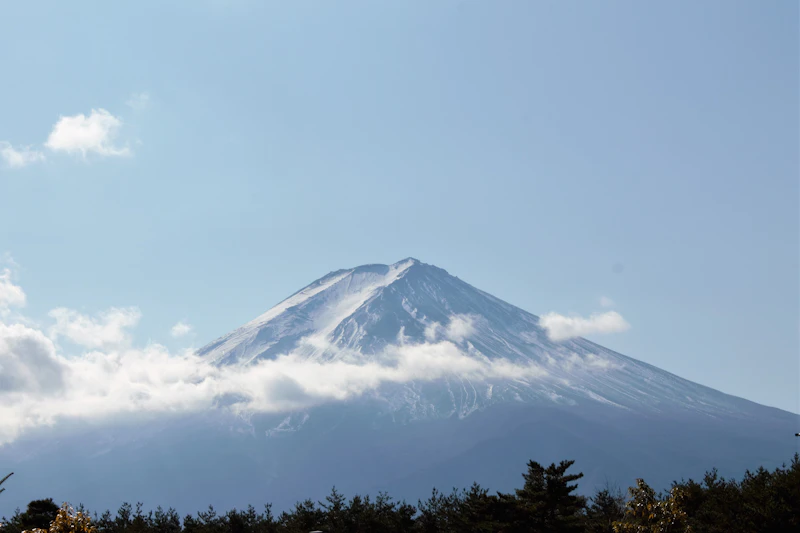 Pine Forest Trails
 Terraced Fields & Valley
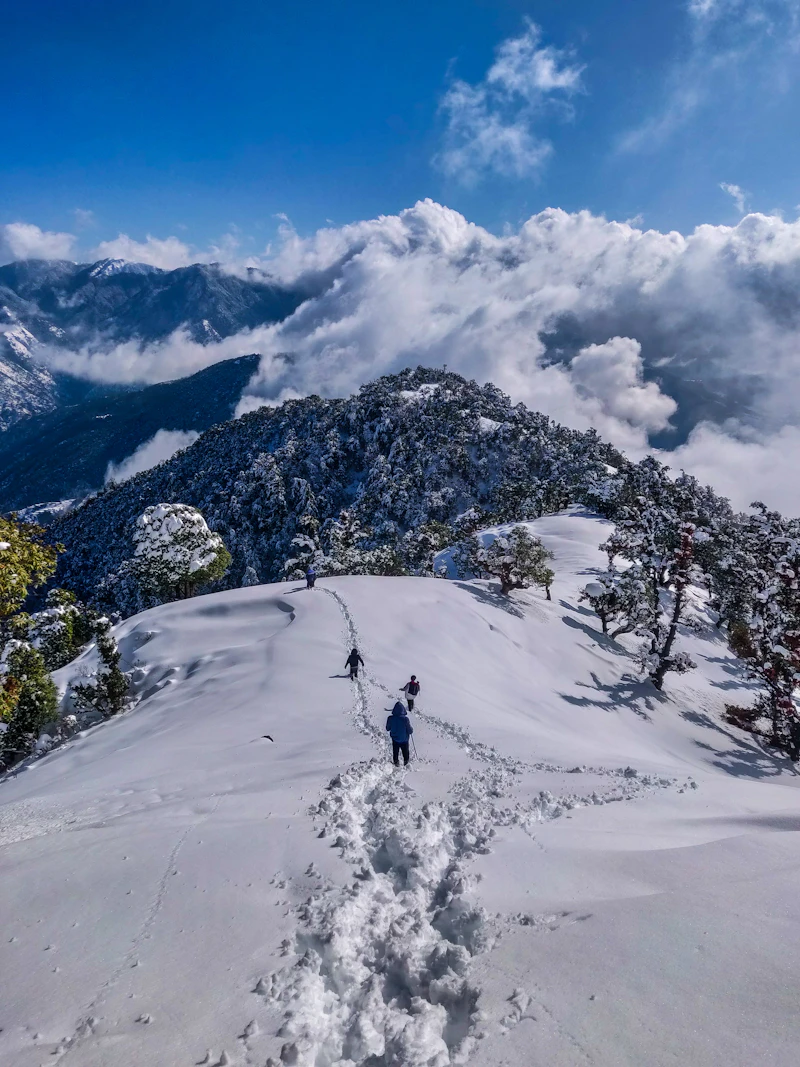 Kausani Tea GardensMountain Evening Glow
Frequently Asked Questions
Mahatma Gandhi bestowed this title upon Kausani during his 14-day stay in 1929 at Anasakti Ashram. He was deeply moved by the spectacular 300-kilometre panoramic view of the snow-capped Himalayan range, including peaks like Nanda Devi, Trishul, and Panchachuli. The lush pine forests, terraced fields, and serene atmosphere reminded him of the Swiss Alps. The comparison has endured because Kausani offers an unmatched combination of mountain grandeur and pastoral charm that genuinely evokes an Alpine sensibility without the commercialisation.
The clearest Himalayan views from Kausani are available during October and November, when post-monsoon skies are washed clean and visibility can extend over 300 kilometres. March to May is another excellent window with bright mornings before afternoon clouds build. Early mornings between 5:30 and 7:00 AM offer the most stunning sunrise views. Winter months of December and January also provide crystal-clear skies, though temperatures drop to near freezing. Monsoon months from July through mid-September bring clouds that often obscure the peaks entirely.
Kausani is approximately 420 kilometres from Delhi, requiring 10 to 12 hours by road depending on traffic and road conditions. The most common route passes through Moradabad, Haldwani, Almora, and then Kausani. Alternatively, take a train to Kathgodam station (142 km from Kausani, about 4 to 5 hours by road) or fly to Pantnagar Airport (178 km away). From Kathgodam, shared taxis and state transport buses are readily available. Many travellers prefer an overnight journey, departing Delhi by evening and arriving in Kausani by morning.
Mahatma Gandhi visited Kausani in 1929 and stayed at what is now known as Anasakti Ashram for fourteen days. During this deeply reflective period, inspired by the tranquil beauty of the Himalayas, he wrote his celebrated commentary on the Bhagavad Gita titled "Anasakti Yoga" meaning The Yoga of Detachment. The ashram preserves his photographs, letters, and personal items. Gandhi's daily routine included morning prayers facing the mountains, spinning on his charkha, and writing. His profound experience at Kausani led him to declare it the Switzerland of India.
The Kausani Tea Estate, managed by the Uttarakhand Tea Development Board, is absolutely worth a visit. Spread across 210 hectares at elevations between 1,800 and 2,000 metres, it is one of India's highest tea gardens. The guided tour takes you through emerald-green tea plantations with a Himalayan backdrop, followed by a visit to the processing factory where you witness plucking, withering, rolling, and drying stages. The tasting lounge offers freshly brewed varieties, and the on-site shop sells premium organic tea at prices lower than retail. The entire visit takes about two hours.
Kausani and the Kumaon region offer distinctive culinary experiences. Baal Mithai is the signature sweet, made from roasted khoya coated with sugar balls, and tastes unlike any other Indian confection. Singodi is a sweet wrapped in maalu leaf made from grated coconut and khoya. For savoury dishes, try Bhatt ki Churkani, a black bean curry rich in protein, and Aloo ke Gutke, a spiced potato preparation with local herbs. Kafuli, a spinach-like dish made with local greens, and Chainsoo, a lentil preparation, are also highly recommended. Local dhabas near the main market serve these authentically.
A minimum of two to three days is recommended for a satisfying Kausani experience. On day one, witness the famous sunrise over the Himalayan range and visit Anasakti Ashram and the Sumitranandan Pant Gallery. Day two can be dedicated to the Kausani Tea Estate and Rudradhari Falls with nature walks. A third day allows an excursion to Baijnath Temple (17 km away) and the Pinnath trek. If you want to include nearby Almora or Bageshwar, extend your stay by one or two more days. The beauty of Kausani lies in its unhurried pace, so avoid cramming too much into each day.
Kausani is considered one of the safest hill stations in Uttarakhand for all travellers including solo women. The local Kumaoni population is known for warm hospitality and helpfulness. Crime rates are extremely low, and the small-town atmosphere means most people are familiar with each other. Homestays provide a particularly safe and welcoming environment. However, standard travel precautions apply: inform your hotel about your day plan, avoid isolated trails after dark, and keep emergency numbers handy. Mobile connectivity is available through BSNL and Jio though signal can be patchy in valleys.
Rudradhari Falls is a scenic waterfall located approximately 12 kilometres from Kausani town, near the Adi Badri road. The falls cascade through dense forest into a natural pool, making it a refreshing stop during warmer months. The trek to the falls passes through pine and deodar forests and is moderately easy, suitable for most fitness levels. An ancient Shiva temple sits near the falls, adding spiritual significance to the visit. The best time to visit is from March to June when water flow is steady, and September to November after the monsoon refreshes the cascade. Plan about half a day for the round trip.
Baijnath Temple, located 17 kilometres from Kausani on the banks of the Gomti River, is one of the finest examples of early medieval North Indian temple architecture. Built in 1204 AD by local merchants Ahuka and Manyuka, it houses a beautiful Shiva lingam and is believed to be one of the twelve Jyotirlingas by some traditions. The temple complex features intricate stone carvings depicting scenes from Hindu mythology, with exceptional detail preserved over eight centuries. The riverside setting with mountain views makes it architecturally and spiritually remarkable. Entry is free and the temple is active with daily worship ceremonies.
Kausani offers several trekking opportunities for varying fitness levels. The Pinnath trek (8 km, moderate) takes you to a hilltop temple with outstanding 360-degree Himalayan views. The Rudradhari Falls trail (12 km round trip, easy) passes through dense forests. For a more challenging adventure, the Sunderdhunga Valley trek (multi-day) leads to glacial lakes beneath towering peaks. The Kafni Glacier trek (6 days) starts from nearby Bageshwar. Even within Kausani, walking trails through pine forests and terraced farmlands offer gentle exploration. Local guides can be arranged through hotels or the KMVN office for longer treks.
Sumitranandan Pant (1900 to 1977) was one of the four pillars of modern Hindi poetry, part of the Chhayavaad movement alongside Jaishankar Prasad, Mahadevi Verma, and Suryakant Tripathi Nirala. Born in Kausani, his poetry drew profound inspiration from the natural beauty surrounding him. The Sumitranandan Pant Gallery, housed in his ancestral home, displays his handwritten manuscripts, personal effects, awards including the Jnanpith Award, and photographs documenting his literary journey. The gallery provides fascinating insight into how Kausani's landscape shaped one of India's greatest Hindi poets. Entry is free and visiting takes about one hour.
At 1,890 metres above sea level, Kausani presents virtually no altitude sickness risk for the vast majority of travellers. Altitude sickness typically begins affecting people above 2,500 metres, so Kausani sits well below the danger zone. However, some visitors from plains may experience mild breathlessness during steep uphill walks, which is normal adjustment rather than altitude sickness. Stay hydrated, avoid heavy exertion on the first day, and limit alcohol intake during your initial hours. People with pre-existing respiratory or cardiac conditions should consult their physician before visiting any hill station.
Kausani has limited banking infrastructure. There are one or two ATMs in the main market area, primarily from State Bank of India and Punjab National Bank, but they can run out of cash during peak tourist season. It is strongly advisable to carry sufficient cash from Almora or Haldwani. For mobile networks, BSNL provides the most reliable coverage throughout Kausani. Jio works in most areas of the main town. Airtel and Vodafone-Idea have inconsistent connectivity. Most hotels offer Wi-Fi, though speeds are moderate. Consider downloading offline maps before arriving as internet-dependent navigation can be unreliable.
The most iconic sunrise point in Kausani is the viewing terrace at Anasakti Ashram, which offers an unobstructed 300-kilometre panorama of the Himalayan range bathed in golden morning light. The KMVN Tourist Rest House lawn is another popular vantage point. For sunrise, arrive between 5:30 and 6:30 AM depending on the season. The best sunset views are from the western side of Kausani ridge, near the road towards Baijnath, where the sun descends behind rolling Kumaoni hills. The Pinnath hilltop also offers extraordinary sunrise views for those willing to undertake the early morning trek.
Pinnath is a hilltop location roughly 8 kilometres from Kausani town centre, crowned by a small temple dedicated to a local deity. The moderate trek ascends through terraced agricultural fields and dense pine forests, offering progressively wider views with each turn. At the summit, you are rewarded with a magnificent 360-degree panorama that includes the complete Himalayan range visible from Kausani plus sweeping views of the Someshwar valley below. The trek takes approximately 4 to 5 hours round trip and is best undertaken in the early morning for clear views. Carry water and light snacks as no shops exist along the trail.
Kausani offers a fundamentally different experience compared to Nainital or Mussoorie. While those towns are bustling commercial hill stations with malls, boating, and nightlife, Kausani is deliberately quiet and contemplative. Its primary draw is the unmatched 300-kilometre Himalayan panorama that neither Nainital nor Mussoorie can rival. There are no lake activities or cable car rides here. Instead, Kausani appeals to travellers seeking genuine mountain tranquillity, literary and spiritual heritage through the Gandhi Ashram and Pant Gallery, and the simple pleasure of watching snow peaks change colour at sunrise. Choose Kausani if you want peace over entertainment.
Packing for Kausani depends on the season. For summer visits from March to June, carry light woolens for evenings, comfortable walking shoes, sunscreen, sunglasses, and a hat. During winter from November to February, pack heavy woolens including a down jacket, thermal innerwear, woolen socks, gloves, and a warm cap since temperatures can drop to 2 degrees Celsius. Year-round essentials include a rain jacket or umbrella, a good camera with a telephoto lens for peak photography, a torch or headlamp, personal medications, and sufficient cash. Layered clothing works best as mornings and evenings are cool even in summer.