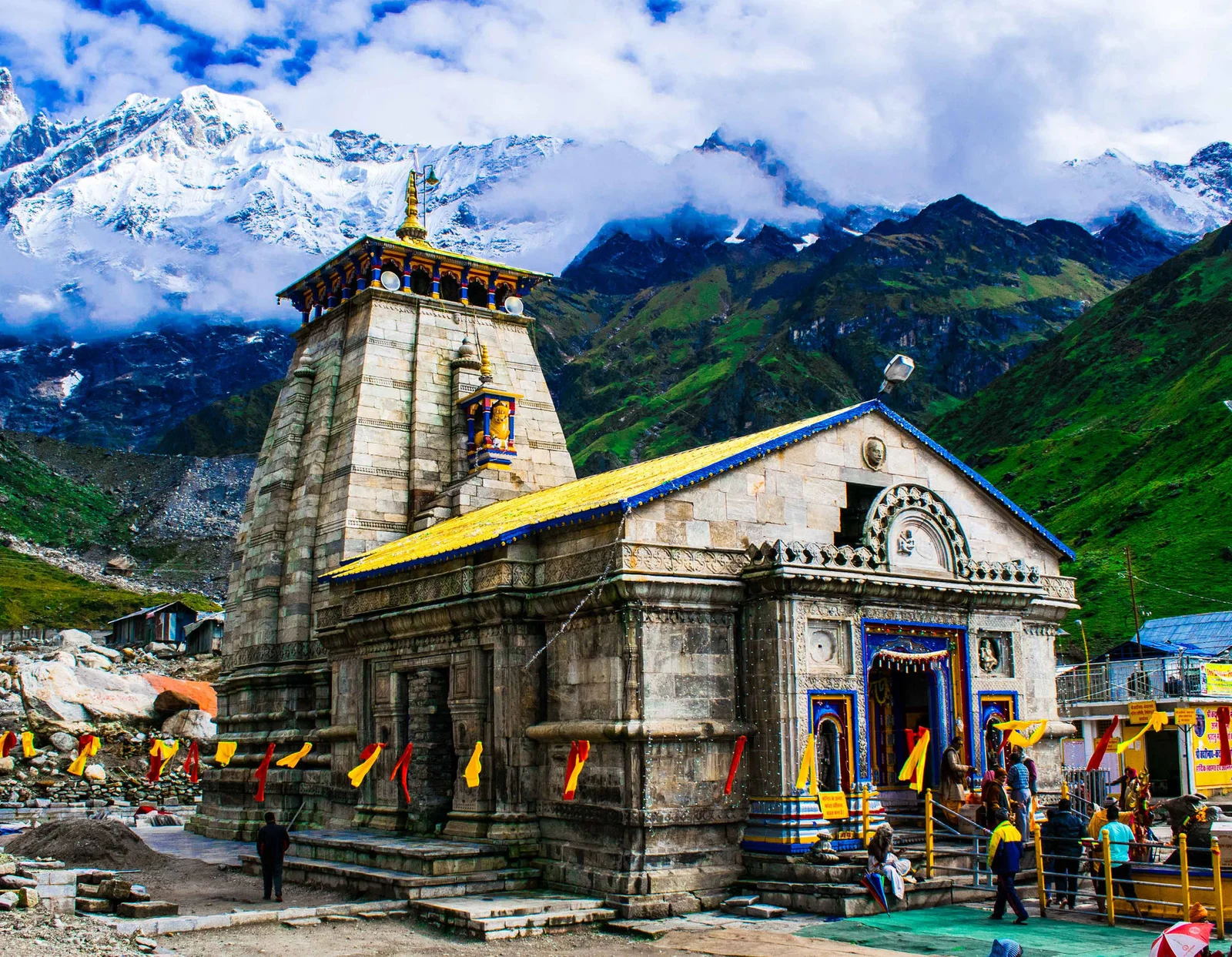
About Kedarnath Temple
Kedarnath Temple, situated at an altitude of 3,583 meters (11,755 ft) in the Garhwal Himalayan range near the Mandakini River, is one of the holiest Hindu temples dedicated to Lord Shiva. As one of the twelve Jyotirlingas (lingams of light), it holds immense religious significance for devotees worldwide.
The temple is believed to have been constructed by the Pandavas to atone for their sins after the Kurukshetra War. According to legend, Lord Shiva, avoiding the Pandavas, took the form of a bull and dived into the ground at Kedarnath, leaving his hump on the surface - which is worshipped as the Jyotirlinga today.
The current temple structure was restored by Adi Shankaracharya in the 8th century CE. Built with massive stone slabs, the temple has withstood centuries of harsh weather and even the devastating 2013 floods, which destroyed much of the surrounding area but left the temple largely intact - a miracle that strengthened the faith of millions.
1 of 12 Jyotirlingas
Sacred self-manifested lingam of Lord Shiva
Part of Char Dham
One of the four sacred pilgrimage sites
Panch Kedar Circuit
First among five Kedar temples
8th Century Temple
Restored by Adi Shankaracharya
History & Mythology
The Legend of Kedarnath
After the Mahabharata war, the Pandavas sought to atone for the sin of killing their own kinsmen (gotra hatya). They were advised to seek Lord Shiva's blessings, but Shiva, angry with them for the bloodshed, kept evading them by taking different forms.
At Kedarnath, Shiva disguised himself as a bull and mingled with a herd of cattle. Bhima, recognizing him, tried to catch the bull, but Shiva dived into the ground. Bhima managed to grab only the hump, while different parts of the bull appeared at four other locations - these five sites together form the Panch Kedar:
- Kedarnath: The hump (main temple)
- Tungnath: The arms
- Rudranath: The face
- Madhyamaheshwar: The navel
- Kalpeshwar: The hair
The Miraculous Survival in 2013
On June 16-17, 2013, unprecedented rainfall caused Chorabari Lake (Gandhi Sarovar) above the temple to burst, triggering devastating flash floods. The town was destroyed, claiming over 6,000 lives. However, a massive boulder diverted the main flow of debris, protecting the ancient temple. This miraculous survival reinforced faith in the divine protection of the shrine.
Kedarnath Trek Guide
The 16 km trek from Gaurikund to Kedarnath is one of the most popular pilgrimage treks in India. While challenging due to altitude and terrain, the well-maintained path and regular facilities make it accessible for most fitness levels.
Trek Route Breakdown
Gaurikund
1,982m0 kmTrek starting point. Hot water springs, small market for last-minute supplies.
Jungle Chatti
2,300m4 kmFirst rest point. Dense forest area with basic refreshment stalls.
Bhimbali
2,600m7 kmMidway point. Named after Bhima from Mahabharata. Good rest stop.
Linchauli
2,900m9 kmSmall settlement with basic amenities. Altitude starts affecting here.
Base Camp
3,300m14 kmLast major stop before Kedarnath. GMVN rest house available.
Kedarnath Temple
3,583m16 kmFinal destination. The sacred Jyotirlinga temple of Lord Shiva.
Trek Tips
- Start early morning (5-6 AM) to reach before dark
- Acclimatize for a day at Guptkashi/Sonprayag before trekking
- Walk at a steady pace; don't rush to avoid altitude sickness
- Stay hydrated; drink small sips of water frequently
- Carry glucose, dry fruits, and light snacks
- Use a walking stick for better balance
- Return trek is easier (4-5 hours) but don't rush
Kedarnath Helicopter Services 2026
For those unable to trek or short on time, helicopter services provide a convenient way to reach Kedarnath. Multiple operators run services from different helipads with varying prices and timings.
IRCTC Air
Helipad: Phata
Distance: 8 km from Kedarnath
Price: ₹7,500 - ₹8,500
Duration: 7 minutes
Capacity: 5-6 passengers
Booking: air.irctc.co.in
Uttarakhand Civil Aviation
Helipad: Guptkashi
Distance: 12 km from Kedarnath
Price: ₹6,000 - ₹7,000
Duration: 10 minutes
Capacity: 5 passengers
Booking: heliservices.uk.gov.in
Private Operators
Helipad: Sirsi/Phata
Distance: 8-10 km from Kedarnath
Price: ₹8,000 - ₹12,000
Duration: 7-10 minutes
Capacity: 4-6 passengers
Booking: Various agencies
Helicopter Booking Tips
- Book at least 1-2 weeks in advance during peak season (May-June)
- IRCTC bookings open 2-3 months before the season
- Keep weather flexibility - flights cancel in bad weather
- Carry only hand baggage (max 2-3 kg) on helicopter
- Morning slots (6-9 AM) have better weather conditions
- VIP darshan is included with helicopter tickets
Places to Visit in & Around Kedarnath
While the main temple is the primary attraction, several other sacred and scenic spots around Kedarnath offer enriching experiences for pilgrims and trekkers.
 Must Visit
Kedarnath Temple
Main Temple0 km
The ancient stone temple housing one of the 12 Jyotirlingas. Built in 8th century by Adi Shankaracharya over an older temple by Pandavas.
 Must Visit
Bhairav Temple
Temple500m from main temple
Dedicated to Bhairav, the fierce form of Shiva. Pilgrimage is incomplete without visiting this temple. Offers panoramic views.
 Must Visit
Shankaracharya Samadhi
Religious SiteBehind main temple
The final resting place of Adi Shankaracharya who restored the temple in 8th century. A place of deep spiritual significance.
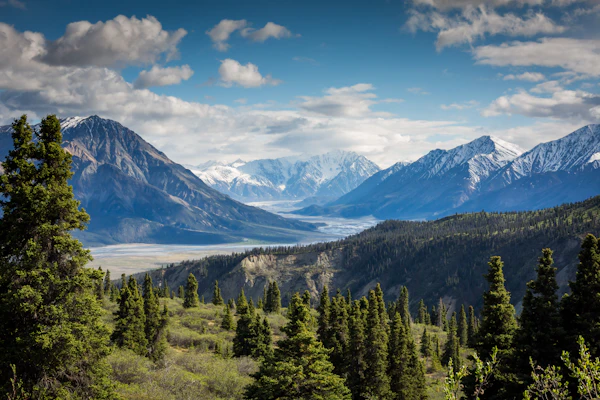
Gandhi Sarovar (Chorabari Tal)
Glacial Lake3 km trek from temple
Crystal clear glacial lake where Mahatma Gandhi's ashes were immersed. Stunning views of Kedarnath peak. Trek takes 2-3 hours.
Vasuki Tal
High Altitude Lake8 km trek from temple
Beautiful high altitude lake at 4,135m. Named after the serpent king. Challenging trek through meadows with Chaukhamba peak views.
Bhairav Jhamp
Viewpoint1 km from temple
A cliff with mythological significance. Offers breathtaking views of the valley and surrounding peaks. Sunrise views are spectacular.
Ukhimath
Temple Town41 km from Kedarnath
Winter seat of Kedarnath deity. The idol is brought here during winter months. Ancient Omkareshwar Temple is located here.
Triyuginarayan Temple
Mythological Site25 km from Sonprayag
Believed to be the wedding venue of Lord Shiva and Goddess Parvati. The eternal flame has been burning for ages.
Kedarnath Weather & Best Time to Visit
Kedarnath has an extreme climate with temperatures dropping below -15°C in winter. The temple opens only for 6 months (May to October/November). Planning your visit during the right season is crucial for a comfortable pilgrimage.
| Month | Min Temp | Max Temp | Rainfall | Condition | Recommended |
|---|---|---|---|---|---|
| January | -15°C | -2°C | 65mm | Temple Closed - Heavy Snow | ❌ No |
| February | -12°C | 0°C | 70mm | Temple Closed - Snow | ❌ No |
| March | -8°C | 5°C | 55mm | Temple Closed - Melting Snow | ❌ No |
| April | -3°C | 10°C | 40mm | Temple Opens Late April | ❌ No |
| May | 3°C | 15°C | 45mm | Peak Season - Pleasant | ✅ Yes |
| June | 7°C | 17°C | 120mm | Peak Season - Pre-Monsoon | ✅ Yes |
| July | 8°C | 15°C | 350mm | Monsoon - Risky Trek | ❌ No |
| August | 8°C | 15°C | 320mm | Monsoon - Landslide Risk | ❌ No |
| September | 5°C | 14°C | 150mm | Post Monsoon - Clear Skies | ✅ Yes |
| October | 0°C | 12°C | 35mm | Autumn - Best Weather | ✅ Yes |
| November | -5°C | 8°C | 15mm | Closing Season - Cold | ❌ No |
| December | -10°C | 2°C | 40mm | Temple Closed - Snow | ❌ No |
🌸 Best Time: May - June
Pleasant weather, clear skies, peak pilgrimage season. Temple freshly opened. Green landscapes.
🍂 Ideal: September - October
Post-monsoon clarity, fewer crowds, pleasant temperatures. Best for photography.
🌧️ Avoid: July - August
Heavy monsoon, landslide risks, trek can be dangerous. Helicopter preferred if visiting.
Where to Stay - Kedarnath Accommodation Guide
Accommodation options around Kedarnath range from basic dharamshalas to comfortable guest houses. Since options at Kedarnath itself are limited, many pilgrims prefer staying at Guptkashi or Sonprayag.
At Kedarnath
GMVN Tourist Rest House
GovernmentDharamshalas
ReligiousBSNL Guest House
GovernmentTented Camps
PrivateGuptkashi (30 km)
GMVN Guptkashi
GovernmentHotel Kedar
PrivateKedar Camp
ResortSonprayag (5 km from Gaurikund)
GMVN Sonprayag
GovernmentPrivate Hotels
PrivateAccommodation Tips
- Book GMVN accommodations at gmvnl.in - most reliable at Kedarnath
- During peak season, book 2-3 weeks in advance
- Dharamshalas offer budget options but basic facilities
- Carry your own blanket/sleeping bag for extra warmth
- Guptkashi has better options if comfort is priority
Kedarnath Yatra Registration 2026
Registration for Kedarnath Yatra is mandatory. The process ensures safety and crowd management during the pilgrimage season.
Online Registration
Register on Uttarakhand Tourism website or mobile app before starting the journey.
Register Online →Medical Certificate
Get a medical fitness certificate from a registered doctor (valid for 1 month).
Biometric Registration
Complete biometric registration at Sonprayag checkpoint. Carry original ID proof.
Collect Pass
Receive your yatra pass with QR code. Keep it safe throughout the journey.
Kedarnath Trek Packing List
Proper packing is essential for a comfortable Kedarnath trek. Here's a comprehensive checklist to ensure you have everything you need.
Clothing
Footwear
Medicines & Health
Essentials
Optional
Sample Kedarnath Itineraries
5 Days / 4 Nights - Standard Trek
Haridwar/Rishikesh to Guptkashi
210 km | 8-9 hoursOvernight: Guptkashi
Guptkashi to Kedarnath
30 km drive + 16 km trekOvernight: Kedarnath
Kedarnath Darshan & Return to Gaurikund
16 km trekOvernight: Guptkashi
Guptkashi to Rishikesh
190 km | 7-8 hoursOvernight: Rishikesh
Rishikesh to Haridwar/Departure
25 km | 1 hourOvernight: -
3 Days / 2 Nights - Helicopter Package
Dehradun to Guptkashi/Phata
220 km | 8-9 hoursOvernight: Guptkashi/Phata
Helicopter to Kedarnath & Return
7 minutes each wayOvernight: Guptkashi/Rishikesh
Return to Dehradun
200+ km | 7-8 hoursOvernight: -
Kedarnath Tour Packages 2026
Choose from our carefully curated Kedarnath packages - from budget treks to premium helicopter services. All packages include accommodation, meals, and expert guidance.
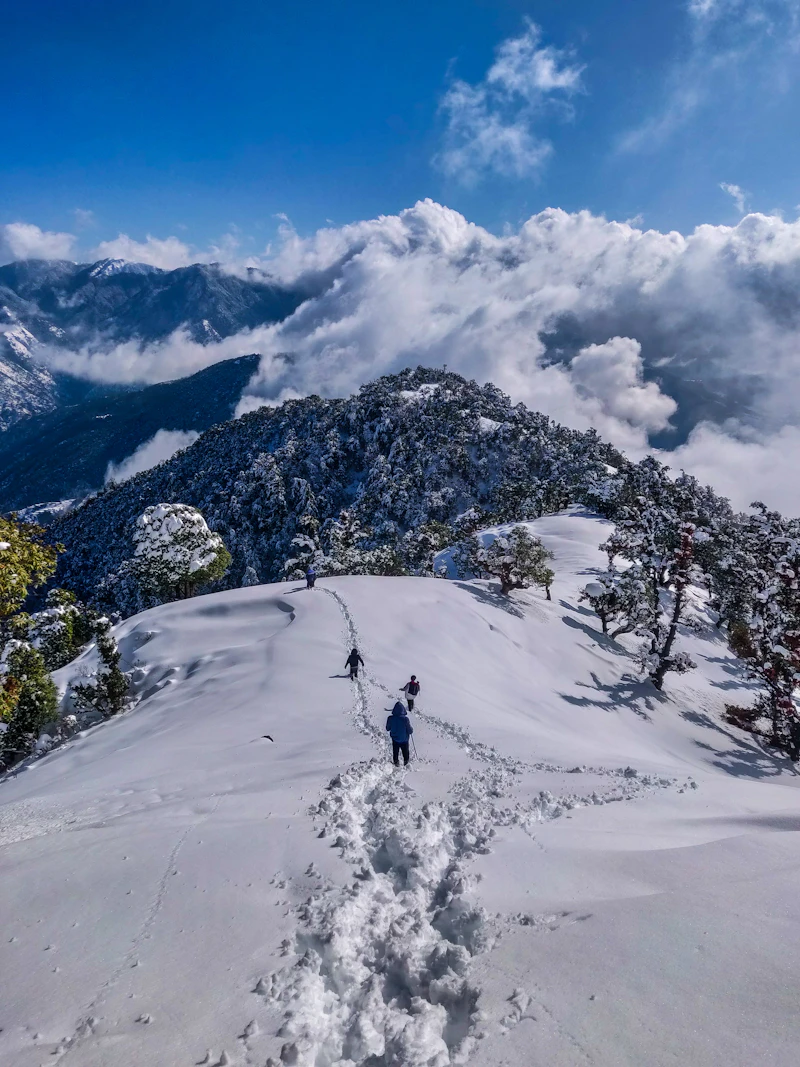 Bestseller
Kedarnath Trek Package
Accommodation • Meals • Transport • Guide • Pony/Palki Optional
PremiumKedarnath Helicopter Package
Helicopter Tickets • Accommodation • Meals • Transport • VIP Darshan
PopularDo Dham - Kedarnath & Badrinath
Accommodation • Meals • Transport • Guide • Temple Assistance
CompleteChar Dham Complete Package
All Accommodation • All Meals • Transport • Guide • Pony at Yamunotri & Kedarnath
BudgetKedarnath Budget Trek
Dormitory Stay • Breakfast & Dinner • Transport • Basic Guide
SpiritualPanch Kedar Pilgrimage
All Accommodation • All Meals • Treks • Guide • Temple Assistance
Kedarnath Photo Gallery
Kedarnath Temple Morning Aarti
 Himalayan Peaks
 Trek Route
 Valley Views
 Mandakini River
Frequently Asked Questions
Kedarnath Temple typically opens on Akshaya Tritiya (expected late April/early May 2026) and closes on Bhai Dooj (expected late October/early November 2026). The exact dates are announced by the Badrinath-Kedarnath Temple Committee based on the Hindu calendar. The opening ceremony (Kapaat Khulna) is performed at Ukhimath, and the idol is brought to Kedarnath in a grand procession.
The Kedarnath trek is moderate to difficult. The 16 km uphill trek from Gaurikund (1,982m) to Kedarnath (3,583m) gains about 1,600m elevation. Average fitness individuals take 6-8 hours. Beginners can attempt it with preparation - start cardio exercises 3-4 weeks before, stay hydrated, walk slowly, and take regular breaks. Pony (₹2,500-3,500) and Palki/Doli (₹6,000-12,000) services are available for those unable to walk.
Helicopter tickets for Kedarnath 2026 range from ₹6,000 to ₹12,000 per person depending on the operator and helipad. IRCTC (Phata helipad) charges around ₹7,500-8,500 for a round trip. Uttarakhand government services from Guptkashi cost ₹6,000-7,000. Private operators charge ₹8,000-12,000. Booking opens 2-3 months before the season. During peak time (May-June), book at least 1-2 weeks in advance.
Visiting Kedarnath during monsoon (July-August) carries risks. Heavy rainfall causes landslides, flash floods, and trek path damage. The 2013 floods were a devastating example. The temple remains open, but many pilgrims prefer helicopter service. If trekking during monsoon: start early morning, carry rain gear, avoid trekking after 2 PM, stay updated on weather, and follow local advisories. September onwards is safer.
Required documents: 1) Valid ID proof (Aadhaar, Passport, Voter ID, or Driving License), 2) Online registration receipt from registrationandtouristcare.uk.gov.in, 3) Medical fitness certificate from a registered doctor (especially for those 50+ years), 4) Recent passport-size photographs. Biometric registration at Sonprayag is mandatory. Keep all documents safe and carry photocopies.
Senior citizens (60+) and children can visit Kedarnath with precautions. Recommended: helicopter service instead of trek, medical clearance from doctor, altitude sickness prevention (Diamox), adequate warm clothing. For seniors: Pony or Palki services available if choosing to trek partially. Children below 10 may find the trek challenging. Both should acclimatize at Guptkashi for a day before proceeding.
Kedarnath holds immense religious significance: 1) One of 12 Jyotirlingas (self-manifested Shiva lingams), 2) Part of Char Dham and Panch Kedar circuits, 3) According to Mahabharata, built by Pandavas to seek Lord Shiva's forgiveness after Kurukshetra war, 4) Shiva appeared as a bull and dived into ground here - the hump remains as the Jyotirlinga, 5) Adi Shankaracharya's samadhi is behind the temple, 6) Survived 2013 floods miraculously, reinforcing faith.
Best time: May-June and September-October. May-June offers pleasant weather (5°C to 17°C), clear skies, and lush greenery. It's peak pilgrimage season. September-October has fewer crowds, clear post-monsoon views, and pleasant temperatures. Avoid July-August (monsoon/landslides) and November onwards (closing season, extremely cold). For photography and peaceful darshan, late September-early October is ideal.
Essential packing: Clothing - thermal innerwear, fleece jacket, waterproof windcheater, warm socks, woolen cap, gloves. Footwear - sturdy trekking shoes (waterproof), light slippers for temple. Health - Diamox for altitude, ORS, paracetamol, sunscreen SPF 50+. Essentials - Valid ID, registration receipt, cash ₹5,000-10,000, power bank, torch, water bottle, dry snacks, walking stick. Keep backpack under 5-6 kg.
ATM: No ATMs at Kedarnath. Last ATM is at Guptkashi (30 km away). Carry sufficient cash (₹5,000-10,000). Some shops accept UPI but network is unreliable. Mobile Network: BSNL has best coverage. Jio and Airtel work intermittently at Kedarnath but well till Gaurikund. No WiFi available. Power cuts are common, so carry a power bank. Essential calls can be made from BSNL booth at Kedarnath.
Pony and Palki services are available at Gaurikund. Pony (one-way): ₹2,500-3,500, round trip: ₹4,000-6,000. Palki/Doli (carried by 4 men, one-way): ₹6,000-8,000, round trip: ₹10,000-14,000. Prices are government-regulated but bargaining happens. Book early morning at Gaurikund counter for same-day trek. During peak season, book a day in advance. Ponies go till 500m before temple; final stretch is on foot.
Kedarnath Temple Timings: Opens 4:00 AM with Mahabhishek (special prayers), General darshan 6:00 AM - 3:00 PM, Evening darshan 5:00 PM - 7:30 PM, Night aarti 7:30 PM - 8:30 PM, Temple closes at 9:00 PM. Procedure: 1) Take bath at Mandakini River/guest house, 2) Join queue, 3) Brief darshan of the Jyotirlinga (touching allowed), 4) Offer prayers, 5) Collect prasad. Special puja booking available through temple committee. VIP darshan for helicopter pilgrims.
On June 16-17, 2013, heavy rainfall caused Chorabari Lake (Gandhi Sarovar) to burst, triggering devastating floods. Over 6,000 people died, and the town was destroyed. Miraculously, a large boulder diverted the main flood, saving the temple. Since then: 1) New trek route constructed, 2) Early warning systems installed, 3) Chorabari Lake monitored, 4) Better disaster management protocols, 5) Improved infrastructure. It's considered safe now, but monsoon travel requires caution.
Yes, Do Dham (Kedarnath + Badrinath) is a popular combination. Recommended itinerary: Day 1-3: Kedarnath trek/helicopter, Day 4: Travel to Badrinath (230 km, 8-9 hours via Chopta or Rudraprayag), Day 5: Badrinath darshan + Mana Village, Day 6-7: Return. Total duration: 7-8 days. This covers both the important Dhams efficiently. Many tour packages offer this combination.
Food at Kedarnath: Only vegetarian food available (alcohol and non-veg strictly prohibited). Options include: 1) Langar (free community kitchen at Kedarnath), 2) Small restaurants/dhabas serving dal-rice, roti-sabzi, Maggi, tea, 3) Packed meals from guest houses. Along trek route: Tea stalls at every 2-3 km serving chai, Maggi, biscuits, glucose water. Prices are higher than plains (Maggi ₹100-150, Thali ₹200-300). Carry dry snacks as backup.
Traveler Reviews & Experiences
Rajesh Kumar
DelhiOctober 2025Life-changing spiritual experience
My Kedarnath yatra was nothing short of miraculous. The 16 km trek was challenging but the divine energy kept me going. When I finally saw the temple against the backdrop of snow-capped peaks, tears rolled down my eyes. The early morning aarti at 4 AM was the most spiritual moment of my life. I highly recommend starting early to avoid crowds.
Priya Sharma
MumbaiSeptember 2025Helicopter service was excellent
Due to time constraints, we opted for the helicopter from Phata. The 7-minute flight offers breathtaking aerial views of the Himalayas. VIP darshan meant we could spend quality time at the temple. The staff at IRCTC helipad were very professional. Book at least 2 weeks in advance during peak season!
Amit Verma
LucknowMay 2025Beautiful but prepare for the cold
Visited in May and it was still quite cold at the top. Temperature dropped to 2°C at night. The trek is well-maintained post-2013 reconstruction. Tip: Stay at Guptkashi the night before and start early from Gaurikund. Ponies are available but I recommend walking for the full experience. Carry Diamox for altitude sickness.
Sunita Devi
JaipurJune 2025Fulfilled my lifelong dream at 62
At 62, I thought I could never make it to Kedarnath. But with the pony service and my family's support, I completed the yatra. The temple committee has done excellent work in making it accessible. The free langar food is divine. Har Har Mahadev! This trip has given me peace that will last a lifetime.
Vikram Singh
ChandigarhOctober 2025October is the best time to visit
Visited in mid-October just before closing. The weather was perfect - clear skies, less crowd, and the autumn colors were stunning. Got to witness the preparations for temple closing ceremony. Night sky full of stars at Kedarnath is unforgettable. Accommodation was basic but adequate. Will definitely visit again!
Have you visited Kedarnath? Share your experience!
Write a ReviewCommunity Questions & Answers
Real questions from travelers, answered by our community and verified experts.
Absolutely! I did it solo in September 2025. The trek route is well-populated with other pilgrims, tea stalls every 2-3 km, and security personnel. I never felt unsafe. Just start early, stay with the crowd, and reach before dark. Many solo female travelers do this trek.
Yes, it's safe. The entire route has CCTV cameras and emergency help points. However, I recommend joining a group or hiring a local guide for first-timers. Register your trip online for safety tracking.
Technically possible but not recommended. You'd need to start at 3 AM, trek 16 km up (6-7 hours), have limited darshan time, then trek 16 km down. That's 32 km in one day at high altitude. Most people get exhausted. Better to stay overnight at Kedarnath and enjoy the evening aarti.
Phata helipad (IRCTC operated) is closer to Kedarnath - just 8 km aerial distance, so 7-minute flight. Guptkashi helipad is 12 km away, 10-minute flight. Phata is more popular and has more slots. Both drop you at Kedarnath helipad from where it's 500m walk to temple. Price-wise Phata is slightly expensive but more reliable.
For most healthy individuals, no. Kedarnath is at 3,583m - moderate altitude. However, if you have respiratory issues, heart problems, or are 60+, carry a portable oxygen can (available at Sonprayag for ₹500-700). Walk slowly, stay hydrated, and acclimatize at Guptkashi. Diamox tablets help prevent altitude sickness.
I'm 55 and didn't need oxygen but saw many people using it. Better to be safe - the cans are light and inexpensive. The altitude does affect breathing, especially after Linchauli.
We took our 4-year-old via helicopter. Don't recommend trekking with toddlers - the altitude and cold can be risky for young children. Helicopter is safe and quick. If you must trek, consider a Palki/Doli service where you can hold your child. Consult your pediatrician about altitude sickness precautions for children.
Have a question about Kedarnath? Ask our community!
Ask a QuestionTrek vs Helicopter: Which is Right for You?
Compare both options to choose the best way to reach Kedarnath based on your preferences.
🥾 Trek - Pros & Cons
Pros
- Full spiritual experience
- Beautiful scenery
- Sense of achievement
- Flexible timing
- Budget-friendly
Cons
- Physically demanding
- Weather dependent
- Takes longer
- Altitude sickness risk
- Tiring for elderly
🚁 Helicopter - Pros & Cons
Pros
- Quick & convenient
- VIP darshan
- Stunning aerial views
- No physical strain
- Time-saving
Cons
- Expensive
- Weather dependent
- Limited availability
- Less spiritual immersion
- Advance booking needed
Book Hotels & Accommodation
Find and book the best stays near Kedarnath. From government guest houses to luxury camps.
 Limited
GMVN Tourist Rest House Kedarnath
Kedarnath Temple Area Available
Hotel Kedar Glory
Guptkashi Available
Kedar Camp Resort
Guptkashi Available
GMVN Sonprayag
Sonprayag Available
Hotel Snow Crest
PhataKedarnath Videos & Virtual Tours
Watch real experiences and virtual tours to prepare for your Kedarnath journey.
15:42Kedarnath Trek Complete Guide 2026
Complete walkthrough of the 16 km trek from Gaurikund to Kedarnath Temple
2.3M views8:23Kedarnath Helicopter Experience
Aerial journey and VIP darshan experience via helicopter
890K views 12:15
12:15Morning Aarti at Kedarnath Temple
Experience the divine 4 AM Mahabhishek ceremony
1.5M viewsEmergency Contacts & Safety Information
Important numbers to save before your Kedarnath trip. Safety first!
Safety Tips for Kedarnath Trek
- Always carry your registration slip and ID proof
- Start early morning (before 6 AM) and avoid trekking after 3 PM
- Keep emergency numbers saved offline on your phone
- Inform your hotel about your trek plan and expected return
- Carry a basic first-aid kit with altitude sickness medication
- Stay hydrated and take breaks every 30-45 minutes
- If you feel severe headache or nausea, descend immediately
- Follow weather advisories - avoid trekking during heavy rain
Download Complete Kedarnath Guide (PDF)
Get our comprehensive offline guide with maps, emergency contacts, packing list, and day-by-day itinerary.