About Valley of Flowers National Park
The Valley of Flowers National Park, a UNESCO World Heritage Site since 2005, is one of India's most stunning natural treasures. Nestled in the western Himalayas at an altitude of 3,658 meters in the Chamoli district of Uttarakhand, this 87.5 square kilometer valley transforms into a living rainbow of colors during the monsoon season when over 600 species of flowering plants burst into bloom simultaneously.
Discovered in 1931 by British mountaineers Frank Smythe, Eric Shipton, and R.L. Holdsworth during their return from the Kamet expedition, the valley captivated Smythe so deeply that he returned in 1937 and wrote the famous book "Valley of Flowers." Today, it remains one of India's most sought-after trekking destinations, attracting botanists, photographers, and nature enthusiasts from around the world.
The valley is part of the Nanda Devi Biosphere Reserve, encompassing a rich ecosystem that includes the adjoining Nanda Devi National Park. Together, they protect some of the Himalayas' most pristine alpine environments. The Pushpawati River flows through the valley, adding to its ethereal beauty with numerous waterfalls and streams cascading down from surrounding glaciers.
UNESCO Heritage
World Heritage Site since 2005
600+ Species
Endemic flowering plants
87.5 sq km
Protected national park
114 Bird Species
Rich avian biodiversity
History & Discovery
The Discovery in 1931
The valley was unknown to the outside world until 1931 when three British mountaineers - Frank Smythe, Eric Shipton, and R.L. Holdsworth - accidentally stumbled upon it while returning from their successful expedition to Mount Kamet. Smythe was so enchanted by the valley's beauty that he named it "Valley of Flowers" and returned in 1937 to study its flora extensively.
Smythe documented over 250 species during his visits and published his famous book "Valley of Flowers" in 1938, bringing international attention to this hidden paradise. His detailed descriptions of the alpine meadows carpeted with flowers against the backdrop of snow-capped peaks inspired generations of botanists and travelers.
Mythological Significance
In Hindu mythology, the valley is believed to be the place where Hanuman collected the Sanjeevani herb to revive Lakshman during the battle of Lanka. Local legends also associate the valley with the ancient texts where it's referred to as "Nandan Kanan" - the mythical garden of Indra, the king of gods. The presence of the sacred Brahmakamal flower, used in temple rituals, adds to its spiritual significance.
Conservation Timeline
- 1931: Discovery by British mountaineers
- 1937: Frank Smythe's botanical expedition
- 1938: Publication of "Valley of Flowers" book
- 1982: Declared a National Park
- 1988: Included in Nanda Devi Biosphere Reserve
- 2005: UNESCO World Heritage Site designation
Valley of Flowers Trek Guide
The trek to Valley of Flowers is a moderate-level Himalayan trek that takes you through scenic villages, dense forests, and alpine meadows. The journey from Govindghat to Ghangaria (base camp) covers 13-14 km, followed by a 4 km trek to the valley entrance.
Trek Route Breakdown
Govindghat
1,828m (5,997 ft)0 kmTrek starting point on Rishikesh-Badrinath highway. Last point accessible by road. ATM, shops, and hotels available.
Duration: Starting Point
Pulna Village
2,000m (6,562 ft)4 kmFirst village on the trek. New motorable road reaches here (shared jeeps available). Traditional Garhwali village.
Duration: 1-1.5 hours walk / 20 min by jeep from Govindghat
Bhyundar Village
2,350m (7,710 ft)7 kmSmall settlement with refreshment stalls. Beautiful views of Bhyundar Valley and surrounding peaks. Good rest point.
Duration: 2-2.5 hours from Pulna
Ghangaria (Trek Base)
3,049m (10,003 ft)13-14 km from GovindghatBase camp for Valley of Flowers and Hemkund Sahib. Well-developed village with hotels, restaurants, and Gurudwara Gobind Dham providing free langar.
Duration: 5-7 hours from Govindghat (or 3-4 hours from Pulna)
Valley of Flowers Entry Gate
3,250m (10,663 ft)1 km from GhangariaEntry point to the National Park. Permit check and registration counter. Forest department office.
Duration: 20-30 minutes from Ghangaria
Valley of Flowers (Main Valley)
3,658m (12,001 ft)4 km from GhangariaThe magnificent valley stretching 8 km long and 2 km wide, carpeted with hundreds of endemic flower species. Pushpawati River flows through.
Duration: 2-3 hours one way (allow 4-6 hours total)
Trek Tips for Valley of Flowers
- Start the Govindghat to Ghangaria trek early (6-7 AM) to reach before dark
- Take shared jeep to Pulna (4 km) to reduce trek by 1-1.5 hours
- Waterproof gear is essential - the trek passes through monsoon zone
- Hire a pony or porter if carrying heavy luggage (available at Govindghat)
- Acclimatize for a day at Joshimath before starting the trek
- For the valley, start early (7 AM) to maximize exploration time
- Carry a macro lens for flower photography
- Stay on marked trails to protect the delicate ecosystem
Flora of Valley of Flowers
The Valley of Flowers is home to over 600 species of flowering plants, including 31 rare and endangered species. The valley transforms into a riot of colors from July to September with different flowers blooming at different times.
Brahmakamal (Saussurea obvallata)
RareSacred flower of the Himalayas, blooms at night. Used in religious ceremonies.
Blue Poppy (Meconopsis aculeata)
Very RareIconic Himalayan Blue Poppy, extremely rare and beautiful.
Cobra Lily (Arisaema)
CommonDistinctive hooded flower resembling a cobra.
Himalayan Edelweiss
UncommonStar-shaped woolly flower, symbol of alpine regions.
Monthly Blooming Calendar
| Month | Key Flowers | Bloom Coverage |
|---|---|---|
| June (Last 2 weeks) | Early bloomers - Primula, Iris, Anemone, Marsh Marigold | 30% |
| July | Brahmakamal starts, Blue Poppy, Geranium, Cobra Lily, Potentilla | 70% |
| August | Peak bloom - All major species, maximum color diversity | 100% |
| September | Late bloomers - Aconitum, Gentian, Alpine Aster | 50% |
Wildlife of Valley of Flowers
The Valley of Flowers National Park is part of the Nanda Devi Biosphere Reserve, hosting diverse wildlife including several endangered species. The park provides habitat for high-altitude mammals and numerous bird species.
Mammals
Snow Leopard
VulnerableElusive high-altitude predator, rarely sighted
Habitat: Rocky cliffs above 3,500m
Himalayan Black Bear
VulnerableOmnivorous bear found in forested areas
Habitat: Forest edges and meadows
Himalayan Musk Deer
EndangeredSmall deer known for musk production
Habitat: Forest undergrowth
Bharal (Blue Sheep)
Least ConcernCommonly seen grazing on slopes
Habitat: Alpine meadows and rocky slopes
Serow
VulnerableGoat-like mammal found in steep terrain
Habitat: Forested cliffs
Common Langur
Least ConcernGrey langurs seen in groups
Habitat: Forests and village edges
Birds (114 Species Recorded)
Valley of Flowers Entry Permit
Entry to Valley of Flowers National Park requires a permit issued by the Forest Department. The permit counter is located at the valley entrance gate, 1 km from Ghangaria.
Permit Fees (2026)
Indian Nationals
Validity: 3 days
Foreign Nationals
Validity: 3 days
Students (Indian)
Validity: 3 days (with valid ID)
Camera Fee
Validity: Professional cameras only
Porter/Guide
Validity: Per entry
How to Get Permit
Reach Ghangaria
Complete the trek from Govindghat to Ghangaria (13-14 km)
Visit Permit Counter
Go to Forest Department counter at Valley entry (1 km from Ghangaria)
Submit Documents
Provide valid ID proof (Aadhaar/Passport) and fill registration form
Pay Fee & Collect Permit
Pay applicable fee and receive entry permit (valid for 3 days)
Timings & Rules
Entry Timings
Entry: 7:00 AM - 2:00 PM (Entry)
Exit: 5:00 PM (Must exit before)
Counter: 6:30 AM - 3:00 PM
Important Rules
- No camping inside the valley
- No cooking or fire
- No plucking flowers or plants
- No littering - carry back all waste
- Stay on marked trails only
Hemkund Sahib - The Sikh Pilgrimage
Hemkund Sahib (Gurudwara Shri Hemkund Sahib Ji) is one of the holiest Sikh pilgrimage sites, located at 4,632m altitude. It shares the same trek base (Ghangaria) with Valley of Flowers, making it convenient to visit both.
Significance: Believed to be the place where Guru Gobind Singh Ji meditated in his previous life. Mentioned in his autobiography Bachitra Natak.
Tips for Hemkund Sahib Visit
- Start early (4-5 AM) to avoid afternoon clouds
- Trek is steeper than Valley of Flowers
- Free langar available at Gurudwara
- Carry warm clothes - very cold at top
- Can be combined with Valley visit (do Hemkund first day, Valley second)
Places to Visit Near Valley of Flowers
While the Valley of Flowers is the main attraction, the region offers several other remarkable destinations that can be combined for a comprehensive Uttarakhand experience.
 Must Visit
Valley of Flowers National Park
UNESCO World Heritage4 km from Ghangaria
The main attraction - an 87.5 sq km alpine valley carpeted with over 600 species of flowering plants. The valley stretches 8 km long and 2 km wide, with Pushpawati River flowing through.
 Must Visit
Hemkund Sahib
Sikh Pilgrimage6 km from Ghangaria
One of the highest Gurudwaras in the world at 4,632m. Sacred lake (Hemkund) surrounded by seven snow-capped peaks. Free langar and accommodation for pilgrims.
 Must Visit
Ghangaria Village
Trek Base Camp13-14 km from Govindghat
Scenic base village surrounded by peaks. Home to Gurudwara Gobind Dham providing free langar and stay. Only village between Govindghat and Valley/Hemkund.

Badrinath Temple
Hindu Pilgrimage25 km from Govindghat
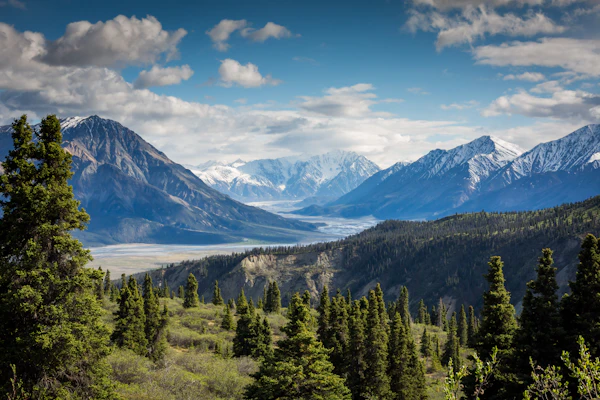
One of the Char Dhams, sacred temple of Lord Vishnu. Can be combined with Valley of Flowers trip. Located on Govindghat-Badrinath road.
Mana Village
Last Indian Village28 km from Govindghat
Last inhabited village before Tibet border. Vyas Gufa (cave where Ved Vyas wrote Mahabharata), Bhim Pul, and Vasudhara Falls nearby.

Vasudhara Falls
Waterfall5 km trek from Mana Village
122m high waterfall believed to be sacred. According to legend, water does not touch those who are not pure of heart.
Auli
Ski Resort / Meadows50 km from Govindghat
Famous ski resort with Asia's longest cable car. Stunning views of Nanda Devi and surrounding peaks. Can visit on way to/from Joshimath.

Joshimath
Religious Town20 km from Govindghat
Winter seat of Badrinath deity. Ancient Narsingh Temple and Shankaracharya Math. Gateway to many Himalayan treks.
Valley of Flowers Weather & Best Time to Visit
The Valley of Flowers opens from mid-June to early October. The best time for visiting is July to September when the valley is in full bloom. However, this coincides with monsoon, so be prepared for rain.
| Month | Min Temp | Max Temp | Rainfall | Condition | Recommended |
|---|---|---|---|---|---|
| January | -10C | -2C | 80mm | Closed - Heavy Snow | No |
| February | -8C | 0C | 75mm | Closed - Snow Covered | No |
| March | -5C | 5C | 60mm | Closed - Melting Snow | No |
| April | 0C | 10C | 45mm | Closed - Snow Clearing | No |
| May | 5C | 15C | 50mm | Closed - Preparing to Open | No |
| June | 8C | 18C | 120mm | Opens Mid-June - Early Blooms | Yes |
| July | 10C | 17C | 350mm | Peak Bloom - Monsoon Rains | Yes |
| August | 10C | 16C | 380mm | Full Bloom - Best Colors | Yes |
| September | 7C | 15C | 180mm | Late Bloom - Less Crowds | Yes |
| October | 3C | 12C | 40mm | Closing - Autumn Colors | No |
| November | -3C | 6C | 20mm | Closed - Early Snow | No |
| December | -8C | 0C | 50mm | Closed - Winter Snow | No |
Peak Bloom: Late July - Mid August
Maximum flower diversity, all species in bloom. Expect monsoon rains. Best for photography and botanists. Highest footfall.
Early Season: June (Last 2 weeks)
Early bloomers like Primula, Iris, Anemone. Snow may still be present in higher areas. Fewer crowds.
Late Season: September
Late bloomers like Gentian, Aconitum. Less rain, clearer skies. Ideal for comfortable trekking with good weather.
Where to Stay - Accommodation Guide
Ghangaria is the base camp for both Valley of Flowers and Hemkund Sahib. All visitors must stay here as camping inside the valley is prohibited. Options range from budget Gurudwara stays to comfortable hotels.
At Ghangaria (Trek Base)
GMVN Tourist Rest House
GovernmentGurudwara Gobind Dham
ReligiousHotel Kuber Annex
PrivateNanda Lokpal Palace
PrivateHotel Priya
PrivateAt Govindghat (Trek Start)
GMVN Govindghat
GovernmentHotel Bhagat
PrivateGurudwara Govind Ghat
ReligiousAt Joshimath (20 km)
GMVN Joshimath
GovernmentHotel Dronagiri
PrivateMount View Hotel
PrivateAccommodation Tips
- Gurudwara Gobind Dham at Ghangaria offers free stay and langar - donations welcome
- Book GMVN accommodations in advance during peak season (July-August)
- Private hotels can be booked on arrival but may be full during peak times
- Carry sleeping bag liner for extra comfort in basic accommodations
- Hot water availability is limited - early risers get priority
Valley of Flowers Packing List
Proper packing is crucial for the Valley of Flowers trek, especially since it coincides with monsoon season. Waterproof gear is your most important item.
Clothing
Footwear
Rain Protection
Photography
Medicines & Health
Essentials
Sample Valley of Flowers Itineraries
5 Days / 4 Nights - Valley of Flowers Trek
Haridwar/Rishikesh to Govindghat
275 km | 9-10 hoursOvernight: Govindghat
Govindghat to Ghangaria Trek
13-14 km trek | 5-7 hoursOvernight: Ghangaria
Valley of Flowers Exploration
8 km (4 km each way)Overnight: Ghangaria
Hemkund Sahib & Trek to Govindghat
12 km + 13 km trekOvernight: Govindghat
Govindghat to Haridwar/Rishikesh
275 km | 9-10 hoursOvernight: Journey End
7 Days / 6 Nights - Extended Valley & Badrinath
Haridwar to Joshimath
255 km | 8-9 hoursOvernight: Joshimath
Joshimath to Ghangaria
20 km drive + 13 km trekOvernight: Ghangaria
Hemkund Sahib
12 km round tripOvernight: Ghangaria
Valley of Flowers - Full Day
8 km round tripOvernight: Ghangaria
Ghangaria to Govindghat
13-14 km trekOvernight: Badrinath
Badrinath Darshan & Mana Village
10 km sightseeingOvernight: Badrinath/Joshimath
Return to Haridwar
280-300 km | 9-10 hoursOvernight: Journey End
Valley of Flowers Tour Packages 2026
Choose from our carefully curated Valley of Flowers packages - from budget treks to premium experiences. All packages include accommodation, meals, permits, and expert guidance.
 Bestseller
Valley of Flowers Trek Package
Accommodation | Meals | Transport (Haridwar-Govindghat) | Guide | Permits
PopularValley + Badrinath Combo
All Accommodation | All Meals | Transport | Guide | Permits | Temple Assistance
SpecialValley Photography Tour
Accommodation | Meals | Transport | Photography Guide | 2 Valley Entries | Equipment Support
BudgetBudget Valley Trek
Dormitory/Basic Stay | Breakfast & Dinner | Transport | Guide
PremiumValley + Helicopter Package
Helicopter Both Ways | Best Hotels | All Meals | Private Guide | Permits
CompleteUttarakhand Grand Tour
All Accommodation | All Meals | Transport | Guide | All Permits | Temple Assistance
Valley of Flowers Photo Gallery
Valley in Full Bloom Alpine Flowers
 Himalayan Peaks
 Trek Trail
 Hemkund Sahib
 Waterfalls
Frequently Asked Questions
The best time to visit Valley of Flowers is from mid-July to mid-August when the valley is in full bloom with maximum flower diversity. The valley opens in mid-June when early flowers start blooming and closes in early October. July-August sees the peak bloom with over 600 species flowering, though it also coincides with monsoon rains. September offers fewer crowds and late-blooming species. For photography, late July to mid-August is ideal when the valley is carpeted in colors.
The trek is moderate in difficulty. The main trek from Govindghat to Ghangaria (13-14 km) is gradual but long, taking 5-7 hours. You can take a shared jeep to Pulna village (4 km), reducing the trek. The valley itself is 4 km from Ghangaria with gentle terrain. However, monsoon conditions make trails slippery and muddy. The trek to Hemkund Sahib (6 km, 1,600m elevation gain) is more challenging. Moderate fitness is required, and acclimatization is recommended.
Entry permits for Valley of Flowers National Park cost Rs. 150 for Indian nationals and Rs. 600 for foreign nationals, valid for 3 days. Students with valid ID pay Rs. 75. Professional cameras require an additional Rs. 500 fee. Permits are issued at the Forest Department counter at the valley entrance gate (1 km from Ghangaria). The counter opens at 6:30 AM, and entry is allowed until 2 PM. You must exit by 5 PM daily.
No, camping is strictly prohibited inside Valley of Flowers National Park. The valley is a UNESCO World Heritage Site with strict conservation rules. Visitors must exit by 5 PM daily. All trekkers stay at Ghangaria, which has hotels, guest houses, and a Gurudwara offering free accommodation. Day visits to the valley start from Ghangaria (4 km trek). This regulation helps protect the delicate alpine ecosystem and endemic flora.
The valley hosts over 600 species of flowering plants. Star attractions include the sacred Brahmakamal (blooms July-September, night-blooming), Himalayan Blue Poppy (rare, July-August), Cobra Lily, Himalayan Edelweiss, and various orchids. You'll see carpets of Himalayan Balsam, Geraniums, Primulas, and Potentillas. Medicinal plants like Aconitum (Monkshood) and Blue Gentian are common. The flower composition changes throughout the season - June has early bloomers, August sees peak diversity, and September features late bloomers.
The valley is accessible during monsoon (July-August), which is actually the best time for flowers. However, monsoon brings challenges: trails become slippery and muddy, leeches are common, rivers swell, and there's risk of landslides on the Govindghat-Ghangaria route. Rain gear and waterproof shoes are essential. Despite challenges, thousands visit safely each year. Check weather forecasts, start early, avoid trekking in heavy rain, and carry a good poncho. The forest department monitors conditions and may close trails during severe weather.
From Delhi, travel to Haridwar (220 km, 5-6 hours by train/road) or Rishikesh (240 km). From there, drive to Govindghat (275 km, 9-10 hours) via Devprayag, Rudraprayag, and Joshimath. The route follows the Alaknanda River and passes through beautiful Garhwal hills. Alternatively, fly to Dehradun and drive (320 km). From Govindghat, trek 13-14 km to Ghangaria (base camp), then 4 km to the valley. Helicopter service is available from Govindghat to Ghangaria during season.
Yes, both share the same base camp - Ghangaria. This is the most common itinerary: Day 1: Trek to Ghangaria, Day 2: Visit Hemkund Sahib (6 km, steep), Day 3: Explore Valley of Flowers. Or do valley first and Hemkund second. We recommend Hemkund first as it's more strenuous and starting early (4-5 AM) helps avoid afternoon clouds. The Gurudwara at Hemkund provides free langar. Most packages combine both destinations. Allow minimum 3 days at Ghangaria for a comfortable visit to both.
The valley is part of Nanda Devi Biosphere Reserve with diverse wildlife. Common sightings include Himalayan Monal (colorful pheasant, state bird), Bharal (Blue Sheep), Common Langur, and various bird species like Yellow-billed Blue Magpie and Lammergeier. Rare animals include Snow Leopard, Himalayan Black Bear, Himalayan Musk Deer, and Serow - though these are rarely spotted. Over 114 bird species are recorded. Dawn and dusk are best for wildlife sightings. Maintain distance and silence to increase chances.
Yes, helicopter service operates from Govindghat to Ghangaria during the trekking season (June-October). The 5-minute flight costs approximately Rs. 3,000-4,500 per person one way. Services are operated by private companies and are subject to weather conditions. Booking can be done at Govindghat helipad. This is ideal for those unable to trek or short on time. Note that you still need to walk 4 km from Ghangaria to the valley as helicopters don't land inside the national park.
Essential packing: Waterproof rain jacket/poncho (most important), waterproof trekking shoes, warm layers, quick-dry clothes, gaiters for mud/leeches, waterproof bag covers, torch/headlamp, walking stick, sunscreen, medicines (Diamox for altitude, ORS, painkillers), valid ID for permits, cash (limited ATM), power bank, camera with rain protection, and energy snacks. Pack light as you'll trek 13 km to base camp. Keep a small daypack for valley visits. Rain gear is non-negotiable during monsoon.
ATMs: The last reliable ATM is at Joshimath (20 km before Govindghat). There's a small ATM at Govindghat but it's often non-functional or out of cash. No ATM at Ghangaria. Carry sufficient cash (Rs. 5,000-10,000). Mobile Network: BSNL has the best coverage throughout the trek. Jio and Airtel work at Govindghat and partially at Ghangaria but are unreliable in the valley. No WiFi available. Keep phones in airplane mode to save battery. Landline PCOs available at Ghangaria.
Senior citizens can visit with precautions. The 13-14 km trek to Ghangaria is the main challenge. Options include: 1) Helicopter from Govindghat to Ghangaria (5 min, Rs. 3,000-4,500), 2) Pony/mule service (Rs. 2,000-3,500), 3) Porter service for luggage. From Ghangaria, the valley is 4 km on relatively gentle terrain. Acclimatize at Joshimath before attempting. Get medical clearance, carry Diamox for altitude, and go slow. The Hemkund Sahib trek is steeper and not recommended for seniors.
The Valley of Flowers was discovered by British mountaineers Frank Smythe, Eric Shipton, and R.L. Holdsworth in 1931 during their return from Kamet expedition. Smythe named it and later wrote the book "Valley of Flowers." Declared a National Park in 1982, it became a UNESCO World Heritage Site in 2005 (along with Nanda Devi National Park). The valley holds botanical significance with 600+ species, many endemic and medicinal. In Hindu mythology, it's believed to be where Hanuman collected Sanjeevani herb.
Minimum recommended: 4-5 days. Ideal itinerary: Day 1 - Travel to Govindghat, Day 2 - Trek to Ghangaria, Day 3 - Valley of Flowers, Day 4 - Hemkund Sahib + trek to Govindghat, Day 5 - Return. For a relaxed experience with 2 valley visits, allow 6-7 days. Photography enthusiasts should plan 2-3 valley entries (permit valid for 3 days). Adding Badrinath requires 1-2 extra days. Factor in weather delays during monsoon. Don't rush - the trek is the experience.
Nearest Airport: Jolly Grant Airport, Dehradun (320 km from Govindghat, 8-9 hours drive). Flights connect to Delhi, Mumbai, and other cities. Nearest Railway Station: Haridwar (275 km from Govindghat) or Rishikesh (265 km). Both have excellent train connectivity from Delhi, Mumbai, Kolkata, and other cities. From airport/station, hire a taxi (Rs. 6,000-8,000) or take GMOU/private bus to Govindghat via Joshimath. The road journey is scenic along Alaknanda River.