About Abbott Mount - The Forgotten Hill Station
Perched at 2,100 meters in the remote Champawat district of Uttarakhand, Abbott Mount is one of India's most atmospheric and least-visited hill stations. Founded in the early 1900s by John Harold Abbott, a British entrepreneur who dreamed of creating a quiet English retreat in the Kumaon hills, this tiny settlement has remained frozen in time for over a century - its colonial cottages slowly surrendering to the forest, its stone church standing silent among ancient oaks.
What makes Abbott Mount extraordinary is its haunting beauty and absolute solitude. Unlike commercialized hill stations like Mussoorie or Nainital, Abbott Mount has no shops, no restaurants, no traffic, and often no mobile signal. The only sounds are birdsong, wind through the oaks, and the occasional creak of old timber. Approximately ten colonial-era cottages remain, some converted into heritage homestays where visitors sleep in the very rooms that British families once occupied.
The settlement's most famous landmark is the Haunted Bungalow - a decaying colonial cottage surrounded by legends of ghostly apparitions and unexplained phenomena. Whether you believe in ghosts or not, the atmosphere of this crumbling structure amid towering pines is undeniably spine-tingling. Beyond the paranormal, Abbott Mount rewards visitors with spectacular views of the five-peaked Panchachuli range, pristine oak and deodar forests teeming with Himalayan birdlife, and a rare sense of stepping back in time to an era that has vanished everywhere else.
Colonial Time Capsule
~10 British-era cottages from the 1900s
The Haunted Bungalow
Legendary paranormal site with ghostly lore
Panchachuli Peak Views
Five majestic peaks visible at sunrise
Pristine Oak Forests
Nature walks through untouched wilderness
Colonial Heritage of Abbott Mount
The story of Abbott Mount begins with John Harold Abbott, a British businessman who arrived in the Kumaon hills in the late 1800s. Captivated by the location's natural beauty, mild climate, and commanding views of the Himalayan peaks, Abbott purchased land and began building a small English settlement complete with cottages, a church, walking paths, and formal gardens. His vision was to create a private retreat where a small community of Englishmen could escape the heat of the plains and live amid the tranquility of the mountains.
The Haunted Bungalow
Era: Early 1900sAbandoned - Visitable from outsideThe most famous structure in Abbott Mount, this colonial bungalow is said to be haunted by the ghost of a British woman who died under mysterious circumstances. The building, with its decaying wooden beams and shattered windows, attracts paranormal enthusiasts and curious travelers alike. Locals share stories of strange lights and unexplained sounds after dark.
Abbott Mount Church
Era: 1920sPreserved - Open to visitorsA small but exquisitely built stone church that served the British community during the colonial era. The church still stands remarkably well-preserved amidst towering oaks and deodars, with its original stained glass windows partially intact. Sunday services were once held here for the handful of English families who called Abbott Mount home.
Abbott's Estate Ruins
Era: 1900sRuins - ExplorableThe remnants of John Harold Abbott's personal residence and estate, which once served as the centerpiece of this hill settlement. Stone foundations, a collapsed chimney, and fragments of an English garden can still be traced among the undergrowth. This is where Abbott envisioned creating a little England in the Kumaon hills.
The Haunted Bungalow - Abbott Mount's Most Famous Legend
No visit to Abbott Mount is complete without encountering the legend of the Haunted Bungalow. This decaying colonial cottage, with its collapsed roof, shattered windows, and walls being slowly consumed by creeping vines, is said to be haunted by the spirit of a young British woman who died here under mysterious circumstances in the early 20th century. Local residents speak of strange lights flickering in the empty rooms after midnight, the sound of footsteps on the wooden floorboards when no one is inside, and an inexplicable chill that visitors feel even on warm summer afternoons.
The bungalow has attracted paranormal investigators, filmmakers, and adventurous travelers from across India. Whether the stories are true or simply the product of a vivid local folklore tradition enhanced by the bungalow's genuinely eerie appearance, the site adds an unmistakable layer of mystique to Abbott Mount that no other hill station in India can claim.
Heritage Walking Tips
- Wear sturdy shoes as paths between cottages are uneven and sometimes muddy
- Carry a torch if visiting the haunted bungalow area in the late afternoon
- Ask your homestay host for stories - each cottage has its own history
- Be respectful of private property; some cottages are still occupied
- The church is the best-preserved structure and worth spending time at
- Photography is generally allowed but ask permission at occupied cottages
Nature Walks & Forest Trails
Abbott Mount is surrounded by some of the finest old-growth oak and deodar forests in the Kumaon region. These forests, largely undisturbed by commercial activity, provide habitat for a rich diversity of Himalayan birdlife and wildlife. The walking trails here are gentle and unmarked, following old British-era paths through cathedral-like canopies of ancient trees draped in moss and ferns.
Abbott Mount to Lohaghat Forest Walk
2-3 hours | 7 km
A gentle downhill walk through pristine oak and rhododendron forests connecting Abbott Mount to the market town of Lohaghat. The path follows the original bridle trail used by the British.
Sunrise Point Trail
30-45 minutes | 1.5 km
A short uphill walk from the main settlement to the eastern ridge, offering the most spectacular sunrise views of the Panchachuli range with the peaks turning golden at dawn.
Oak Forest Circuit
3-4 hours | 8 km
A circular trail that loops through the dense oak and deodar forests surrounding Abbott Mount, passing through clearings rich with wildflowers during spring and early summer.
Sunset Point & Ridge Walk
1-2 hours | 3 km
A leisurely walk along the western ridge to the sunset viewpoint, where the dying sun paints the Kumaon hills in shades of orange, pink, and purple.
Panchachuli Peak Views from Abbott Mount
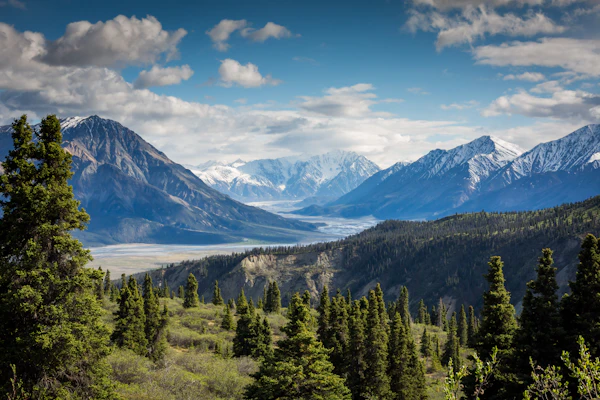
The Panchachuli range, whose name means "five cooking hearths" in reference to the five Pandava brothers of the Mahabharata who are said to have cooked their last meal here before ascending to heaven, forms a dramatic backdrop visible from Abbott Mount on clear days. The five peaks, rising between 6,312 and 6,904 meters, create an awe-inspiring ridgeline on the northeastern horizon that is particularly spectacular at sunrise and sunset.
Panchachuli I
6,355mDistance: ~80 km
The westernmost peak of the five sisters, visible prominently from Abbott Mount
Panchachuli II
6,904mDistance: ~82 km
The highest and most striking of the five peaks, said to be the kitchen of the Pandavas
Panchachuli III
6,312mDistance: ~83 km
The central peak, forming the heart of the dramatic ridgeline
Panchachuli IV
6,334mDistance: ~84 km
The second tallest peak, often catching the last light at sunset
Other Visible Peaks
Kumaoni Cuisine - Food at Abbott Mount
There are no restaurants in Abbott Mount - all meals are lovingly prepared by your homestay hosts using traditional Kumaoni recipes passed down through generations. The cuisine of Kumaon is simple, wholesome, and deeply tied to the mountain landscape, using locally grown lentils, millets, greens, and spices. Eating at Abbott Mount is not just sustenance; it is an intimate cultural experience.
Bhatt Ki Churkani
Type: Main Course
A traditional Kumaoni gravy made from black soybeans (bhatt), slow-cooked with rice paste and local spices. The dish has a unique earthy flavor and is a staple of the region.
Where: Available at homestays
Aloo Ke Gutke
Type: Side Dish
Boiled potatoes tempered with mustard oil, cumin, red chili, coriander leaves, and a squeeze of lemon. Simple yet extraordinarily flavorful, this is Kumaon's signature potato dish.
Where: Available at homestays and Lohaghat eateries
Kafuli
Type: Main Course
A thick spinach and fenugreek curry ground with rice paste, giving it a distinctive texture. This iron-rich dish is a winter favorite in the Kumaon hills.
Where: Available at homestays
Bal Mithai
Type: Dessert
Kumaon's most famous sweet - chocolate-like fudge coated with tiny white sugar balls. Originally from Almora, this sweet is available throughout the Kumaon region.
Where: Available in Lohaghat and Champawat shops
Singori
Type: Dessert
A delicate sweet made from khoya (reduced milk) wrapped in a maalu leaf that imparts a subtle green tint and forest fragrance. A unique Kumaoni delicacy.
Where: Seasonal - available in Lohaghat
Jhangora Ki Kheer
Type: Dessert
A creamy pudding made from barnyard millet (jhangora) cooked in milk with sugar and cardamom. This nutritious dessert is a traditional Kumaoni comfort food.
Where: Available at homestays
Food Tips for Abbott Mount
- All meals are included with your homestay - inform your host of dietary restrictions in advance
- Carry some snacks and biscuits from Lohaghat as there are no shops in Abbott Mount
- Try the local chai made with fresh milk and cardamom - it is exceptional
- Bal Mithai and Singori sweets can be bought from Lohaghat or Champawat shops
- Bottled water may not be available - most homestays provide boiled or filtered water
- Meals are typically vegetarian; non-veg may be available on request with advance notice
Places to Visit in & Around Abbott Mount
While Abbott Mount itself is a small settlement, the surrounding region of Champawat district holds numerous historical, spiritual, and natural attractions. Most can be visited as day trips from your Abbott Mount base, combining heritage exploration with scenic mountain drives.
 Must Visit
The Haunted Bungalow
Colonial Ruin / Paranormal0 km (Central Abbott Mount)
The most famous landmark of Abbott Mount - a decaying British-era bungalow surrounded by legends of ghostly apparitions. The crumbling wooden structure amid towering pines creates an unforgettable atmosphere.
 Must Visit
Abbott Mount Church
Colonial Heritage0 km (Central Abbott Mount)
A beautifully preserved stone church from the 1920s with original stained glass fragments, set amidst oak and deodar trees. A serene reminder of the British community that once lived here.
Must VisitSunrise Point
Viewpoint1.5 km walk from settlement
The eastern ridge viewpoint offering spectacular sunrise views of the Panchachuli range. The five peaks glow golden at dawn, creating one of Kumaon's finest mountain panoramas.
Sunset Point
Viewpoint3 km walk from settlement
The western ridge where the sun sets over layer upon layer of Kumaon hills, painting the sky in vivid oranges and purples. A peaceful spot for evening contemplation.
Abbott's Estate Ruins
Historical Ruins0.5 km from settlement center
The crumbling remains of John Harold Abbott's personal estate, with traceable stone foundations, a collapsed chimney, and remnants of a formal English garden reclaimed by the forest.

Champawat Baleshwar Temple
Ancient Temple32 km from Abbott Mount
A magnificent 10th-century stone temple dedicated to Lord Shiva, showcasing exquisite Kumaoni temple architecture with intricate carvings. Champawat was the ancient capital of the Chand dynasty.
Mayawati Ashram (Advaita Ashrama)
Spiritual Heritage22 km from Abbott Mount
Founded in 1899 by Swami Vivekananda, this Ramakrishna Mission ashram sits on a hilltop with stunning Himalayan views. The serene campus houses a temple, library, and publication house.

Lohaghat Town
Market Town7 km from Abbott Mount
A charming Kumaoni town on the banks of the Lohawati River, serving as the base for Abbott Mount. Browse local shops for woolens and Kumaoni produce, and enjoy chai at roadside stalls.
Devidhura Barahi Temple
Ancient Temple45 km from Abbott Mount
An ancient temple of Goddess Barahi, famous for the annual Bagwal fair - a ritualistic stone-pelting ceremony between two groups. The temple sits in a beautiful meadow setting.
Must VisitOak & Deodar Forest Walks
Nature / Birdwatching0 km (Surrounding Abbott Mount)
The dense forests enveloping Abbott Mount are perfect for nature walks, birdwatching, and quiet contemplation. Ancient oaks draped in moss create a cathedral-like canopy overhead.
Abbott Mount Weather & Best Time to Visit
Abbott Mount enjoys a pleasant temperate climate for most of the year, with warm summers, cool winters, and a monsoon season best avoided. At 2,100 meters, temperatures remain comfortable from March through November, though evenings are always cool enough to warrant a jacket. The weather directly impacts visibility of the Panchachuli peaks and the quality of forest walks.
| Month | Min Temp | Max Temp | Rainfall | Condition | Recommended |
|---|---|---|---|---|---|
| January | 2°C | 12°C | Light | Cold Winter - Misty Mornings | No |
| February | 4°C | 15°C | Light | Late Winter - Clearing Skies | No |
| March | 7°C | 20°C | Light | Early Spring - Wildflowers Bloom | Yes |
| April | 11°C | 24°C | Light | Spring - Perfect Weather | Yes |
| May | 14°C | 27°C | Light | Summer - Clear Panchachuli Views | Yes |
| June | 16°C | 28°C | Moderate | Pre-Monsoon - Warm & Green | Yes |
| July | 17°C | 25°C | Heavy | Monsoon - Lush but Wet | No |
| August | 17°C | 24°C | Heavy | Monsoon - Landslide Risk | No |
| September | 14°C | 24°C | Moderate | Post Monsoon - Clearing Skies | Yes |
| October | 10°C | 22°C | Light | Autumn - Crystal Clear Views | Yes |
| November | 6°C | 18°C | None | Early Winter - Crisp Air | Yes |
| December | 3°C | 14°C | None | Winter - Cold & Quiet | No |
Spring: March - April
Wildflowers bloom across the forests, temperatures are pleasant at 7-24°C, and the Panchachuli peaks are clearly visible. Rhododendrons add splashes of red to the oak canopy. Ideal for photography and nature walks.
Summer: May - June
Warm but comfortable at 14-28°C. The forests are lush green, birdlife is at its peak, and evenings are pleasantly cool. This is the busiest season, though "busy" at Abbott Mount means a handful of visitors.
Autumn: September - November
The clearest skies of the year, offering the most spectacular Panchachuli views. Crisp air, golden light, and the beginning of the quiet season. October is arguably the single best month to visit.
Monsoon: July - August
Heavy rainfall makes roads dangerous with landslide risks. Leeches are common on forest trails. Views are completely obscured by clouds. Strongly avoid this period.
How to Reach Abbott Mount
Abbott Mount is intentionally remote - getting there is part of the adventure. The settlement is reached via the small market town of Lohaghat in Champawat district. The final 7 km from Lohaghat to Abbott Mount is a steep, narrow mountain road best navigated in a jeep or SUV.
By Air
Airport: Pantnagar Airport
Distance: 195 km from Abbott Mount
Duration: 6-7 hours by road
Airlines: Air India Regional, FlyBig
Limited flights; Pantnagar is a small airport. Delhi flights operate a few times weekly.
By Train
Station: Kathgodam Railway Station
Distance: 175 km from Abbott Mount
Duration: 5-6 hours by road
Trains: Ranikhet Express, Uttarakhand Sampark Kranti, Kathgodam Express
Kathgodam is the nearest railhead. Book a shared taxi or private cab to Lohaghat from here.
By Road - Route Options
From Delhi
420 km10-12 hoursRoute: Haldwani - Bhimtal - Almora - Pithoragarh Road - Champawat - Lohaghat - Abbott Mount
From Kathgodam
175 km5-6 hoursRoute: Bhimtal - Almora - Chaukori - Lohaghat - Abbott Mount
From Haldwani
190 km6-7 hoursRoute: Bhimtal - Almora - Pithoragarh Road - Lohaghat
From Tanakpur
82 km3-4 hoursRoute: Champawat - Lohaghat - Abbott Mount
Lohaghat to Abbott Mount
Shared Jeep
Duration: 20-30 minutes
Available from Lohaghat market, frequency irregular
Private Taxi
Duration: 15-20 minutes
7 km steep mountain road, best option for comfort
Where to Stay in Abbott Mount
Accommodation at Abbott Mount is limited to a handful of heritage homestays housed in restored colonial cottages. These offer an authentic experience of sleeping in the same rooms that British families once occupied, with fireplaces, wooden beams, and mountain views. For more options and budget stays, the nearby town of Lohaghat (7 km) has hotels and guesthouses.
Heritage Colonial Homestays
Abbott Mount Heritage Homestay
Colonial CottageThe Abbott's Haven
Heritage HomestayLohaghat (7 km - More Options)
KMVN Tourist Rest House Lohaghat
GovernmentHotel Himalaya Lohaghat
Private HotelPanchachuli House
GuesthouseChampawat (32 km)
KMVN Tourist Rest House Champawat
GovernmentHotel Nanda Devi Champawat
Private HotelAccommodation Tips
- Book Abbott Mount homestays well in advance - there are only 2-3 options and they fill up quickly in peak season
- Confirm that your homestay provides all meals, as there are no restaurants
- Ask about heating arrangements for winter visits - fireplaces are common but check availability
- Lohaghat is the practical alternative if Abbott Mount homestays are full
- Carry a sleeping bag liner for extra warmth in winter months
- Power cuts are common - carry a torch and portable charger
Abbott Mount Tour Packages 2026
Our carefully curated Abbott Mount packages offer everything from quick weekend escapes to immersive heritage explorations of the Kumaon region. Each package includes comfortable heritage accommodation, home-cooked Kumaoni meals, and knowledgeable local guides.
 Bestseller
Abbott Mount Heritage Retreat
Heritage Accommodation | All Meals | Guided Heritage Walk | Transport from Kathgodam
 Popular
Kumaon Colonial Trail
Accommodation | All Meals | Private Car | Guide | All Sightseeing
 Quick Trip
Abbott Mount Weekend Escape
Homestay | Meals | Forest Walk | Transport from Lohaghat
AdventureAbbott Mount & Panchachuli Explorer
Accommodation | All Meals | Private Vehicle | Guide | Camping Equipment
UniqueParanormal Abbott Mount Experience
Heritage Homestay | Meals | Local Guide | Bonfire | Transport
Abbott Mount Photo Gallery
Colonial Cottages of Abbott MountPanchachuli Peak Views at DawnMisty Oak Forests Abbott Mount ChurchThe Haunted BungalowSunset Over Kumaon Hills
Frequently Asked Questions
Abbott Mount is a tiny colonial-era hill settlement in the Champawat district of Uttarakhand at 2,100 meters altitude. It was founded in the early 1900s by John Harold Abbott, a British businessman who envisioned creating a quiet English retreat in the Kumaon hills. He built several cottages in the English style, a church, and laid out walking paths. The settlement was named after its founder and has retained its colonial character for over a century.
The haunted bungalow is a very real, physical structure - a decaying colonial-era cottage that has been abandoned for decades. The legends about it being haunted stem from local folklore about a British woman who reportedly died under mysterious circumstances in the house. Visitors report an eerie atmosphere, especially after dusk, with stories of unexplained sounds and flickering lights. Whether it is genuinely haunted is a matter of personal belief, but it is undeniably atmospheric and a major draw for visitors.
Abbott Mount is approximately 420 km from Delhi. The most common route is: Delhi - Haldwani (via NH9, ~6 hours) - Almora - Champawat - Lohaghat - Abbott Mount. Total drive time is 10-12 hours. By train, take the overnight Ranikhet Express or Uttarakhand Sampark Kranti to Kathgodam (175 km from Abbott Mount), then hire a taxi for 5-6 hours. There are no direct buses to Abbott Mount; you must reach Lohaghat first and then take a shared jeep or taxi for the final 7 km.
The best time to visit Abbott Mount is March to June and September to November. Spring (March-April) brings wildflowers and pleasant temperatures of 10-24°C. Summer (May-June) is warm but comfortable at this altitude with temperatures up to 28°C. Autumn (September-November) offers the clearest views of the Panchachuli peaks with crisp air and vivid blue skies. Avoid July-August due to heavy monsoon rains and landslide risks on the mountain roads.
Yes, Abbott Mount is considered safe for solo travelers and women. The settlement is extremely small and quiet, with very few residents who are generally friendly and helpful. However, because it is so remote and isolated, it is advisable to inform your accommodation host about your whereabouts, carry a charged phone (though network coverage is spotty), and avoid wandering the forest trails alone after dark. The nearest medical facility is in Lohaghat, 7 km away.
There are no ATMs in Abbott Mount. The nearest ATMs are in Lohaghat (7 km) and Champawat (32 km), though even these can sometimes be out of service. Carry sufficient cash (Rs. 3,000-5,000 for a short stay). Mobile network is extremely limited - BSNL has the best chance of connectivity, while Jio and Airtel work intermittently or not at all. Most homestays do not have Wi-Fi. Treat this as a digital detox destination.
Abbott Mount does not have restaurants or eateries. All meals are provided by your homestay host, typically home-cooked Kumaoni cuisine including dal (lentils), rice, seasonal vegetables, rotis, and local specialties like bhatt ki churkani (black soybean gravy), aloo ke gutke (spiced potatoes), and bal mithai (a Kumaoni sweet). The food is simple, wholesome, and freshly prepared. If you have dietary restrictions, inform your host in advance.
Yes, the Panchachuli range is visible from Abbott Mount, particularly from the Sunrise Point on the eastern ridge. The five peaks (Panchachuli I through V, ranging from 6,312m to 6,904m) are seen as a dramatic ridgeline on the horizon. The views are best during October-November and March-April when skies are clear. Early mornings offer the most spectacular views, with the peaks turning golden at sunrise.
Approximately 10 colonial-era cottages remain in Abbott Mount, though their condition varies greatly. Some have been lovingly restored and converted into heritage homestays, while others stand in various stages of decay and abandonment - including the famous haunted bungalow. The Abbott Mount Church is the best-preserved colonial structure. The ruins of Abbott's own estate can still be traced among the forest undergrowth.
Abbott Mount can be a unique experience for families with older children (10+) who enjoy nature, history, and quiet surroundings. The forest walks are gentle and safe, and the colonial history adds an educational dimension. However, for families with very young children, the remoteness, lack of medical facilities, limited connectivity, and absence of child-specific amenities may pose challenges. The 7 km mountain road from Lohaghat is steep and winding.
Essential packing: Warm layers even in summer (evenings are cool at 2,100m), a good rain jacket (especially March-June), sturdy walking shoes or boots, a flashlight/torch (essential as there are no street lights), insect repellent, basic first-aid kit, sufficient cash, power bank (charging may be irregular), and a good book. In winter (Dec-Feb), bring heavy woolens, thermals, and gloves. A camera with a good zoom lens is essential for Panchachuli peak photography.
Abbott Mount after dark is an experience in itself. With zero light pollution, the stargazing is extraordinary - the Milky Way is clearly visible on clear nights. Many homestays arrange bonfires where the host shares local folklore and ghost stories. The absolute silence of the forest, broken only by nocturnal bird calls and rustling leaves, creates an atmosphere that is both peaceful and slightly eerie. Some visitors enjoy visiting the area near the haunted bungalow after dark, though this is not for the faint-hearted.
The Abbott Mount Church was built in the 1920s to serve the small English community that John Harold Abbott had attracted to his hill settlement. Constructed of local stone with wooden beams and featuring modest stained glass windows, it is a fine example of colonial ecclesiastical architecture adapted to the Himalayan setting. Though regular services stopped after Indian independence in 1947, the church has been maintained and remains structurally sound, standing as a silent witness to a bygone era.
Abbott Mount is fundamentally different from popular hill stations like Mussoorie, Nainital, or Ranikhet in several ways: 1) It is not commercialized - there are no shops, restaurants, or tourist infrastructure, 2) It has genuine colonial heritage that feels untouched rather than marketed, 3) The haunted bungalow legend adds a unique mystique, 4) The population is tiny - sometimes fewer than 20 people live here, 5) It offers an authentic digital detox with no reliable network, 6) It is reached by a single mountain road, keeping casual tourists away.
Yes, several worthwhile day trips are possible: Lohaghat (7 km) - a charming Kumaoni market town on the banks of the Lohawati river; Champawat (32 km) - the ancient capital of the Chand dynasty with Baleshwar Temple; Mayawati Ashram (22 km) - the Advaita Ashrama founded by Swami Vivekananda in 1899; Devidhura (45 km) - famous for the Barahi Devi temple and the annual stone-pelting fair (Bagwal); and Purnagiri Temple (85 km) - a major Shakti Peeth.
Abbott Mount is accessible during the monsoon (July-August), but it is strongly not recommended. The 7 km mountain road from Lohaghat becomes treacherous with landslides and slippery conditions. Heavy rainfall can cause road closures lasting days. The forest paths become leech-infested and slippery. Visibility is poor, ruining mountain views. If you must visit during this period, September is a much better choice as the rains recede and the landscape is at its greenest.
The forests around Abbott Mount are home to a variety of wildlife including Himalayan langur monkeys, barking deer, wild boar, porcupines, and occasionally leopards (though sightings are rare). The area is excellent for birdwatching with species like the Himalayan monal (Uttarakhand's state bird), laughingthrushes, treepies, minivets, and various woodpeckers. During spring migration, the forests come alive with bird calls. A good pair of binoculars enhances the experience considerably.
A minimum of 2 nights is recommended to properly experience Abbott Mount. Day 1: Arrive, settle in, explore the colonial cottages and church, visit the haunted bungalow, sunset point. Day 2: Sunrise at Sunrise Point, forest walk through oak groves, afternoon at leisure with a book. Day 3: Depart via Lohaghat. For a more immersive experience, 3-4 nights allow you to include day trips to Champawat, Mayawati Ashram, and deeper forest explorations.
While Abbott Mount itself does not have formal trekking routes, several rewarding walks and light treks are available: the 7 km forest walk to Lohaghat through oak forests, the Sunrise Point trail (1.5 km), the Oak Forest Circuit (8 km loop), and the ridge walk to Sunset Point (3 km). For more serious trekking, Munsiyari (approximately 150 km away) offers the Milam Glacier trek and Khaliya Top trek. The terrain around Abbott Mount is best described as walking and nature rambling rather than hardcore trekking.
The road from Lohaghat to Abbott Mount is a 7 km steep mountain road that is narrow, winding, and partially paved. It is motorable but requires careful driving, especially in a regular car. SUVs and jeeps handle the terrain much better. During and after heavy rains, sections can become muddy and slippery. There are no guardrails on most stretches. It is advisable to hire a local driver familiar with the road rather than self-driving, especially for first-time visitors.