About Chaukori - Kumaon's Quiet Himalayan Jewel
Tucked away in the Pithoragarh district of Uttarakhand at 2,010 metres, Chaukori is an offbeat hamlet that remains blissfully free from the crowds and commercialisation that have overtaken many Himalayan hill stations. What draws the discerning traveller here is the extraordinary, unobstructed view of the five Panchachuli peaks -- a massif whose name translates to "five cooking hearths," rooted in the Mahabharata legend of the Pandavas' final earthly fire before ascending to heaven.
Chaukori's other claim to distinction is its high-altitude tea estate, one of the highest in all of India. Terraced rows of tea bushes cascade down gentle slopes against the dramatic Himalayan backdrop, producing rare white, green, and orthodox black teas that are quietly sought after by connoisseurs. The estate has operated since the British colonial era, and a walk through its misty rows at dawn remains one of the most memorable experiences in the Kumaon hills.
This is a destination for those who value silence over spectacle. Writers, artists, meditators, and anyone recovering from the noise of modern life find Chaukori transformative. There are no malls, no traffic jams, no amusement parks -- just the sound of wind through deodar trees, the call of the Himalayan monal, and the slow rhythm of village life in the surrounding hamlets of Nagini and Berinag.
Panchachuli Peak Views
Five sacred peaks glowing at sunrise and sunset
High-Altitude Tea Gardens
Rare white and green tea at 2,000+ metres
Ancient Temples & Caves
Arjuneshwar Temple, Kapileshwar Cave
Writers' & Meditators' Haven
Uncommercialised solitude for creative retreats
Chaukori Tea Estate - Among India's Highest
The Chaukori Tea Estate is one of the most remarkable tea gardens in India, not for its size but for its extraordinary altitude and setting. Spread across gentle slopes between 1,800 and 2,100 metres, the estate produces small-batch orthodox teas that carry the distinctive character of their high-altitude terroir -- lighter, more aromatic, and with a natural sweetness that lower-altitude gardens cannot replicate.
What Makes Chaukori Tea Special
One of the highest tea gardens in India
Produces rare white and green tea varieties
Terraced rows set against Himalayan backdrop
Guided walks through the estate available
Fresh tea tasting at the garden shop
Best visited during the first and second flush seasons
Tea Garden Visiting Tips
- Visit early morning (7-9 AM) when mist drifts through the tea rows for the most atmospheric experience
- The first flush season (March-April) offers the freshest tea and the most active gardens
- Ask for a guided walk -- estate workers explain the plucking and processing methods
- Purchase tea directly from the garden shop; prices are lower than city retail
- Pair your visit with the Panchachuli sunrise for a perfect morning
Panchachuli Peak Views from Chaukori
The defining experience of Chaukori is watching the Panchachuli massif transform through the day. At dawn, the five peaks catch the first light and glow in shades of gold, orange, and deep crimson. By midday, they stand sharp and white against a cerulean sky. At sunset, the sequence reverses with softer hues of pink and violet. On full-moon nights, the snow-clad peaks shimmer with an ethereal silver light that makes sleep seem like a waste of the precious darkness.
Panchachuli I
6,355mDistance: Visible from Chaukori
The westernmost and lowest of the five peaks, resembling the first hearth
Panchachuli II
6,904mDistance: Visible from Chaukori
The highest and most prominent peak, a challenging mountaineering objective
Panchachuli III
6,312mDistance: Visible from Chaukori
The central peak of the group, forming part of the iconic silhouette
Panchachuli IV
6,334mDistance: Visible from Chaukori
The second-to-last peak, contributing to the dramatic ridgeline
Other Visible Peaks
Nature Walks & Trails from Chaukori
Chaukori is not a trekking base in the conventional sense, but its gentle terrain and rich forest cover offer rewarding walks for those who prefer unhurried exploration over peak-bagging. The trails here wind through oak, rhododendron, and deodar forests alive with birdsong, opening to meadows and ridgetops with sweeping Himalayan panoramas.
Chaukori Tea Garden Walk
1-2 Hours | 2 km loop
Max: 2,050mA gentle stroll through the manicured rows of the Chaukori Tea Estate with the five Panchachuli peaks as a dramatic backdrop. Early morning walks offer the finest light and mist effects.
Start Point: Chaukori village centre | Best Time: Year-round (except monsoon)
Chaukori to Musk Deer Point
3-4 Hours (round trip) | 5 km round trip
Max: 2,200mA rewarding forest trail that climbs through mixed oak and rhododendron woodland to a vantage point once known for musk deer sightings. The trail is rich in birdlife and wildflowers.
Start Point: Chaukori main road | Best Time: March - June, October - November
Nagini Village Heritage Walk
2-3 Hours | 4 km
Max: 2,000mA cultural walk to the heritage village of Nagini, where traditional Kumaoni stone-and-slate houses remain intact. Villagers demonstrate age-old weaving, wood carving and terrace farming practices.
Start Point: Chaukori (2 km downhill) | Best Time: Year-round
Chaukori to Berinag Ridge Trek
5-6 Hours (round trip) | 12 km round trip
Max: 2,150mA ridge walk connecting Chaukori to the neighbouring hill station of Berinag. The path winds along a forested ridgeline offering alternating views of the Panchachuli group and the deep Kali River valley.
Start Point: Chaukori KMVN Guest House | Best Time: March - May, September - November
Temples & Heritage of Chaukori
The Kumaon region around Chaukori is steeped in mythology and living tradition. Ancient temples, sacred caves, and heritage villages preserve a cultural continuity that stretches back centuries. These are not museum relics but active places of worship and community life, offering visitors a genuine connection to the spiritual landscape of the Himalayas.
Arjuneshwar Temple
Distance: 3 km from Chaukori
Deity: Lord Shiva
Legend: Built by Arjuna during penance
Trail: 30-45 min uphill walk
Highlight: 360-degree panoramic views
Kapileshwar Cave Temple
Distance: 15 km from Chaukori
Deity: Lord Shiva (Shivalinga)
Legend: Associated with Sage Kapila
Feature: Natural limestone cave
Highlight: Perennially dripping sacred water
Other Heritage Sites
Nagini Heritage Village
2 km from ChaukoriTraditional Kumaoni stone-and-slate houses with carved wooden doors, some over 200 years old. Active handloom weaving and terrace farming.
Chitrashila (Painted Rock)
5 km from ChaukoriAncient rock surface with faded paintings and inscriptions attributed to the Mahabharata era. An important archaeological site for Kumaon history.
Hat Kalika Temple, Gangolihat
20 km from ChaukoriThe presiding deity of the Kumaon Regiment, a revered Shakti Peetha set in dense deodar forest. One of the most powerful spiritual sites in the region.
Patal Bhuvaneshwar
45 km from ChaukoriA vast underground limestone cave with stalactite formations resembling Hindu deities. One of the most remarkable cave temple complexes in the Himalayas.
Kumaoni Food & Cuisine in Chaukori
The food in Chaukori is authentic Kumaoni fare -- simple, wholesome, and deeply connected to the land. Most meals are prepared fresh by your homestay or resort host using locally sourced ingredients. There are no standalone restaurants in Chaukori, which is part of its charm; every meal is an intimate, home-cooked affair.
Kumaoni Specialities
Bhatt ki Churkani: Black bean curry slow-cooked with spices
Aloo ke Gutke: Pan-fried potatoes with cumin and chilli
Chainsoo: Slow-roasted black gram dal
Madua ki Roti: Finger millet flatbread
Kafuli: Spinach and fenugreek leaf dish
Sweets & Beverages
Singodi: Coconut sweet wrapped in malu leaf
Bal Mithai: Chocolate-like fudge coated in sugar balls
Jhangora ki Kheer: Barnyard millet pudding
Chaukori Estate Tea: Fresh white or green tea
Buransh Juice: Wild rhododendron flower drink
Food Tips for Visitors
- All meals are served at your accommodation; inform your host of dietary preferences in advance
- Most places serve vegetarian Kumaoni thalis; non-vegetarian options are limited
- Ask for bhatt ki churkani -- it is the signature dish of the Kumaon hills
- Purchase bal mithai and singodi from Berinag bazaar as souvenirs
- Try fresh Chaukori estate tea at the garden shop; it makes an excellent gift
- Carry snacks from Almora or Haldwani if you have specific dietary needs
Places to Visit in & Around Chaukori
From tea gardens and forest viewpoints to ancient cave temples and heritage villages, Chaukori and its surroundings offer a rich and varied collection of experiences for the unhurried traveller.
 Must Visit
Chaukori Tea Estate
Tea Garden0.5 km from centre
One of India's highest tea gardens, producing rare white, green, and black teas on terraced slopes framed by the Panchachuli peaks. Guided walks and tastings available.
 Must Visit
Arjuneshwar Temple
Ancient Temple3 km from Chaukori
An ancient Shiva temple atop a forested ridge, attributed to Arjuna of the Mahabharata. Offers 360-degree panoramic views of the Panchachuli range and Kumaon valleys.
 Must Visit
Musk Deer Point
Forest Viewpoint2.5 km from Chaukori
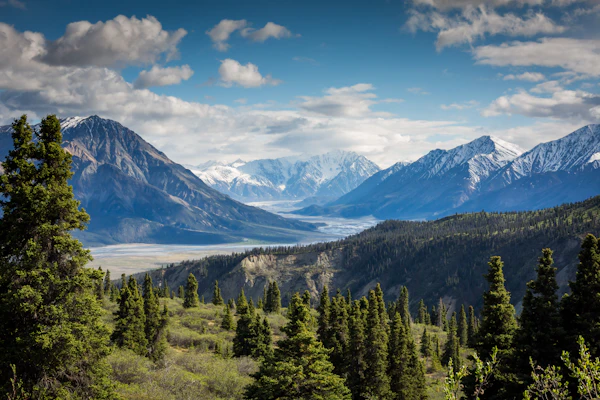
A forested hilltop once home to Himalayan musk deer. Today it is a birding hotspot with Himalayan monal, koklass pheasant, and panoramic mountain views.
Must VisitKapileshwar Cave Temple
Cave Temple15 km from Chaukori
A natural limestone cave temple near Gangolihat housing a Shivalinga with perennially dripping water. Associated with Sage Kapila of Hindu mythology.
Nagini Heritage Village
Heritage Village2 km from Chaukori
A traditional Kumaoni village with stone-and-slate houses, carved wooden doors, handloom weaving, and a centuries-old temple. An authentic cultural immersion.
Chitrashila (Painted Rock)
Archaeological Site5 km from Chaukori
An ancient rock bearing faded paintings and inscriptions attributed to the Mahabharata era. An important archaeological site for Kumaon cultural history.
Gangolihat (Hat Kalika Temple)
Shakti Peetha20 km from Chaukori
Home to the revered Hat Kalika Temple, the presiding deity of the Kumaon Regiment. A Shakti Peetha set in a dense deodar forest with powerful spiritual energy.
Berinag
Hill Town10 km from Chaukori
A small hill town and local market centre with excellent Panchachuli views, a colonial-era church, and a useful bazaar for supplies and ATM access.
Patal Bhuvaneshwar
Cave Temple Complex45 km from Chaukori
A vast underground limestone cave temple with stalactite formations resembling Hindu deities. One of the most remarkable cave temples in the Himalayas.
Birthi Falls
Waterfall60 km (towards Munsiyari)
A stunning 126-metre waterfall cascading down a rocky cliff surrounded by dense forest. Best visited during and immediately after the monsoon season.
Chaukori Weather & Best Time to Visit
Chaukori enjoys a moderate mountain climate with distinct seasons. The altitude of 2,010 metres keeps summers pleasant and winters cold but manageable. Understanding the seasonal patterns is essential for timing your visit to match your interests, whether it is tea garden exploration, temple visits, or simply soaking in the Panchachuli panorama.
| Month | Min Temp | Max Temp | Snowfall | Condition | Recommended |
|---|---|---|---|---|---|
| January | -2\u00B0C | 8\u00B0C | Occasional | Cold Winter - Clear Skies | No |
| February | 0\u00B0C | 10\u00B0C | Rare | Late Winter - Crisp Mornings | No |
| March | 4\u00B0C | 16\u00B0C | None | Early Spring - Rhododendrons Bloom | Yes |
| April | 8\u00B0C | 20\u00B0C | None | Spring - Wildflowers & Tea Harvest | Yes |
| May | 12\u00B0C | 24\u00B0C | None | Pleasant Summer - Peak Season | Yes |
| June | 14\u00B0C | 25\u00B0C | None | Warm Summer - Pre-Monsoon | Yes |
| July | 15\u00B0C | 22\u00B0C | None | Monsoon - Heavy Rainfall | No |
| August | 15\u00B0C | 22\u00B0C | None | Monsoon - Lush Green | No |
| September | 12\u00B0C | 22\u00B0C | None | Post Monsoon - Clear Skies Return | Yes |
| October | 8\u00B0C | 20\u00B0C | None | Autumn - Best Visibility | Yes |
| November | 4\u00B0C | 15\u00B0C | None | Late Autumn - Quiet & Serene | Yes |
| December | 0\u00B0C | 10\u00B0C | Occasional | Early Winter - Cold Nights | No |
Spring: March - April
Rhododendrons bloom, tea gardens harvest first flush, and the Panchachuli peaks emerge from winter haze. Temperature ranges from 4\u00B0C to 20\u00B0C.
Summer: May - June
Peak season with pleasant weather, clear views, and second flush tea harvest. Temperature ranges from 12\u00B0C to 25\u00B0C. Ideal for all activities.
Autumn: September - November
Post-monsoon clarity offers the best Panchachuli views. October has the sharpest visibility. Temperature ranges from 4\u00B0C to 22\u00B0C.
Monsoon: July - August
Heavy rainfall, leech-prone trails, and landslide risks on access roads. Best avoided unless you seek monsoon solitude and lush greenery.
How to Reach Chaukori
Chaukori is remote by design, and the journey is part of the experience. The winding mountain roads pass through terraced fields, river valleys, and small Kumaoni towns, offering a gradual immersion into the rhythm of the hills before you even arrive.
By Air
Airport: Pantnagar Airport
Distance: 217 km from Chaukori
Duration: 7-8 hours by road
Airlines: Air India Regional, FlyBig (seasonal)
By Train
Station: Kathgodam Railway Station
Distance: 196 km from Chaukori
Duration: 7-8 hours by road
Trains: Ranikhet Express, Kathgodam Shatabdi, Uttarakhand Sampark Kranti
By Road - Route Options
From Delhi
430 km11-13 hoursRoute: Haldwani - Almora - Bageshwar - Chaukori
From Kathgodam
196 km7-8 hoursRoute: Almora - Bageshwar - Berinag - Chaukori
From Almora
105 km4-5 hoursRoute: Bageshwar - Berinag - Chaukori
From Pithoragarh
75 km3 hoursRoute: Gangolihat - Berinag - Chaukori
Local Transport
Shared Jeep (Berinag-Chaukori)
Duration: 20-30 minutes
Frequent service during daytime
Private Taxi
Duration: 20 minutes
Available from Berinag stand
Where to Stay in Chaukori
Accommodation in Chaukori favours intimacy over luxury. The best experiences are at boutique cottages and family-run homestays where your hosts cook fresh Kumaoni meals and share stories of the region. The KMVN guest house offers a reliable government-run option with one of the finest viewpoints in the area.
Government (KMVN)
KMVN Tourist Rest House Chaukori
GovernmentHeritage & Boutique Stays
Dhaam Cottages Chaukori
BoutiqueOjaswi Himalayan Resort
ResortChaukori Retreat by Junoon
BoutiqueHomestays & Budget
Himgiri Homestay
HomestayPanchachuli View Homestay
HomestayDevbhumi Cottage
Guest HouseAccommodation Tips
- Book homestays and cottages in advance during peak season (May-June, October)
- Homestays offer the most authentic experience with home-cooked Kumaoni meals
- KMVN Rest House has one of the best Panchachuli viewpoints from its terrace
- Winter stays should have bukhari (wood-fired stove) or room heater -- confirm before booking
- Berinag (10 km) has more options if Chaukori properties are fully booked
- Ask about yoga and meditation sessions when booking boutique stays
Chaukori Tour Packages 2026
Choose from our carefully curated Chaukori packages -- from tea garden retreats to temple heritage circuits and creative writing immersions. All packages include personalised attention and local expertise.
 Bestseller
Chaukori Sunrise & Tea Retreat
Homestay Accommodation | All Meals | Tea Estate Tour | Village Walk | Local Guide
 Heritage
Kumaon Temple & Heritage Circuit
Boutique Stay | All Meals | Private Transport | Temple Guide | Photography Assistance
Quick TripChaukori Weekend Escape
Resort Stay | Breakfast & Dinner | Nature Walk | Transport from Kathgodam
UniqueWriters & Meditation Retreat
Boutique Cottage | Organic Meals | Yoga Instructor | Writing Mentor | All Activities
 Adventure
Chaukori & Munsiyari Explorer
Accommodation | All Meals | Private Vehicle | Guide | Trek Equipment
Chaukori Photo Gallery
Panchachuli Peaks at SunriseTea Gardens of ChaukoriArjuneshwar Temple TrailMorning Mist over Tea RowsKumaoni Village LifeSunset over PanchachuliFrequently Asked Questions
Chaukori is famous for its spectacular views of the five Panchachuli peaks, its high-altitude tea gardens (one of the highest in India), and its uncommercialised, tranquil atmosphere. The hamlet is known as a haven for writers, meditators, and anyone seeking solitude in the Himalayas. The sunrise and sunset views over the Panchachuli massif are considered among the finest in Uttarakhand.
Chaukori is approximately 430 km from Delhi. The most common route is Delhi - Haldwani - Almora - Bageshwar - Berinag - Chaukori, taking 11-13 hours by road. The nearest railway station is Kathgodam (196 km, 7-8 hours), and the nearest airport is Pantnagar (217 km, 7-8 hours). From Kathgodam, you can hire a private taxi or take a shared jeep via Almora and Bageshwar. There are no direct bus services to Chaukori; most travellers change vehicles at Berinag.
The best time to visit Chaukori is March to June and September to November. March-April brings rhododendron blooms and the tea estate's first flush harvest. May-June offers pleasant weather with clear mountain views. The monsoon (July-August) brings heavy rain and landslide risks, so it is best avoided. September-November offers the clearest skies and the best visibility of the Panchachuli range, with October being the single finest month for photography.
Yes, the Chaukori Tea Estate is open to visitors. You can take guided walks through the terraced tea rows, learn about the plucking and processing of high-altitude orthodox tea, and purchase fresh tea directly from the estate shop. The estate produces rare white tea, green tea, and black tea varieties. The best time to visit is during the first flush (March-April) or second flush (May-June) when the gardens are most active. Morning visits offer the most atmospheric experience with mist drifting through the rows.
The Panchachuli group consists of five Himalayan peaks ranging from 6,312m to 6,904m in the eastern Kumaon region. The name translates to "five cooking hearths" and refers to the Mahabharata legend in which the five Pandava brothers lit their last earthly fires here before ascending to heaven. Panchachuli II (6,904m) is the highest. The peaks are best viewed from Chaukori at sunrise and sunset, when they glow in shades of gold, orange, and crimson.
Chaukori is an excellent destination for families. The pace is slow, the altitude is moderate (2,010m, lower than most hill stations), and there are no steep or strenuous activities required. Children enjoy the tea garden walks, village visits, and open meadows. The homestays and resorts are welcoming to families, and the absence of commercialisation means a safe, quiet environment. However, medical facilities are limited, so carry a basic first-aid kit and any necessary medicines.
A typical 2-3 day Chaukori itinerary includes: Day 1 - Arrive, settle in, and enjoy sunset over the Panchachuli peaks from your accommodation or the KMVN viewpoint. Day 2 - Morning sunrise viewing, visit the Chaukori Tea Estate, walk to Musk Deer Point through the forest, and visit Arjuneshwar Temple. Day 3 - Drive to Kapileshwar Cave Temple (15 km), explore Nagini Heritage Village, and visit Chitrashila painted rock. Many travellers also add a day trip to Gangolihat or Berinag.
Arjuneshwar Temple is an ancient Shiva temple located approximately 3 km from Chaukori at the top of a forested ridge. According to local legend, it was established by Arjuna of the Mahabharata during his penance. The temple offers 360-degree panoramic views of the Panchachuli range and surrounding valleys. It is reached by a gentle uphill walk through a deodar and oak forest. The trail is well-marked and takes about 30-45 minutes from the main road.
Kapileshwar (also called Kapileshwar Mahadev) is a natural limestone cave temple dedicated to Lord Shiva, located about 15 km from Chaukori near Gangolihat. The cave houses a naturally formed Shivalinga and has water dripping from the ceiling year-round, considered sacred. The cave entrance is narrow, and you need to crouch to enter. Inside, the cave opens into a small chamber. It is associated with Sage Kapila of Hindu mythology. A local guide is recommended for first-time visitors.
Chaukori offers authentic Kumaoni cuisine. Local specialities include bhatt ki churkani (black bean curry), aloo ke gutke (spiced potatoes), chainsoo (black gram dal), singodi (sweet wrapped in malu leaf), bal mithai (chocolate-like fudge), and madua ki roti (finger millet bread). Most homestays and resorts serve freshly cooked vegetarian Kumaoni thalis. Non-vegetarian options are limited. There are no standalone restaurants in Chaukori; meals are taken at your accommodation. Carry snacks if you have specific dietary needs.
Mobile connectivity in Chaukori is limited and unreliable. BSNL has the best coverage, followed by Jio which works intermittently. Airtel and Vodafone-Idea have very weak or no signal. Some boutique resorts and KMVN offer basic Wi-Fi, but speeds are slow and suitable only for messaging. There are no ATMs in Chaukori; the nearest ATM is in Berinag (10 km). Carry sufficient cash (Rs. 5,000-10,000) and download offline maps before arriving.
Chitrashila, meaning "painted rock," is a large flat rock surface near Chaukori bearing ancient paintings and inscriptions believed to date back several centuries. Local folklore attributes the paintings to the Pandavas of the Mahabharata. The rock features faded but still visible figures, geometric patterns, and symbols. It is located about 5 km from Chaukori and can be reached by a short walk from the road. It is an important archaeological site for understanding the cultural history of the Kumaon region.
Musk Deer Point is a forested hilltop viewpoint approximately 2.5 km from Chaukori. It was historically a habitat for the endangered Himalayan musk deer, though sightings are now rare due to declining populations. The area remains rich in birdlife, with species like the Himalayan monal, koklass pheasant, and various warblers. The trail passes through dense oak and rhododendron forest. It is a rewarding walk for birdwatchers and nature photographers, especially in the early morning hours.
Chaukori winters (December-February) are cold but not extreme compared to higher-altitude stations. Night temperatures can drop to -2°C to 0°C, while daytime highs are typically 8°C to 12°C. Occasional snowfall occurs, usually light and melting within a day or two. Pack thermal innerwear, a down jacket, woollen cap, gloves, and warm socks. Room heaters or bukhari (wood-fired stoves) are available at most accommodations. Winter visits reward you with crystal-clear mountain views and absolute solitude.
Yes, Chaukori is increasingly popular for yoga and meditation retreats, particularly among those seeking extended silent stays. Several boutique properties offer structured retreat programmes with morning yoga, guided meditation, and nature immersion activities. The quiet environment, low tourist footfall, and panoramic mountain views make it an ideal setting for contemplative practice. Some retreats also include creative writing workshops. Advance booking is recommended as retreat programmes have limited capacity.
Chaukori is considered very safe for solo female travellers. The local Kumaoni community is known for its warmth and respectful hospitality. The hamlet is small and quiet with virtually no nightlife or rowdy crowds. Homestay hosts are protective and helpful. Standard travel precautions apply: inform your host of your plans, carry a charged phone (though signal is limited), and avoid isolated forest trails after dark. Many solo women writers and artists visit Chaukori for extended creative retreats.
Nagini is a heritage village located about 2 km from Chaukori, known for its well-preserved traditional Kumaoni architecture. The village features stone-and-slate houses with intricately carved wooden doors and windows, some believed to be over 200 years old. A small temple with fine stone carvings sits at the village centre. Visitors can observe traditional weaving on handlooms, terrace farming practices, and seasonal festivals. Nagini offers an authentic glimpse into rural Kumaoni life unchanged for generations.
Essential packing for Chaukori: Clothing - layers (the temperature swings between morning and afternoon can be significant), a light jacket for summer, heavy jacket and thermals for winter, comfortable walking shoes, and a rain jacket for spring. Accessories - sunscreen SPF 50+, sunglasses, a good book (the atmosphere demands it), torch/headlamp (street lighting is minimal), power bank (charging points may be limited), and binoculars for birdwatching. Carry personal medicines, insect repellent, and sufficient cash.
Both Chaukori and Munsiyari offer Panchachuli views, but they differ significantly. Chaukori (2,010m) is quieter, more accessible, and suited to relaxation, writing, and gentle walks; its tea gardens are a unique draw. Munsiyari (2,290m) is more adventure-oriented, serving as a base camp for treks like Khaliya Top and Milam Glacier, with closer and more dramatic Panchachuli views. Munsiyari has more facilities and a larger bazaar. Chaukori is better for solitude; Munsiyari is better for trekking. Many travellers combine both in a single trip.