About Munsiyari - The Little Kashmir of Uttarakhand
Tucked away at the end of a winding mountain road in the far-flung Pithoragarh district of Uttarakhand, Munsiyari sits at 2,298 meters with the magnificent five-peaked Panchachuli massif as its permanent backdrop. Known as the "Little Kashmir" for its raw, untouched beauty, this remote hill station is the gateway to the Johar Valley and some of the most dramatic glacier treks in the Indian Himalayas - Milam, Ralam, and Namik.
What makes Munsiyari extraordinary is not just its landscapes but its layered human history. For centuries, the Bhotiya (Shauka) tribal community used this area as a staging point for their remarkable trans-Himalayan trade with Tibet, carrying goods over passes above 5,000 meters. The 1962 war sealed the border and ended this ancient way of life, but the cultural imprint remains in the Tribal Heritage Museum, the abandoned high-altitude villages along the Milam trail, and the warm hospitality of the people who still call this place home.
Unlike commercialized hill stations, Munsiyari retains an authentic remoteness that rewards those willing to make the long journey. The rhododendron forests that blanket the hillsides erupt into crimson and pink every March-April, creating a spectacle against the snow-capped Panchachuli peaks that photographers dream about. The Khaliya Top trek offers arguably the finest panoramic view in Kumaon, while the village homestays of Sarmoli provide a model for responsible mountain tourism.
Panchachuli Panorama
Five sacred peaks of the Pandavas
Glacier Gateway
Access to Milam, Ralam & Namik
Bhotiya Heritage
Ancient Indo-Tibetan trade culture
Rhododendron Bloom
Crimson forests in March-April
The Panchachuli Peaks - Five Hearths of the Pandavas
The Panchachuli massif is the defining feature of Munsiyari's skyline. The name translates to "five cooking hearths" (panch = five, chuli = cooking stove), stemming from the Mahabharata legend that the five Pandava brothers lit their last cooking fires here before ascending to heaven. On a clear morning, when the first rays of sunlight catch the five snow-capped summits and turn them golden against a deep blue sky, it is easy to understand why this place has inspired mythology for millennia.
Panchachuli I
6,355mThe westernmost peak of the massif, visible prominently from Munsiyari
Panchachuli II
6,904mThe highest and most prominent peak of the five, first summited in 1973
Panchachuli III
6,312mCentral peak forming the heart of the legendary five hearths
Panchachuli IV
6,334mSteep and rugged, offering dramatic ridge lines at sunset
Panchachuli V
6,437mThe easternmost peak, completing the five sacred cooking hearths of the Pandavas
Other Visible Peaks
Treks from Munsiyari - Glaciers & Alpine Meadows
Munsiyari is a trekker's paradise with trails ranging from easy day hikes to demanding multi-day glacier expeditions. The region offers some of the most pristine and least-crowded trekking routes in Uttarakhand, following ancient trade paths through the Johar Valley and into the heart of the Kumaon Himalayas. Each trek reveals a different facet of this remarkable landscape.
Khaliya Top Trek
1-2 Days | 8 km one way
Max: 3,500mThe most popular trek from Munsiyari, Khaliya Top offers an unobstructed panoramic view of the entire Panchachuli range, Nanda Devi East, and dozens of other peaks. The trail passes through enchanting rhododendron forests that blaze red and pink in March-April.
Start Point: Munsiyari | Best Time: March - June, September - November
Milam Glacier Trek
8-10 Days | 58 km one way
Max: 3,450mFollowing the ancient Indo-Tibetan trade route through the Johar Valley, this trek leads to the massive Milam Glacier at the foot of Trishuli peak. You pass through abandoned Bhotiya trading villages like Rilkot and Burfu, witnessing a vanishing way of life.
Start Point: Munsiyari (via Lilam) | Best Time: May - June, September - October
Ralam Glacier Trek
6-7 Days | 40 km one way
Max: 3,600mA less-traveled alternative to Milam, the Ralam Glacier trek follows the Ralam River through dense forests and alpine meadows. The glacier is nestled beneath the towering Panchachuli peaks, offering intimate views of the five sacred summits.
Start Point: Munsiyari (via Lilam) | Best Time: May - June, September - October
Namik Glacier Trek
4-5 Days | 25 km one way
Max: 3,600mThe Namik Glacier trek is shorter and less strenuous than Milam or Ralam, making it ideal for those with limited time. The trail meanders through birch forests and alpine meadows with stunning views of the surrounding peaks.
Start Point: Munsiyari (via Rilkot) | Best Time: May - June, September - October
Bhotiya Tribal Culture & Heritage
The cultural fabric of Munsiyari is woven with the extraordinary history of the Bhotiya (Shauka) people - an Indo-Tibetan community who for centuries served as the primary traders between India and Tibet. Their transhumant lifestyle saw them spend summers in high-altitude villages like Milam and Martoli (above 3,000m), crossing treacherous passes to trade with Tibetan nomads, and wintering in the lower valleys. The closure of the Indo-Tibet border in 1962 ended this centuries-old tradition overnight, creating one of the most significant cultural disruptions in Himalayan history.
Tribal Heritage Museum
MuseumFounded by Dr. S.S. Pangti, this museum in Nansen village showcases the rich cultural heritage of the Bhotiya (Shauka) tribe. It houses traditional costumes, trade artifacts from the Indo-Tibet border trade era, agricultural tools, woolen textiles, and historical photographs documenting the nomadic lifestyle that defined Johar Valley for centuries.
Indo-Tibetan Trade Route Heritage
HistoricalFor centuries, the Bhotiya (Shauka) people were the primary traders between India and Tibet, transporting goods over high passes including the 5,400m Untadhura Pass. They traded Tibetan salt, borax, and wool for Indian grain, sugar, and cloth. This trade collapsed after the 1962 Sino-Indian War when borders closed, transforming their entire way of life.
Darkot Village
Heritage VillageA picturesque village 5 km from Munsiyari that serves as the last inhabited settlement in the Johar Valley approach. Darkot showcases traditional Kumaoni-Bhotiya stone and slate-roofed architecture. The village offers a glimpse into the self-sufficient mountain lifestyle with terraced farming on impossibly steep slopes.
Bhotiya Weaving Tradition
Craft HeritageThe Bhotiya women are skilled weavers producing Thulma (a prized woolen shawl) and Daan (handwoven carpet). Using looms passed down through generations and wool from local sheep and Himalayan goats, they create intricate geometric patterns unique to each family lineage. These textiles are both warm and culturally significant.
Kumaoni Food & Local Cuisine of Munsiyari
The food of Munsiyari reflects the resourcefulness of mountain communities who have adapted their cuisine to the harsh climate and limited agricultural options of high-altitude living. Kumaoni cuisine is hearty, warming, and built around locally grown lentils, millets, and seasonal vegetables. The cooking often uses iron utensils and jakhiya (wild mustard seeds) for tempering - a flavor signature unique to this region. Eating in a local homestay is the best way to experience these flavors in their most authentic form.
Bhatt ki Churkani
Category: Traditional Kumaoni
A rich, earthy dish made from black soybeans (bhatt) cooked with local spices and ground into a thick gravy. This protein-rich preparation is a staple of Kumaoni cuisine and is served with steamed rice, providing warmth and nourishment in the cold mountain climate.
Kafuli
Category: Local Delicacy
A creamy spinach preparation made from a combination of spinach and fenugreek leaves cooked in an iron kadhai. Unlike regular palak, kafuli uses jakhiya (wild mustard seeds) for tempering, giving it a distinctive Kumaoni flavor. Best enjoyed with steamed rice or mandua (finger millet) roti.
Chainsoo
Category: Protein-Rich Dal
A unique dal preparation where whole black gram (urad dal) is first roasted on an iron tawa until aromatic, then cooked slowly with garlic, cumin, and local spices. The roasting gives it a smoky, nutty flavor completely different from any regular dal you have tasted.
Dubuk
Category: Traditional Snack
Roasted soybeans or lentils mixed with local spices and chillies, often carried by shepherds and trekkers as a high-protein trail snack. In the cold Munsiyari winters, dubuk served with hot tea becomes an essential part of daily sustenance.
Bal Mithai
Category: Sweet / Dessert
Although originally from Almora, bal mithai is deeply popular across Kumaon including Munsiyari. Made from roasted khoya coated with sugar balls (white sugar pearls), this chocolate-brown sweet has a fudge-like texture and a caramelized, slightly smoky flavor.
Singodi
Category: Sweet / Dessert
A steamed sweet made from grated coconut and khoya, wrapped in a maalu leaf (similar to a bay leaf) and tied with grass. The leaf infuses a subtle green, earthy aroma into the sweet filling. A seasonal delicacy often prepared for festivals.
Food Tips for Munsiyari
- Homestays in Sarmoli and Darkot serve the most authentic Kumaoni meals
- Try Buransh ka Sharbat - a refreshing drink made from rhododendron flowers, available in spring
- Local mandua (finger millet) roti with kafuli is a must-try combination
- The market has a few basic restaurants serving North Indian food; quality varies
- Carry snacks and energy bars for treks as no food is available on trails
- Fresh chai with local honey is the perfect way to warm up on cold evenings
Places to Visit in & Around Munsiyari
From dramatic viewpoints and alpine lakes to heritage villages and thundering waterfalls, Munsiyari and its surroundings offer a rich variety of experiences. Whether you have a day or a week, each destination reveals a different dimension of this extraordinary Himalayan region.
 Must Visit
Panchachuli Peak Viewpoint
Viewpoint0 km (within Munsiyari)
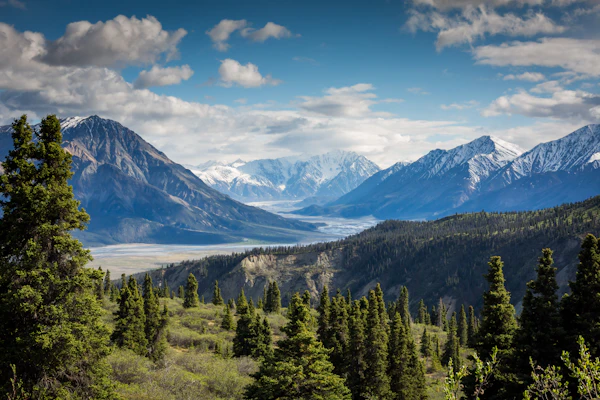
The iconic viewpoint offering a sweeping panorama of all five Panchachuli peaks. At sunrise and sunset, the peaks turn golden and crimson. Multiple vantage points exist around Munsiyari, with the KMVN rest house area being one of the best.
 Must Visit
Khaliya Top
Trek & Viewpoint8 km trek from Munsiyari
A stunning alpine meadow at 3,500m offering an unmatched 360-degree panorama of the Panchachuli range, Nanda Devi East, Nanda Kot, and dozens of Himalayan peaks. The trail passes through beautiful rhododendron forests that bloom red in spring.
 Must Visit
Birthi Falls
Waterfall35 km from Munsiyari
A dramatic 126-meter waterfall cascading through rocky terrain surrounded by dense forest on the Thal-Munsiyari road. Most spectacular during and after monsoon season. A short 15-minute walk from the road leads to the base of the falls.
 Must Visit
Tribal Heritage Museum
Museum2 km from Munsiyari
A remarkable private museum in Nansen village showcasing the rich Bhotiya (Shauka) tribal heritage. Houses traditional costumes, trade artifacts, historical photographs, and everyday objects from the Indo-Tibetan trade era. Personally guided by the founding family.
Maheshwari Kund
Sacred Lake8 km trek from Munsiyari
A sacred high-altitude lake at approximately 2,800m surrounded by dense rhododendron and oak forests. The lake holds deep religious significance for the local community. The trek passes through beautiful forest corridors, especially stunning in spring.
Thamri Kund
Alpine Lake10 km trek from Munsiyari
A serene alpine lake at approximately 3,000m elevation set in a peaceful meadow surrounded by pine forests. The trek is moderately challenging and offers gorgeous views of the surrounding valleys and peaks along the way.
Darkot Village
Heritage Village5 km from Munsiyari
A picturesque traditional village with stone-and-slate Kumaoni-Bhotiya architecture, terraced fields on steep slopes, and spectacular Panchachuli views. The last permanent settlement before the Johar Valley, offering a glimpse of authentic mountain life.
Madkot Hot Springs
Natural Hot Springs25 km from Munsiyari
Natural hot mineral water springs with temperatures of 40-50 degrees Celsius believed to have therapeutic properties. A bathing area has been built around the springs. A perfect stop on the way to or from Munsiyari for a rejuvenating soak.
Betulidhar
Viewpoint & Meadow3 km from Munsiyari
A beautiful open meadow on the outskirts of Munsiyari that offers one of the best views of the Panchachuli range. Popular for morning walks and photography sessions. During winter, this area receives snow making it a peaceful winterscape.
Sarmoli Village
Community Tourism Village3 km from Munsiyari
A model village for community-based ecotourism with women-run homestays, organic farming, and cultural activities. The village offers weaving demonstrations, cooking classes, and guided nature walks. A responsible tourism success story in the Kumaon Himalayas.
Munsiyari Weather & Best Time to Visit
Munsiyari experiences distinct seasons shaped by its altitude of 2,298 meters. Spring brings the legendary rhododendron bloom, summer is perfect for trekking, monsoon brings heavy rains and landslides, and winter wraps the town in snow. Understanding these patterns is essential for planning the trip that matches your interests.
| Month | Min Temp | Max Temp | Snowfall | Condition | Recommended |
|---|---|---|---|---|---|
| January | -5C | 8C | Moderate | Cold Winter - Snowfall Likely | No |
| February | -3C | 10C | Moderate | Winter - Snow on Peaks | No |
| March | 2C | 16C | Light | Early Spring - Rhododendron Bloom Begins | Yes |
| April | 6C | 20C | None | Peak Rhododendron Season - Stunning Colors | Yes |
| May | 10C | 24C | None | Pleasant Summer - Perfect for Treks | Yes |
| June | 13C | 25C | None | Summer Peak - Clear Himalayan Views | Yes |
| July | 15C | 22C | None | Monsoon - Heavy Rainfall | No |
| August | 14C | 21C | None | Monsoon - Landslide Risk | No |
| September | 10C | 21C | None | Post Monsoon - Skies Clearing | Yes |
| October | 6C | 18C | None | Autumn - Crystal Clear Views | Yes |
| November | 1C | 14C | Light | Early Winter - First Snowfall | Yes |
| December | -3C | 10C | Moderate | Winter Sets In - Cold & Beautiful | No |
Spring: March - April
The rhododendron bloom transforms hillsides into seas of red and pink. Snow still lingers on peaks, creating stunning contrasts. Temperature ranges from 2C to 20C. Best for photography and Khaliya Top trek.
Summer: May - June
Pleasant weather ideal for glacier treks (Milam, Ralam, Namik). Clear Himalayan views, green meadows, and comfortable temperatures of 10C to 25C. Peak trekking season.
Autumn: September - November
Crystal clear skies after the monsoon offer the best visibility of Panchachuli peaks. Temperature drops from 21C to 14C. Excellent for photography and short treks.
Monsoon: July - August
Heavy rainfall, frequent landslides, road blocks, and poor visibility. All glacier treks closed. Roads to Munsiyari often disrupted. Best avoided entirely.
How to Reach Munsiyari
Reaching Munsiyari requires patience and a love for mountain roads. It is one of the more remote destinations in Uttarakhand, but the journey through the Kumaon hills is scenic and rewarding. Most travelers reach via Kathgodam by train from Delhi, then drive through Almora and Bageshwar.
By Air
Airport: Pantnagar Airport (Naini Saini)
Distance: 275 km from Munsiyari
Duration: 9-10 hours by road
Airlines: IndiGo, Air India Regional
Tip: Very limited flights; Pantnagar has better connectivity. Pre-book taxi for onward journey.
By Train
Station: Kathgodam Railway Station
Distance: 265 km from Munsiyari
Duration: 9-10 hours by road
Trains: Ranikhet Express, Uttarakhand Sampark Kranti, Kathgodam Express
Tip: Kathgodam is the nearest major railhead; hire a taxi from station to Munsiyari
By Road - Route Options
From Delhi
560 km14-16 hoursRoute: Haldwani - Almora - Bageshwar - Thal - Munsiyari
From Kathgodam
265 km9-10 hoursRoute: Almora - Bageshwar - Thal - Birthi Falls - Munsiyari
From Almora
200 km7-8 hoursRoute: Bageshwar - Kapkot - Thal - Quiti - Munsiyari
From Pithoragarh
125 km5-6 hoursRoute: Thal - Birthi Falls - Munsiyari
Local Transport in Munsiyari
Shared Jeeps
Duration: Varies
Available for nearby villages and viewpoints
Private Taxi / Jeep
Duration: Varies
Best for sightseeing around Munsiyari; book locally
Where to Stay in Munsiyari
Accommodation in Munsiyari is simple and honest - this is not a luxury destination. What you get instead is genuine mountain hospitality. Government KMVN rest houses offer reliable basics, small hotels provide comfortable rooms with views, and village homestays deliver the most authentic experience. For glacier treks, camping equipment is arranged by trekking agencies.
Government (KMVN)
KMVN Tourist Rest House Munsiyari
GovernmentKMVN Darkot Tourist Rest House
GovernmentHotels & Guesthouses
Hotel Panchachuli View
Private HotelMilam Inn
GuesthouseHotel Bilju
Budget HotelHomestays & Eco Stays
Nanda Devi Homestay
HomestaySarmoli Village Homestays
Community HomestayDarkot Heritage Homestay
HomestayAccommodation Tips
- Book KMVN rest houses in advance during peak season (April-June) via kmvn.gov.in
- Sarmoli community homestays are the best for authentic cultural immersion
- Carry a sleeping bag in winter as blankets may not be sufficient in budget stays
- Electricity supply is unreliable - carry power banks and a headlamp
- Hot water availability can be limited; confirm with your accommodation
- For glacier treks, trekking agencies provide camping equipment and meals
Munsiyari Tour Packages 2026
From quick weekend retreats to multi-day glacier expeditions, our Munsiyari packages are designed for every type of traveler. All packages include local expertise, authentic experiences, and the careful planning needed for this remote Himalayan destination.
 Bestseller
Munsiyari Explorer
Accommodation | Meals | Transport from Kathgodam | Guide | Permits
 Adventure
Milam Glacier Expedition
Camping Equipment | All Meals | Guide & Porters | Permits | Transport
Quick TripMunsiyari Weekend Retreat
Homestay | Breakfast & Dinner | Local Transport | Guided Walks
PopularKhaliya Top & Birthi Falls
Accommodation | All Meals | Trek Guide | Camping Gear | Transport
UniqueMunsiyari Cultural Immersion
Community Homestays | All Meals | Cultural Activities | Village Walks | Transport
Munsiyari Photo Gallery
Panchachuli Peaks at SunriseKhaliya Top Panorama Birthi Falls
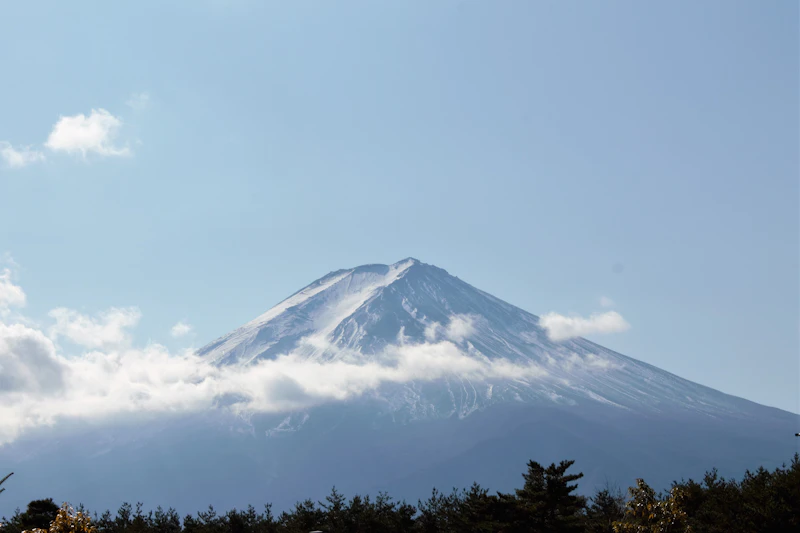 Traditional Village LifeRhododendron ForestsMilam Glacier Trail
Frequently Asked Questions
The best time to visit Munsiyari is from March to June and September to November. March-April is spectacular for the rhododendron bloom that covers the hillsides in red and pink. May-June offers pleasant weather ideal for trekking to Khaliya Top and glacier expeditions. September-November brings crystal-clear views of the Panchachuli peaks after the monsoon. Winters (December-February) bring snowfall and roads can be difficult, but the snow-draped landscape is magical for those who brave the cold.
Munsiyari is approximately 560 km from Delhi, requiring 14-16 hours by road. The most common route is Delhi - Haldwani - Almora - Bageshwar - Thal - Munsiyari. You can take an overnight bus or train to Kathgodam (265 km from Munsiyari) and then hire a taxi for the remaining journey (9-10 hours). The nearest airport is Pantnagar (275 km). Many travelers break the journey at Almora or Bageshwar for an overnight stay. The road from Thal to Munsiyari is scenic but winding, so plan accordingly.
Panchachuli is a group of five Himalayan peaks ranging from 6,312m to 6,904m in the Kumaon region. The name translates to "five cooking hearths" (panch = five, chuli = cooking stove), referring to the legend that the five Pandava brothers from the Mahabharata cooked their last meal here before ascending to heaven. The five peaks lined up against the sky resemble five hearths with smoke (clouds) rising from them. Munsiyari offers the most dramatic frontal view of the entire Panchachuli massif, making it a photographer's paradise.
Yes, Khaliya Top is one of the best beginner-friendly treks in Uttarakhand. The 8 km trail from Munsiyari is well-marked and can be completed in one day as a round trip or as a comfortable overnight camping trek. The gradient is gentle through rhododendron and oak forests. The summit at 3,500m offers a breathtaking 360-degree view of the Panchachuli range. No technical climbing skills are required. That said, basic fitness is needed for the altitude, and acclimatization in Munsiyari for a day before trekking is recommended.
The Milam Glacier trek is rated challenging and takes 8-10 days round trip from Munsiyari. The total distance is approximately 116 km (58 km one way). The trail follows the ancient Indo-Tibetan trade route through the Johar Valley, passing through villages like Lilam, Rilkot, Burfu, and Martoli. Maximum altitude reached is about 3,450m at the glacier. You need a good fitness level and prior trekking experience. Inner Line Permit is required as the area is close to the Indo-China border. Best attempted in May-June or September-October.
Yes, permits are required for most glacier treks near Munsiyari as they fall in a restricted zone near the Indo-China border. The Milam Glacier trek requires an Inner Line Permit (ILP) issued by the District Magistrate of Pithoragarh or the SDM office in Munsiyari. Carry passport-size photographs and valid ID proof. The Khaliya Top trek does not require any special permit. For Ralam and Namik glaciers, check current permit requirements as they change periodically. It is advisable to arrange permits through a registered trekking agency.
Birthi Falls is a spectacular 126-meter waterfall located about 35 km before Munsiyari on the Thal-Munsiyari road near Birthi village. The waterfall cascades dramatically from a height through rocky terrain surrounded by dense forest. It is most impressive during and just after the monsoon (July-September) when the water volume is at its peak. You can see it from the road itself, and a short 15-minute walk leads to the base. There is a small parking area and a few tea stalls near the viewpoint. It is a mandatory stop on the drive to Munsiyari.
The Tribal Heritage Museum, located in Nansen village about 2 km from Munsiyari market, was established by Dr. S.S. Pangti to preserve the dying cultural heritage of the Bhotiya (Shauka) tribe. The museum houses traditional costumes, jewelry, household items, agricultural implements, weapons, and artifacts from the old Indo-Tibetan trade days. Historical photographs document the nomadic trading lifestyle that defined the Johar Valley. Entry is free (donations welcome), and Dr. Pangti or family members often personally guide visitors through the collection. It is a small but deeply informative museum.
The Bhotiya (also called Shauka) people are an Indo-Tibetan community who inhabited the high valleys of Kumaon, particularly the Johar Valley accessible from Munsiyari. For centuries, they were transhumant traders, spending summers in high-altitude villages like Milam, Martoli, and Rilkot while trading across the Himalayan passes with Tibet. They exchanged Indian grain, sugar, and cloth for Tibetan salt, wool, and borax. After the 1962 Sino-Indian War sealed the border, this centuries-old trade ended abruptly, forcing the community to abandon their summer villages and settle in lower areas including Munsiyari.
Mobile connectivity in Munsiyari is limited. BSNL has the most reliable network and is often the only carrier with signal. Jio works intermittently in the main market area. Airtel and Vodafone-Idea have very poor to no coverage. Some hotels offer Wi-Fi but speeds are slow and unreliable. There is NO mobile network beyond Munsiyari on the glacier trek routes. It is strongly advisable to carry a BSNL SIM card and inform family about limited connectivity. Download offline maps before arriving. There is one ATM (SBI) in Munsiyari, but carry sufficient cash as it is often non-functional.
Essential packing for Munsiyari: Clothing - layered warm clothing including thermal innerwear, fleece jacket, waterproof outer shell, warm pants, woolen socks (4-5 pairs), gloves, woolen cap, scarf, and UV-protected sunglasses. Footwear - sturdy waterproof trekking shoes and comfortable indoor slippers. Accessories - sunscreen SPF 50+, lip balm, moisturizer (the air is very dry), head torch, power bank (electricity can be unreliable), water bottle, and basic first aid kit. For treks - trekking poles, daypack, rain poncho. Medicines for altitude sickness (consult doctor), cold, and personal medications.
Maheshwari Kund is a sacred high-altitude lake located about 8 km from Munsiyari at approximately 2,800m. The lake is surrounded by dense rhododendron and oak forests and holds religious significance for locals who believe it is the abode of a deity. Thamri Kund is another beautiful alpine lake about 10 km from Munsiyari at around 3,000m elevation, set in a serene meadow surrounded by pine forests. Both lakes are accessible via moderate treks through beautiful forest trails and offer peaceful natural settings. The treks to these lakes pass through stunning rhododendron corridors that bloom spectacularly in spring.
Visiting Munsiyari during the monsoon season (July-September) is generally not recommended. The region receives very heavy rainfall, causing frequent landslides and road blocks on the already challenging mountain roads. The drive from Thal to Munsiyari becomes particularly risky. Cloud cover obscures the Panchachuli views most of the time. All glacier treks are closed due to dangerous trail conditions. However, if you do visit, the waterfalls including Birthi Falls are at their most spectacular, the landscape is impossibly green, and you will have the place almost entirely to yourself.
The road to Munsiyari is a mix of conditions. The National Highway from Delhi to Haldwani is excellent. From Haldwani to Almora, the road is good but winding. From Almora to Thal via Bageshwar, the road is decent with some stretches under repair. The most challenging section is from Thal to Munsiyari (90 km), which is a narrow mountain road with sharp hairpin bends, steep drops, and stretches that can be rough. This section takes 3-4 hours. During monsoon, landslides can block the road for hours or days. A sturdy vehicle (SUV or Jeep) is recommended, and driving at night should be avoided.
Darkot is a small, picturesque village located about 5 km from Munsiyari on the road towards Madkot. It is considered the last permanent settlement before the Johar Valley begins. The village showcases beautiful traditional Kumaoni-Bhotiya architecture with stone houses and slate roofs. Terraced fields cling to steep hillsides. The views of the Panchachuli range from Darkot are among the best in the area. It is a wonderful place for a half-day walk, offering insight into traditional mountain agriculture and village life. The locals are warm and welcoming, and you can sometimes purchase handwoven Bhotiya textiles directly.
Yes, there are natural hot springs at Madkot, located about 25 km from Munsiyari on the road towards Thal. The Madkot hot springs are believed to have therapeutic properties, particularly for skin conditions and joint pain. The water temperature ranges from 40-50 degrees Celsius. A small bathing area has been constructed around the springs. Many travelers stop here on their way to or from Munsiyari for a relaxing soak. There is a KMVN rest house near the hot springs. The combination of hot mineral water with cold mountain air is a refreshing experience.
The rhododendron bloom around Munsiyari, particularly in March and April, is one of the most spectacular natural displays in the Indian Himalayas. The forests between 2,500m and 3,500m altitude come alive with enormous blooms of deep crimson red, bright pink, and occasionally white rhododendron flowers. The Khaliya Top trek trail is particularly famous for this display. What makes Munsiyari special is the combination of vast rhododendron forests with the snow-capped Panchachuli peaks as backdrop - a contrast of red flowers against white mountains that is almost surreal. Locals also make rhododendron juice (buransh ka sharbat), a refreshing traditional drink.
Munsiyari is generally very safe for solo travelers and women. The local Kumaoni and Bhotiya communities are known for their warmth and hospitality. Petty crime is rare. However, practical precautions apply: inform your accommodation about your trekking plans, do not trek alone on glacier routes (always hire a guide), carry a fully charged phone with BSNL SIM, and avoid traveling on mountain roads after dark. Women should feel comfortable traveling here, and community homestays in villages like Sarmoli are especially welcoming. It is always wise to share your itinerary with someone at home given the remote location and limited connectivity.
The name Munsiyari comes from "Munsi-Yari" which translates to "a place with snow" in the local dialect (munsi = snow/ice-like, yari = place). This perfectly describes the town which sits at 2,298 meters with the perpetually snow-covered Panchachuli peaks as its dramatic backdrop. Another interpretation links it to "manasiyari" meaning "a place that captivates the mind (manas)." Both meanings are fitting for this remote Himalayan settlement that combines snow-draped landscapes with soul-stirring mountain vistas.