
Introduction to Valley of Flowers
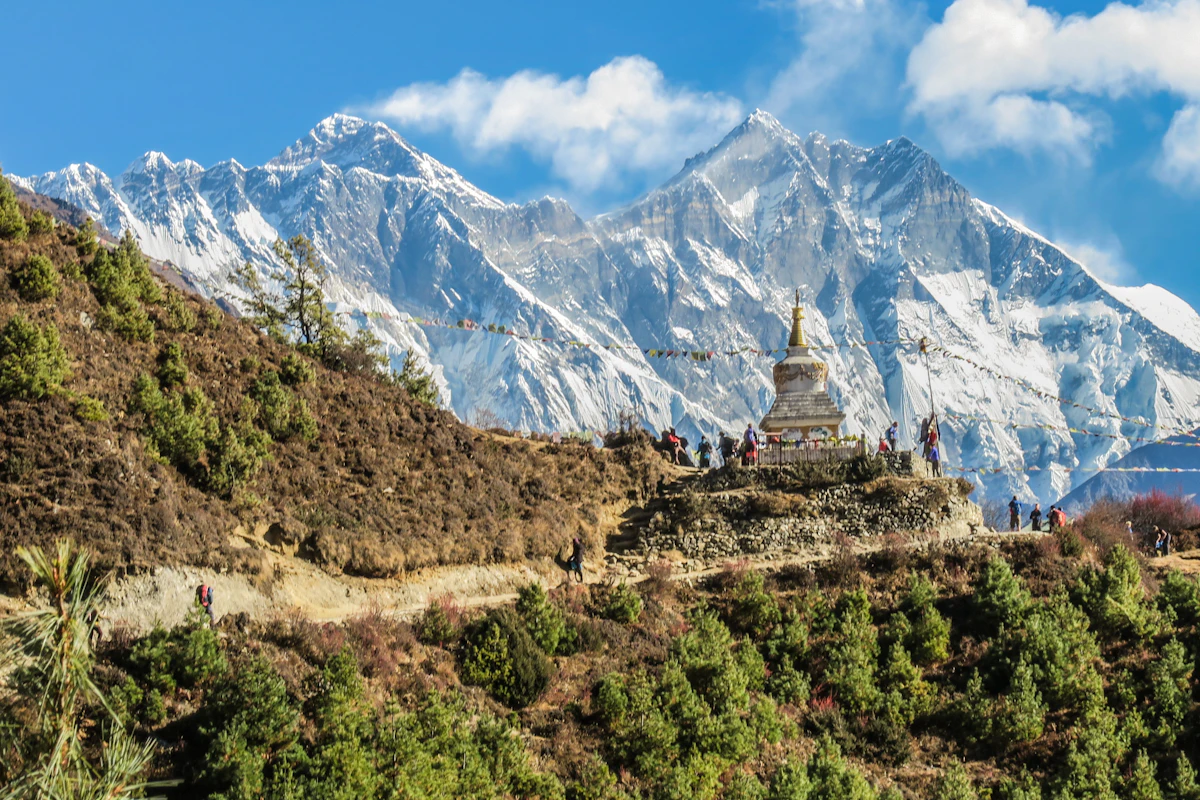
The Valley of Flowers National Park, nestled in the Western Himalayas of Uttarakhand, is one of India's most enchanting natural wonders. This UNESCO World Heritage Site transforms into a vibrant carpet of alpine flowers during the monsoon season, creating a spectacle that has captivated botanists, photographers, and nature lovers for decades.
Located at an altitude of 3,352 to 3,658 meters in the Chamoli district, this glacial valley spans approximately 87.50 square kilometers of pristine wilderness. The valley was discovered by British mountaineer Frank S. Smythe in 1931 during his return from a successful Kamet expedition.
Why Visit Valley of Flowers in 2026
A Botanical Paradise
The valley is home to over 600 species of flowering plants, many of which are rare, endangered, and endemic to this region. Some notable species include:
- Brahma Kamal (Saussurea obvallata) - The sacred lotus of the Himalayas
- Blue Poppy (Meconopsis aculeata) - A rare Himalayan treasure
- Cobra Lily (Arisaema speciosum) - Unique hooded flower
- Himalayan Bellflower - Delicate purple blooms
- Potentilla - Golden yellow carpets
- Primula - Various colored primroses
- Geranium - Wild mountain geraniums
- Orchids - Multiple rare species
UNESCO World Heritage Status
Inscribed as a UNESCO World Heritage Site in 2005 (as part of Nanda Devi Biosphere Reserve), the valley represents outstanding examples of the influence of the Quaternary Ice Age on mountain flora and fauna.
Best Time to Visit Valley of Flowers
Peak Blooming Season (July to September)
July (Early Season)
- Valley opens around July 1st after snow melts
- Early bloomers like Primula and Anemone
- Fewer crowds, some trails may be muddy
- Green landscapes emerging from winter
August (Peak Bloom)
- Maximum variety of flowers in bloom
- Brahma Kamal blooms during this period
- Best photography opportunities
- Moderate crowds, pleasant weather
September (Late Season)
- Different flower species bloom
- Blue Poppy season begins
- Clearer skies, less rainfall
- Valley closes by end of September
Weather Conditions
| Month | Temperature | Rainfall | Recommended |
|---|---|---|---|
| July | 10-17°C | High | Yes |
| August | 10-17°C | Moderate | Best |
| September | 7-15°C | Low | Yes |
How to Reach Valley of Flowers
Route Overview
Delhi → Haridwar → Joshimath → Govindghat → Ghangaria → Valley of Flowers
Detailed Transportation
By Air:
- Nearest Airport: Jolly Grant Airport, Dehradun (295 km from Govindghat)
- Taxi from Dehradun to Govindghat: ₹5,000-7,000
By Train:
- Nearest Railway Station: Haridwar (275 km) or Rishikesh (265 km)
- Regular trains from Delhi, Mumbai, Kolkata
By Road:
- Delhi to Govindghat: 525 km (12-14 hours)
- Route: Delhi → Haridwar → Rishikesh → Devprayag → Rudraprayag → Chamoli → Joshimath → Govindghat
Trek Route
Day 1: Govindghat to Ghangaria (14 km)
- Starting point: Govindghat (1,800 m)
- End point: Ghangaria (3,050 m)
- Duration: 6-8 hours
- Difficulty: Moderate
- Helicopter option available (₹3,500-4,500 one way)
Day 2: Ghangaria to Valley of Flowers and back (8 km round trip)
- Trek from Ghangaria to Valley: 4 km
- Time in valley: 4-5 hours for exploration
- Return to Ghangaria before 5 PM (mandatory)
Permits and Entry Requirements
Required Permits
- Entry Permit - ₹150 per person per day (Indians), ₹600 (Foreigners)
- Camera Fee - ₹50 for still camera
- Video Camera - ₹500
Where to Get Permits
- Forest Check Post at Ghangaria
- Online booking available through Uttarakhand Forest Department
- Carry valid ID proof (Aadhar Card/Passport)
Important Rules
- No camping inside the valley
- No plucking flowers or plants
- No littering - carry back all waste
- Entry only between 7 AM to 2 PM
- Must exit valley by 5 PM
- Professional photography requires special permission
Trekking Itinerary
Recommended 4-Day Itinerary
Day 1: Arrival at Govindghat
- Arrive at Govindghat by evening
- Rest and acclimatize
- Prepare for next day's trek
- Stay: Guesthouses at Govindghat
Day 2: Govindghat to Ghangaria
- Start early (6-7 AM)
- Trek 14 km with gradual ascent
- Cross beautiful bridges and waterfalls
- Reach Ghangaria by afternoon
- Stay: GMVN guesthouse or private lodges
Day 3: Valley of Flowers Exploration
- Start by 7 AM after breakfast
- 4 km trek to valley entrance
- Spend 4-5 hours exploring the valley
- Photography and nature walks
- Return to Ghangaria by 5 PM
- Optional: Visit Hemkund Sahib next morning
Day 4: Ghangaria to Govindghat
- Descend 14 km to Govindghat
- Easier descent (4-5 hours)
- Depart for onward journey
Extended 6-Day Itinerary (Recommended)
Add visits to:
- Hemkund Sahib (6 km from Ghangaria) - Sacred Sikh pilgrimage site at 4,329 m
- Badrinath Temple (25 km from Govindghat) - One of the Char Dhams
- Mana Village - Last Indian village before Tibet border
What to Pack
Essential Gear
Clothing:
- Waterproof jacket and pants (essential)
- Multiple layers - thermals, fleece, down jacket
- Trekking pants (quick-dry)
- Waterproof trekking shoes with good grip
- Gaiters for muddy trails
- Warm cap and gloves
- Sunglasses (UV protection)
Equipment:
- 40-50L backpack with rain cover
- Trekking poles (highly recommended)
- Headlamp with extra batteries
- Water bottles (2L minimum)
- First aid kit
- Sunscreen (SPF 50+)
Photography:
- Camera with rain protection
- Extra batteries (cold drains them faster)
- Macro lens for flower photography
- Tripod for landscape shots
Medicines
- Altitude sickness medication (Diamox - consult doctor)
- Pain relievers
- Anti-diarrheal medication
- Band-aids and antiseptic
- Personal medications
Accommodation Options
At Ghangaria
- GMVN Tourist Rest House
- Private Guesthouses
- Gurudwara Gobind Dham
At Govindghat
- Multiple hotels and guesthouses
- ₹800-2,000 per room
- Better amenities than Ghangaria
Food and Dining
What's Available
- Simple North Indian vegetarian food
- Maggi, parathas, dal-rice
- Tea and snacks throughout the route
- Packed meals available for valley visit
Tips
- Carry energy bars and dry fruits
- Stay hydrated - drink plenty of water
- Avoid heavy meals before trekking
- Hot soup available at tea stalls
Photography Tips
Best Spots in the Valley
- Valley Entrance - Panoramic views of the entire valley
- Pushpawati River Crossing - Flowers with water backdrop
- Central Meadows - Vast carpets of mixed flowers
- Near Waterfalls - Dramatic flower-waterfall combinations
- Higher Ridges - Blue Poppy habitat
Camera Settings
- Landscape: f/8-f/11, ISO 100, tripod recommended
- Macro: f/4-f/5.6, fast shutter for wind
- Wildlife: f/5.6, fast shutter, higher ISO
Golden Hours
- Early morning (7-9 AM): Soft light, dew on flowers
- Late afternoon (3-5 PM): Warm golden light
Fitness and Preparation
Physical Requirements
- Moderate fitness level required
- Ability to walk 14 km with 1,200 m elevation gain
- Practice with day hikes before the trek
- Cardio exercises recommended (1-2 months prior)
Altitude Acclimatization
- Spend a night at Govindghat before trekking
- Stay hydrated and avoid alcohol
- Ascend slowly - "climb high, sleep low"
- Watch for altitude sickness symptoms:
Flora and Fauna
Rare Plant Species
The valley hosts several endangered and rare species:
- Aconitum (Monkshood) - Medicinal value
- Dactylorhiza hatagirea (Salep Orchid) - Endangered
- Podophyllum hexandrum - Himalayan May Apple
- Taxus wallichiana - Himalayan Yew
Wildlife
While the valley is primarily known for flowers, you may spot:
- Himalayan Black Bear
- Snow Leopard (rare)
- Musk Deer
- Serow
- Various Himalayan birds
Nearby Attractions
Hemkund Sahib (6 km from Ghangaria)
- One of the highest Gurudwaras in the world (4,329 m)
- Sacred to Sikhs - where Guru Gobind Singh meditated
- Stunning glacial lake
- More challenging trek than Valley of Flowers
Badrinath Temple (25 km from Govindghat)
- One of the Char Dhams
- Ancient Vishnu temple
- Hot springs (Tapt Kund)
- Open May to November
Mana Village
- Last village on the Indo-Tibetan border
- Vyasa Cave where Mahabharata was written
- Bhim Pul - natural rock bridge
- Local Bhotia culture
Budget Planning
Estimated Costs (Per Person, 4 Days)
| Item | Budget (₹) | Mid-Range (₹) | Comfort (₹) |
|---|---|---|---|
| Transport (Delhi-Govindghat-Delhi) | 2,000 | 3,500 | 6,000 |
| Accommodation (3 nights) | 1,500 | 3,000 | 5,000 |
| Food | 1,500 | 2,500 | 4,000 |
| Permits & Entry | 500 | 500 | 500 |
| Porter/Guide | 0 | 2,000 | 3,500 |
| Miscellaneous | 500 | 1,000 | 2,000 |
| Total | 6,000 | 12,500 | 21,000 |
Money Tips
- Carry cash - no ATMs at Ghangaria
- Last ATM at Joshimath
- UPI payments accepted at some places in Ghangaria
Safety Tips
Do's
- Start early in the morning
- Carry rain gear always
- Stay on marked trails
- Register at checkpoints
- Inform someone about your plans
- Carry a basic first aid kit
Don'ts
- Don't trek alone
- Don't go off-trail
- Don't ignore weather warnings
- Don't litter
- Don't pluck any plants or flowers
- Don't feed wild animals
Best Tour Operators
Recommended Options
- Trek with Travel My Bharat
- GMVN (Government)
Frequently Asked Questions
Q: Is Valley of Flowers open throughout the year? A: No, it's only open from June to October, with peak bloom in July-August.
Q: Can beginners do this trek? A: Yes, with moderate fitness. The trek is not technical but requires stamina.
Q: Is there mobile network in Valley of Flowers? A: Limited BSNL network at Ghangaria. No network inside the valley.
Q: Can I camp inside the valley? A: No, camping inside the valley is strictly prohibited.
Q: How many days are enough? A: Minimum 4 days recommended. 5-6 days ideal for including Hemkund Sahib.
Q: Is it safe for solo female travelers? A: Yes, it's generally safe. Many solo travelers and groups visit during season.
Conclusion
The Valley of Flowers is truly one of India's most magical destinations - a place where nature puts on its most spectacular show. The trek offers not just stunning floral displays but also a journey through pristine Himalayan landscapes, charming villages, and spiritual sites.
Whether you're a botanist, photographer, trekker, or simply a nature lover, the Valley of Flowers promises an unforgettable experience. Plan your 2026 visit during the peak monsoon months to witness this UNESCO World Heritage Site at its blooming best.
---
Ready to experience the Valley of Flowers? Contact Travel My Bharat for customized trekking packages with experienced guides and all arrangements.
Travel My Bharat - Your Trusted Travel Partner
- Phone: +91-977-976-6740
- Website: travelmybharat.com
- Email: booking@travelmybharat.com
*Plan your dream trek today and discover the floral paradise of Uttarakhand!*
Ready for Adventure?
Book treks, safaris & thrilling experiences
🔒 Your information is secure and will never be shared
"Amazing Char Dham Yatra experience! The team took care of everything from start to finish. Highly recommended for pilgrimage tours."
Rajesh Kumar
Delhi • Char Dham Yatra
Comments
Share your thoughts or travel experience
Be the first to comment on this article!